
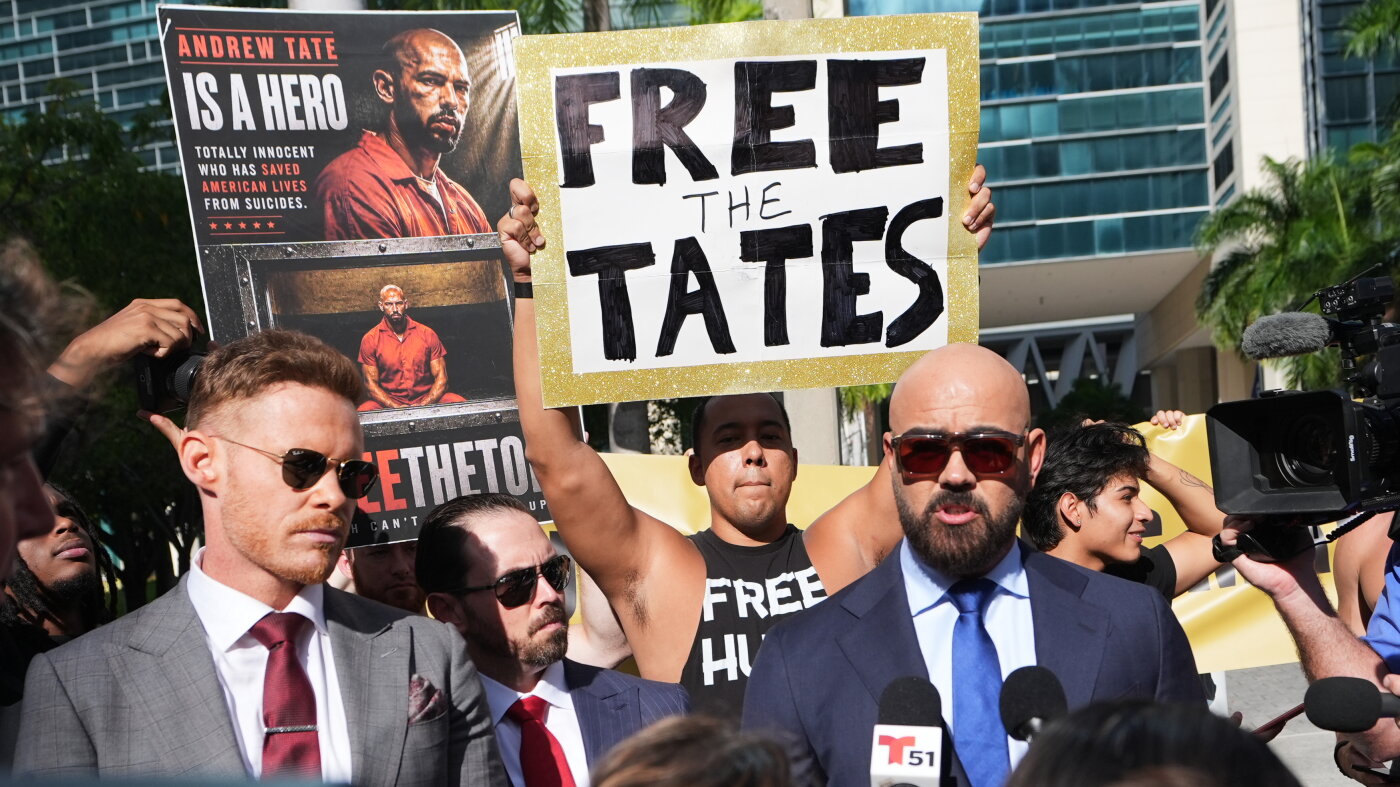
Andrew and Tristan Tate’s Fight Against Extradition Intensifies in Miami
A Miami federal judge has ruled against granting bail to Andrew and Tristan Tate, keeping them detained in Miami as they contest extradition to the U.K. The brothers face numerous charges, including rape and human trafficking, which they firmly deny.
Judge Lauren F. Louis decided that the Tate brothers present a significant flight risk and pose potential danger, aligning with the prosecutors’ arguments following an extensive hearing on August 27. Despite the brothers’ claims of cooperation with Romanian authorities in similar cases, the court found they did not meet the “special circumstances” required for bail in international extradition cases.
The charges against the Tates in the U.K. cover activities from 2010 to 2017. During this period, Andrew Tate transitioned from a webcam business to becoming a social media influencer. Their attorney, Joe McBride, maintains their innocence, stating after a prior hearing, “We are, of course, objecting to extradition because Andrew and Tristan are innocent.”
Despite the defense’s assurances of no flight risk, citing the brothers’ voluntary returns to Romania, Judge Louis highlighted the lack of “special circumstances” justifying bail, emphasizing the risk of flight due to their wealth and access to various travel means.
Legal Implications and Defense Strategies
Prosecutors argue that the Tate brothers’ online personas, where they claim to have multiple passports and driver’s licenses, further underscore the flight risk. The defense rebuts these claims as exaggerated for entertainment and offered potential monitoring and passport surrender as conditions for their release.
Legal experts had predicted the difficulty of obtaining bail in such extradition cases, where the fear of the individuals fleeing jurisdiction is a common concern. Shaul Brazil, a partner at BCL Solicitors, noted this challenge, suggesting the potential for prolonged legal proceedings.
Political Connections and Next Steps
The Tates’ case has attracted attention due to their associations with influential U.S. political figures, including those linked to the Trump administration. However, the White House has stated it will not intervene in the extradition process.
As the U.K. prepares to submit a formal extradition request by September 16, the Miami court will assess whether the U.S.-U.K. treaty applies and if there’s probable cause for extradition. Should the court certify the extradition, the Tates can pursue judicial reviews and possibly escalate appeals to the Supreme Court, potentially extending the process significantly.
The final decision will involve the State Department, where the Tates might request the Secretary of State to refuse extradition, should all legal avenues be exhausted.
This article was originally written by www.npr.org




Comments are closed.