Amazon Cargo Plane Tragedy: Investigation Uncovers Critical Flight Data and Concerns
An Amazon cargo plane careening off a Miami runway has left investigators piecing together the sequence of events that led to a tragic accident. As authorities delve into flight data and cockpit voice recordings, questions regarding pilot coordination and decision-making are at the forefront.
The National Transportation Safety Board (NTSB) released flight information revealing that one pilot continuously warned about the plane’s excessive speed during landing. Despite these warnings, the co-pilot did not provide any consistent response, culminating in the aircraft’s collision with a van, resulting in five fatalities.
The accident occurred as the Amazon cargo jet raced approximately 1,300 feet beyond the runway, crashing into a van that was transporting workers from a plane cleaning company. The impact also involved an SUV, after which the plane caught fire. The unfortunate loss of life included all five van occupants, with others injured, two critically. Fortunately, the two pilots survived and have since been interviewed by investigators.
Pilots Had Opportunities to Avoid the Crash
Former FAA official Mike O’Donnell pointed out that the crew had several options to decelerate the aircraft, such as deploying spoilers and cutting throttles. Alternatively, they could have aborted the landing to attempt a fresh approach. “You have plenty of time to slow down, plenty of time to say, let’s just do a go-around at two minutes out,” O’Donnell explained.
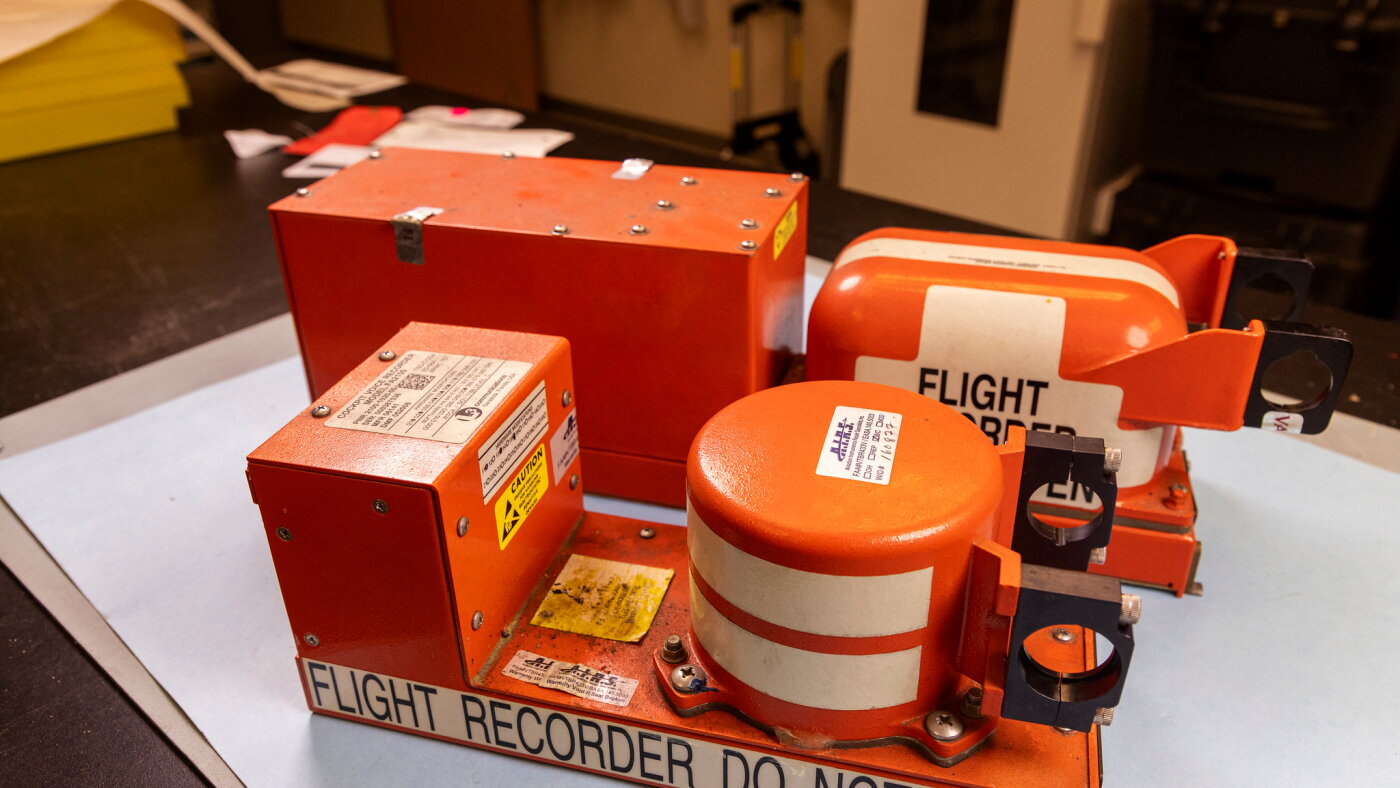
Data from the flight recorder indicated turbulence during the landing due to strong winds. The pilots briefly attempted to abort the landing and take off again but abandoned this plan within seconds. Automated cockpit warnings about descent speed and terrain further highlighted the instability of the plane’s configuration.
Challenges in Pilot Cooperation
Safety experts have raised concerns over the apparent lack of teamwork in the cockpit. Steve Arroyo, a former airline pilot, noted the absence of coordination and leadership in managing the flight deck. This lack of communication may have prevented the crew from addressing the excessive speed warnings effectively.
Mary Schiavo, a former Inspector General of the Transportation Department, questioned if the pilot at the controls was more senior and thus less receptive to warnings from the junior co-pilot. She suggested that the junior pilot might not have been assertive enough in challenging the senior pilot’s decisions.
Comprehensive Investigation Underway
Built in 1994 as a passenger plane, the Boeing 767 was converted to a cargo carrier in 2015 and operated by 21 Air for Amazon since 2024. Investigators are scrutinizing various factors, including the jet’s history, weather conditions, and the maintenance and operational practices of 21 Air.
Alarmingly, this incident marks the second cargo jet crash in the U.S. within a year. Last October, a UPS plane crashed during takeoff in Louisville, resulting in 15 fatalities and injuring 23 others. The NTSB continues to investigate the Miami crash to prevent future tragedies.
This article was originally written by www.npr.org