Concerns Mount Over CDC’s Handling of Health Data Amid Measles Resurgence
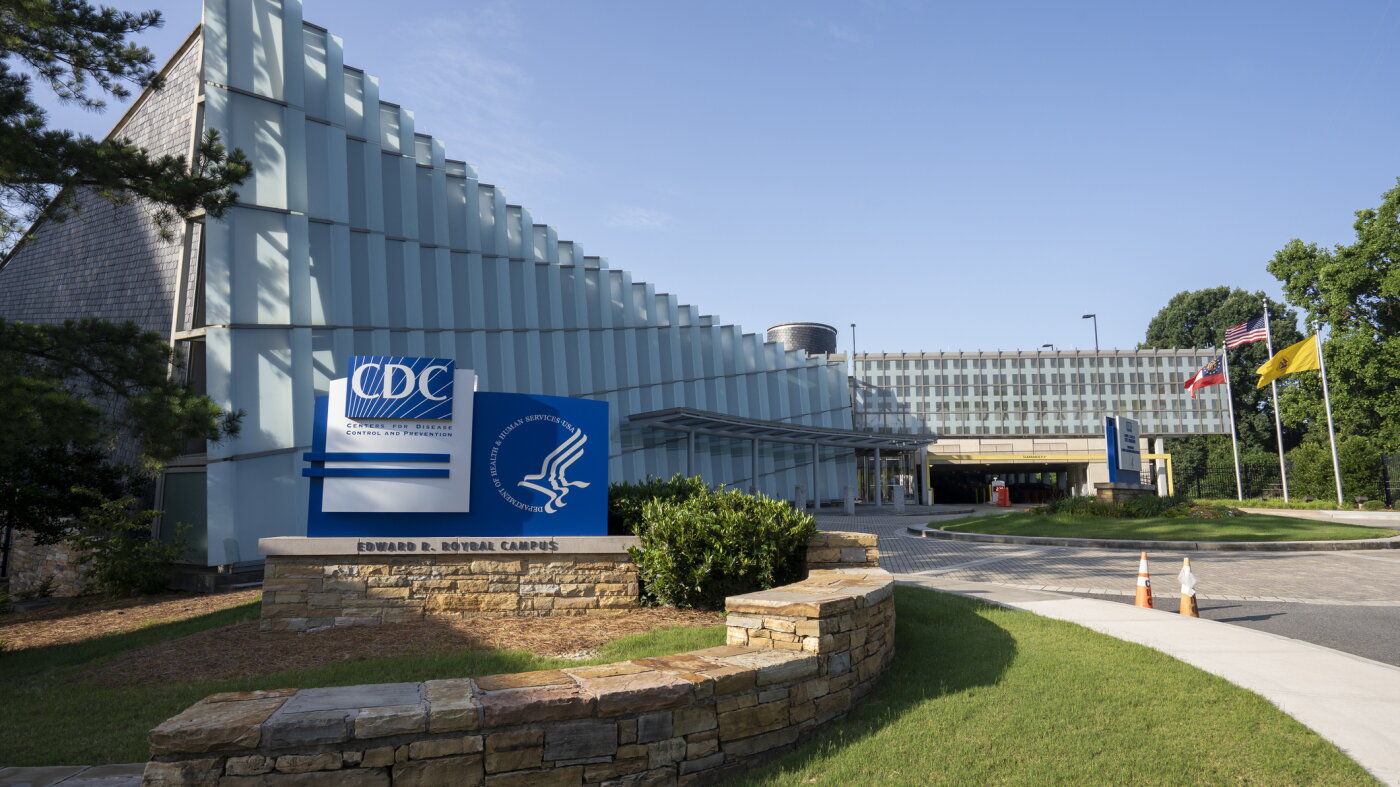
As the United States grapples with a troubling resurgence of measles, coupled with declining vaccination rates, concerns are growing over the Centers for Disease Control and Prevention’s (CDC) handling of health information. The agency, which plays a crucial role in public health, is facing scrutiny for its response to two recent measles-related deaths in Pennsylvania.
“Red flag. Red alert,” warned Dr. Demetre Daskalakis, who stepped down from his role as director of the National Center for Immunization and Respiratory Diseases at the CDC last year. His resignation was a protest against what he described as political interference within the agency.
Dr. Daskalakis, along with other public health experts, is concerned about the CDC’s decision to remove the Pennsylvania measles deaths from its website. This action came after Health and Human Services Secretary Robert F. Kennedy Jr. openly questioned the state’s determination of the deaths, a move seen as unprecedented.
“When they raise doubt on the adjudication that a state may have made around a death, that is highly problematic,” Daskalakis stated. “This is dangerous.”
Ordinarily, when a measles-related death occurs, the state reports the cause of death to the CDC, which then disseminates the information to the public and health professionals. The CDC typically relies on the state’s findings, but Kennedy’s public disagreement with the state raises concerns about the collaboration between state and federal health authorities.
Dr. Anne Zink, a senior fellow at the Yale School of Public Health, expressed her worries about the potential breakdown in trust between states and the federal government. “What we have been seeing, that got amplified even more with these measles cases, is a breakdown in the coordination and trust between states and the federal government,” she said. “These partnerships are critical and essential to making us healthy and well.”
There is also apprehension about the reliability of federal health data on measles, flu, COVID-19, and RSV. The fear is that political pressures could lead to the suppression of vital health information, impacting public awareness and response.
Dr. Georges Benjamin, head of the American Public Health Association, emphasized the need for trustworthy national health data. He cautioned, “If it happens with flu and with COVID, the question is: Who can we rely on for the data on a national level. More people will get sick and more people [will die] because they won’t know what to do. They won’t know who to trust. And that is the problem here.”
These issues arise at a challenging time for the CDC, now under the leadership of Dr. Erica Schwartz. Many had hoped Schwartz would restore the agency’s credibility, but the handling of the Pennsylvania measles cases has cast doubt on her ability to counter political influence.
Dr. Debra Houry, who also resigned from the CDC alongside Daskalakis, criticized Schwartz’s focus. “What the director should be doing instead of looking into these disease counts is responding to the outbreak itself,” she argued. “I haven’t heard from her talking about the importance of getting kindergarteners vaccinated when we’re seeing declining rates. It’s back to school time around the United States. We need her to step up publicly to talk about what can be done.”
Despite repeated requests for comment, neither the CDC nor the Department of Health and Human Services has responded.
This article was originally written by www.npr.org