
Unlocking History: The Quest to Determine Thomas Jefferson’s Lineage
A question that has persisted for over two centuries about Thomas Jefferson, the third president of the United States, is whether he fathered children with Sally Hemings, a woman 30 years younger whom he enslaved. This inquiry touches upon profound themes of race, power, and Jefferson’s complex legacy.
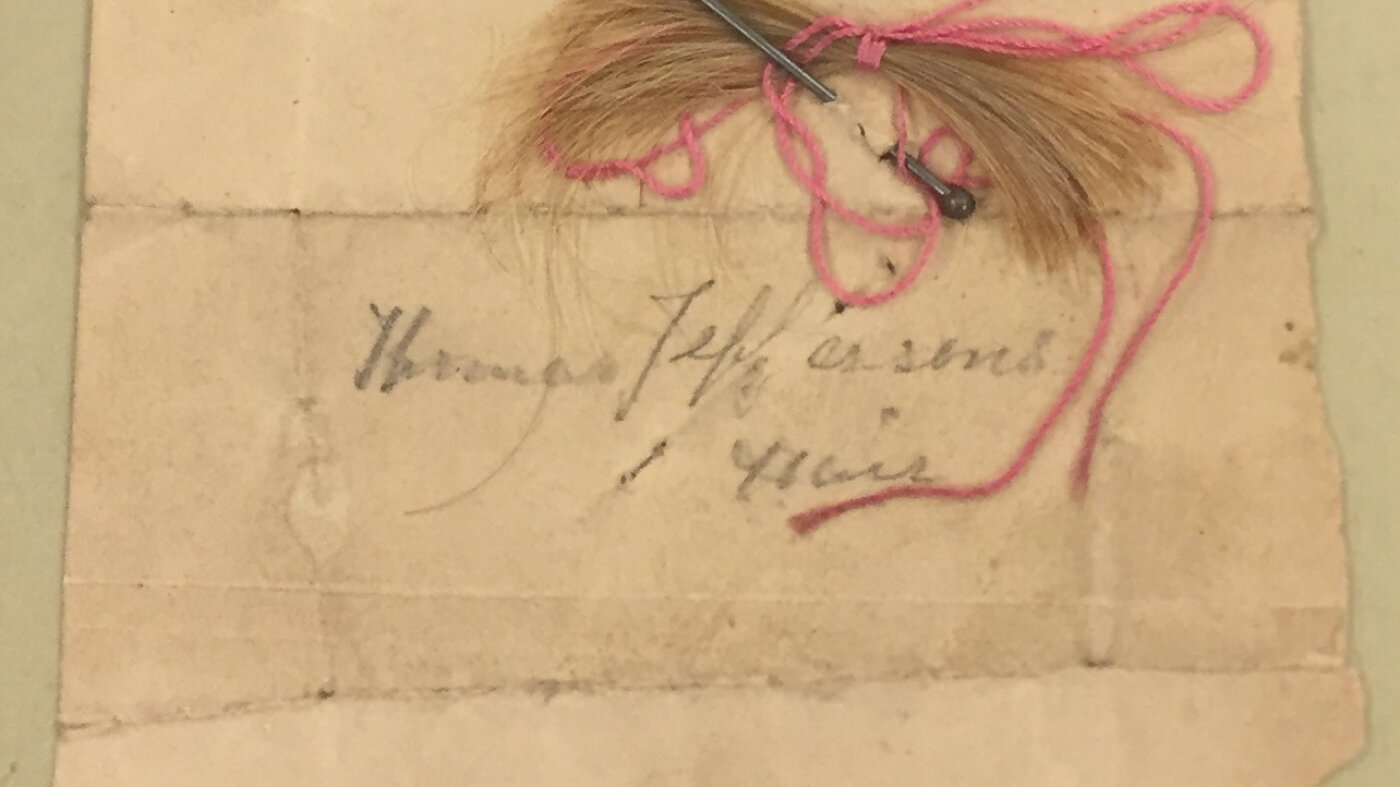
The mystery of Jefferson’s paternity has long intrigued historians and biographers. Richard Kurin, a distinguished scholar at the Smithsonian Institution, embarked on a 15-year journey to uncover the truth using Jefferson’s DNA. The exploration began with hair strands believed to be Jefferson’s, found in his personal Bible. Kurin’s findings and the scientific process behind the investigation are detailed in his latest book, History by a Hair.
Unraveling the DNA
In the late 1990s, pathologist Eugene Foster analyzed Y chromosome markers from Jefferson’s descendants and a descendant of Eston Hemings, Sally Hemings’ youngest son. Foster’s findings suggested a connection, but skeptics noted that the results could apply to any male in the Jefferson family. Kurin’s team, including experts like Beth Shapiro and Richard “Ed” Green from the University of California, Santa Cruz, sought more definitive evidence without passing moral judgments on Jefferson.
A New Discovery
Five years into the research, the team discovered that the initial hair strands did not belong to Jefferson. However, another packet of hair at Monticello, labeled as cut on the day of Jefferson’s death, provided a breakthrough. This lock of hair yielded the DNA necessary to conclude that descendants of Madison and Eston Hemings indeed possess a significant amount of Jefferson’s genetic material.
“The DNA speaks for itself,” Kurin confirmed. Although connections to Sally Hemings’ other children, Harriet and Beverly, remain unresolved due to their decision to pass as white and relocate, Kurin intends to make Jefferson’s genome publicly accessible, potentially revealing more familial ties.
Kurin’s work underscores the ongoing nature of historical inquiry and the potential for modern science to clarify long-standing mysteries. As the research progresses, it may illuminate hidden aspects of American heritage and identity.
This article was originally written by www.npr.org





Comments are closed.