
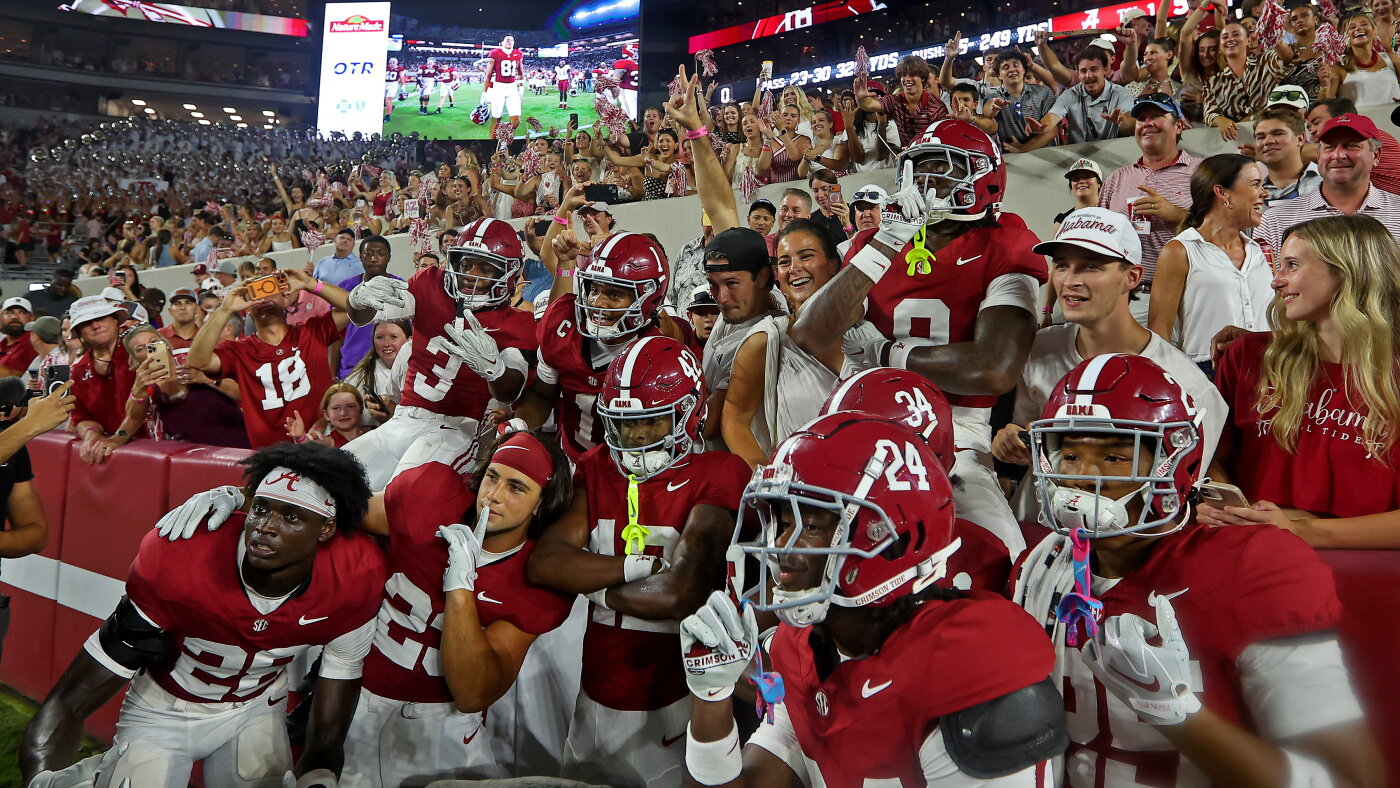
A New Chapter for College Sports: Senate Passes the Protect College Sports Act
In a significant move, the Senate has approved the Protect College Sports Act, a bill aimed at restoring order to the evolving landscape of college athletics. Passed with a bipartisan vote of 77-22, the legislation seeks to address what some have termed a “Wild West” period in college sports.
The bill proposes a limited antitrust exemption for the NCAA, allowing it to reinstate its five-year eligibility rule and transfer restrictions. It also seeks to regulate name, image, and likeness (NIL) deals, which have significantly impacted college sports by enabling athletes to earn substantial sums, sometimes reaching millions annually.
Prominent supporters of the legislation include the NCAA, major schools, and President Trump, who advocated for its passage on Truth Social. The bill’s journey through the Senate was spearheaded by Senators Ted Cruz and Maria Cantwell, who garnered bipartisan support over a year of negotiations.
Efforts to promote the bill were visible, with Nick Saban appearing in television commercials and Ted Cruz discussing it on ESPN’s College GameDay. Cruz emphasized, “Right now, it is the Wild West. The Protect College Sports Act is bipartisan legislation designed to bring order to the chaos.”
The bill now awaits consideration in the House, which will reconvene after the November midterm elections. Its future remains uncertain, as dissenting voices argue that the legislation could unfairly restrict athletes’ rights without offering them equal representation alongside influential institutions.
Critics, including labor groups and the NAACP, argue that the bill maintains institutional control at the expense of athletes. Sam Ehrlich from Boise State University remarked, “I think the better way to frame it is ‘The Protect the NCAA Act.'” He added that it could enable the NCAA to continue overseeing college sports, potentially limiting athletes’ gains from challenging past practices.
While some athletes in Division I football and basketball benefit financially, most do not earn six-figure sums. The bill’s critics argue that it doesn’t adequately address the soaring costs of athletic programs, which include significant increases in recruiting and coaching expenses.
Senator Cory Booker, who opposed the bill, expressed frustration, stating, “That’s what frustrates me — is we have a bill that’s going to protect the wealth and the gravy train for a lot of folks but puts burdens on college athletes.”
Supporters of the bill defend its provisions for women’s and Olympic sports, although these requirements are temporary and subject to exemptions. Dionne Koller, co-chair of a congressional commission on U.S. Olympic and Paralympic movements, questioned the necessity of cutting such programs, suggesting alternative financial solutions.
The legislation also addresses agent compensation, safety guidelines, and media rights while capping conference membership to prevent the formation of “super leagues.” However, its stipulations on conference realignment could face resistance in the House, particularly from regions with vested interests in maintaining flexible conference options.
NCAA President Charlie Baker commended the Senate’s efforts, stating, “Now the bill moves to the U.S. House of Representatives and there is much work left to do to ensure student-athlete benefits are codified into federal law and future generations of young people can access those benefits and use college sports as the launching point for their careers.”

Comments are closed.