
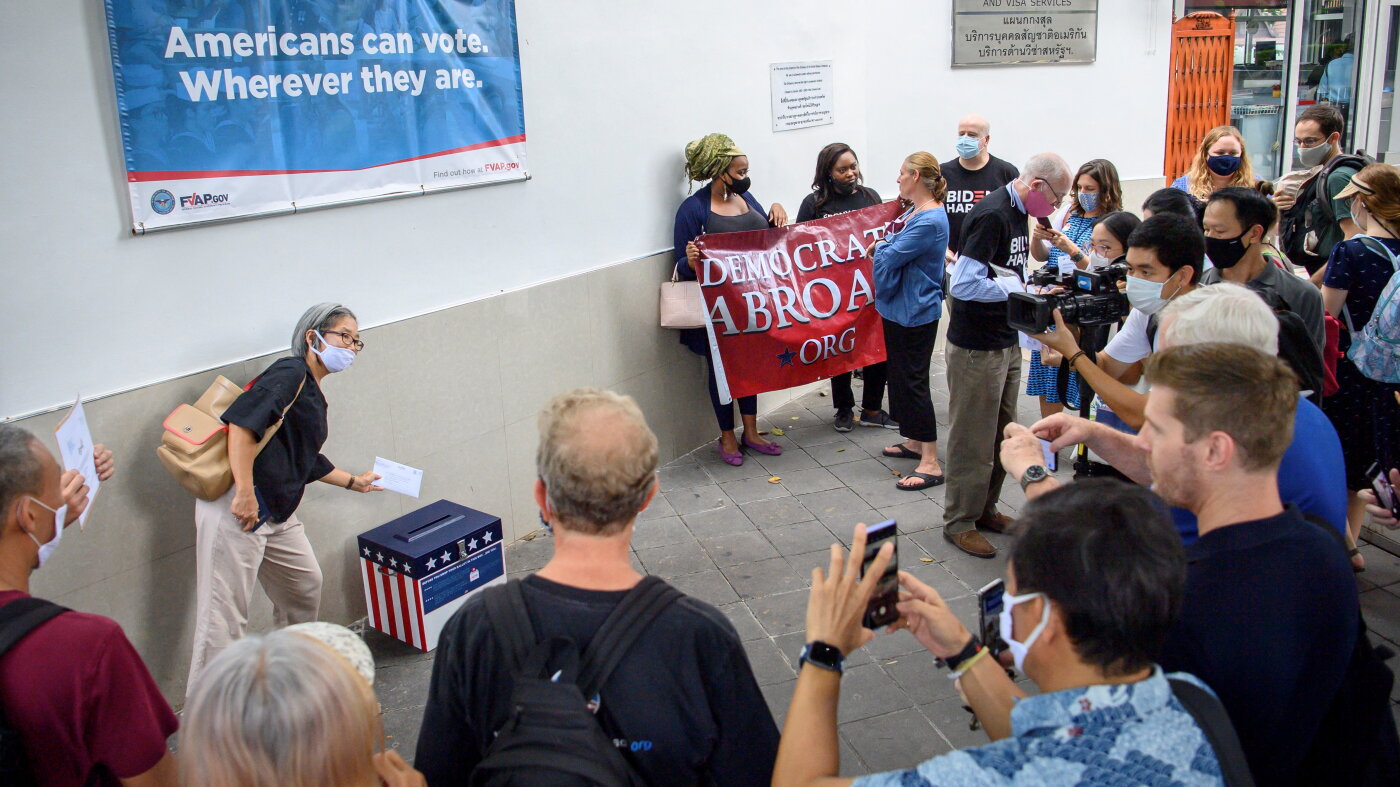
Last-Minute Voting Form Changes Stir Concerns for Overseas U.S. Citizens
In a sudden move that could affect U.S. citizens living abroad, the Trump administration has revised key absentee-voting forms, prompting fears of voter confusion ahead of the midterm elections. The changes, introduced by the Pentagon in late August, modify forms that are crucial for overseas citizens and military personnel to participate in federal elections.
The updated forms, essential for voter registration and ballot requests, were swiftly adjusted through “emergency” requests, bypassing the usual lengthy process. Among these changes, a checkbox allowing citizens to declare they “never lived in the United States” was removed. This adjustment leaves only two options for overseas citizens not connected to the military: declaring an intention to return to the U.S. or expressing uncertainty about returning.
For certain U.S. citizens born abroad who have never lived in the States, this removal is particularly impactful. Numerous states and Washington, D.C., permit these “never-resided” citizens to vote if they have relatives who last lived in the state, such as a parent in the military. However, this practice faces growing opposition from Republican officials.
In recent legal battles, Republican leaders have argued that allowing never-resided citizens to vote violates state constitutions and disadvantages the GOP, as these citizens reportedly register more frequently as non-Republicans. While challenges have succeeded in North Carolina, similar efforts were blocked in Michigan, with ongoing cases in Arizona and other states.
Despite these legal maneuvers, eligible voters can still register and request ballots using alternative methods provided by their state. The Pentagon’s Federal Voting Assistance Program (FVAP) has assured that states may continue processing previous form versions, affirming, “States administer elections and can process any form or application that provides the information required to verify a voter’s eligibility to vote in their jurisdiction.”
Concerns Over Sudden Changes
The checkbox for never-resided voters, present on forms since 2013, was introduced after suggestions from state election officials and voting advocates. Bob Carey, a former FVAP director, recalls implementing this change to accommodate specific voting needs, noting it was initially seen as a minor adjustment.
However, the Pentagon now interprets the Uniformed and Overseas Citizens Absentee Voting Act differently, believing the form’s previous format might confuse voters. Sean O’Keefe, the Pentagon’s deputy under secretary for personnel and readiness, highlighted this in a letter regarding the form’s emergency changes.
The new forms have been updated and communicated via social media, with a public comment period started soon after. Yet, guidance for state election officials appeared on the FVAP website only a month after the changes, raising concerns about timing and communication.
Advocates Voice Concerns
Advocacy groups and individuals have expressed dissatisfaction with the process and potential confusion caused by the changes. Sarah Streyder from the Secure Families Initiative criticized the lack of transparency, questioning the motivations behind the alterations. Susan Dzieduszycka-Suinat of the U.S. Vote Foundation fears the new forms could introduce more confusion, especially with the changes so close to Election Day.
The recent focus on eliminating voting rights for never-resided citizens coincides with intensified legal actions by the Republican National Committee against state laws permitting such voting. Dzieduszycka-Suinat remarked on the concerning timing of these form changes amid ongoing legal developments.
Edited by Benjamin Swasey



Comments are closed.