
San Francisco’s Crime Rate Plummets: The Role of Technology in the Decline
San Francisco, a city once plagued by rampant car thefts and break-ins, has seen a remarkable turnaround. In just four years, these crimes have significantly decreased, prompting a closer look at the factors behind this transformation, particularly the controversial use of advanced surveillance technology.
In August 2022, my truck was stolen in San Francisco. It marked the third time it had been stolen or broken into since I moved to the city. This incident spurred my investigation into the city’s car crime epidemic, revealing that the Bay Area had one of the highest rates of car theft in the nation at the time. Fast forward to 2026, car thefts have dropped by nearly 59%, and break-ins by more than 82% compared to the same period in 2022, based on San Francisco Police Department (SFPD) data.
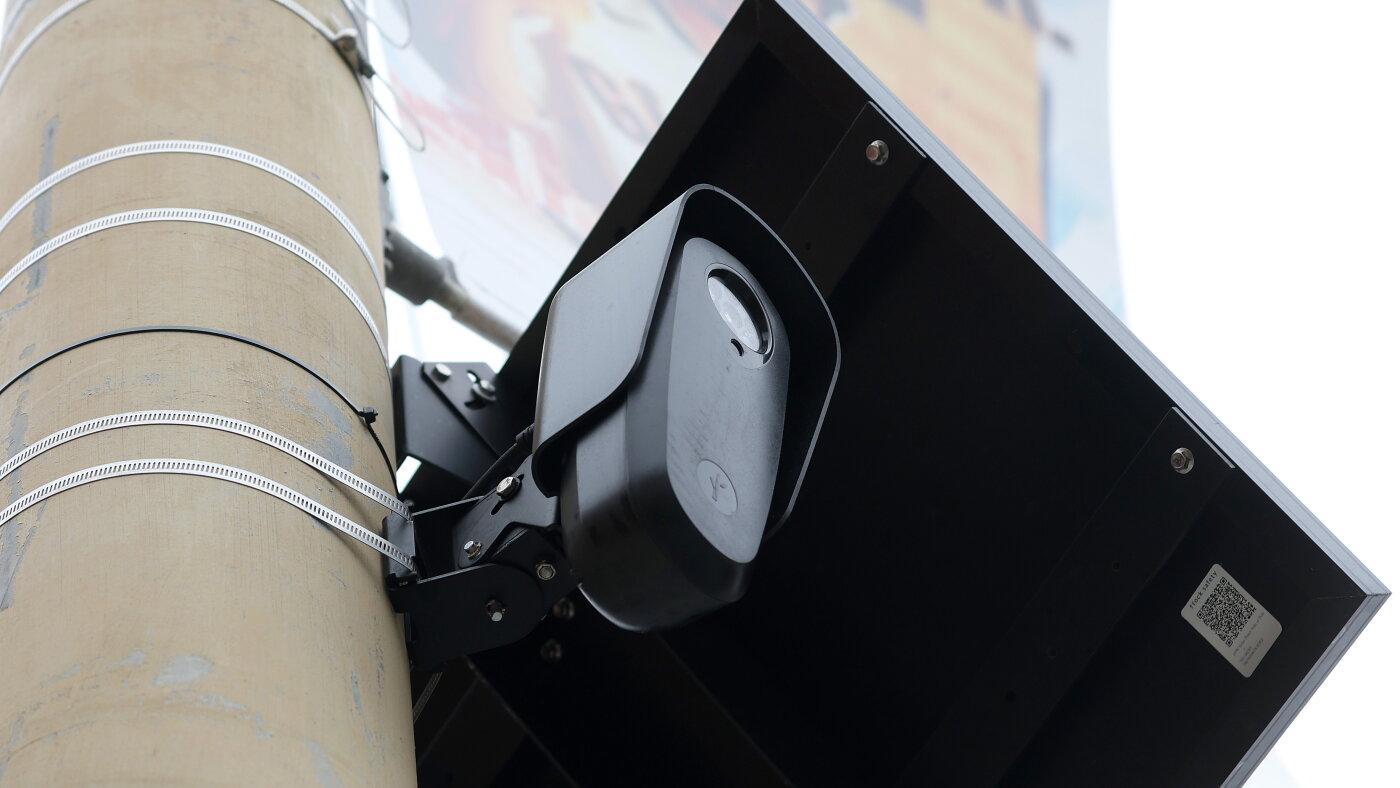
San Francisco law enforcement attributes this dramatic decline to enhanced surveillance technology, including Flock Safety’s AI-powered license plate cameras. This raises the question: how much of this success can be credited to Flock? And can cities balance crime reduction with civil liberties?
Despite its effectiveness, Flock has faced controversy. Reports of police misconduct involving Flock led to hundreds of cities and counties ending or not renewing contracts with the company. Yet, major cities like Los Angeles and Denver have switched to competitors like Axon, maintaining their surveillance approach.
Crime Reduction and Technological Advancements
San Francisco has embraced Flock’s technology, choosing to regulate its use rather than eliminate it. This approach could serve as a model for other cities, balancing crime-fighting capabilities with civil rights protections.
When my truck was stolen in 2022, San Francisco had already started revamping its crime approach. The city recently replaced District Attorney Chesa Boudin with Brooke Jenkins, who criticized Boudin’s prosecution policies. Jenkins emphasized a more aggressive stance on crime, supported by increased police patrols and the use of “bait cars.”
Under Jenkins’ leadership, and following voter approval of Proposition E in 2024, San Francisco expanded its use of drones and high-tech surveillance, including Flock cameras. These cameras use AI to scan and catalog vehicle details, aiding in crime investigations.
Jenkins stated that Flock cameras have significantly helped in identifying and prosecuting criminals without resorting to dangerous police chases. “What the license plate reader cameras have absolutely done — and we do have proof of this — is give the police the ability to catch people who have engaged in crime,” she noted.
Evaluating the Impact of Surveillance
While research on AI-powered surveillance like Flock is still emerging, a recent study by University of South Carolina researchers noted an 11% drop in car thefts where Flock cameras were deployed. However, other factors, such as changes in policing strategies and a general decline in crime post-pandemic, complicate pinpointing Flock’s impact.
Some argue that while Flock helps in catching repeat offenders, its role in reducing break-ins is less clear. Flock systems typically photograph moving vehicles, leaving gaps in coverage, particularly in residential areas where many break-ins occur.
Privacy Concerns and Misuse of Technology
Despite its benefits, Flock faces significant privacy concerns. The American Civil Liberties Union (ACLU) has launched campaigns against such surveillance systems, fearing they infringe on civil liberties and enable unauthorized surveillance.
There have been several reports of misuse, with officers using Flock systems inappropriately. In response, Flock Safety has committed to implementing stricter safeguards against misuse, but oversight largely remains with local authorities.
Despite these concerns, San Francisco’s residents largely support surveillance technology, according to a July poll. The city’s policy may set a precedent for others, aiming to leverage technology for public safety while curbing potential abuses.
Recently, Mayor Daniel Lurie and District Attorney Jenkins announced new measures to protect privacy, including limiting data retention and proposing legislation to penalize misuse of surveillance data.
For more insights on how surveillance technology is shaping law enforcement, follow Planet Money for an upcoming episode exploring the origins and implications of these systems.



Comments are closed.