
The New President of the NEA Aims to Redefine the Union’s Political Role
As challenges mount for public education, a new leader emerges to navigate the complexities. Princess Moss, a veteran music teacher, assumes the presidency of the National Education Association (NEA) at a critical time, with the sector facing budgetary and policy shifts.
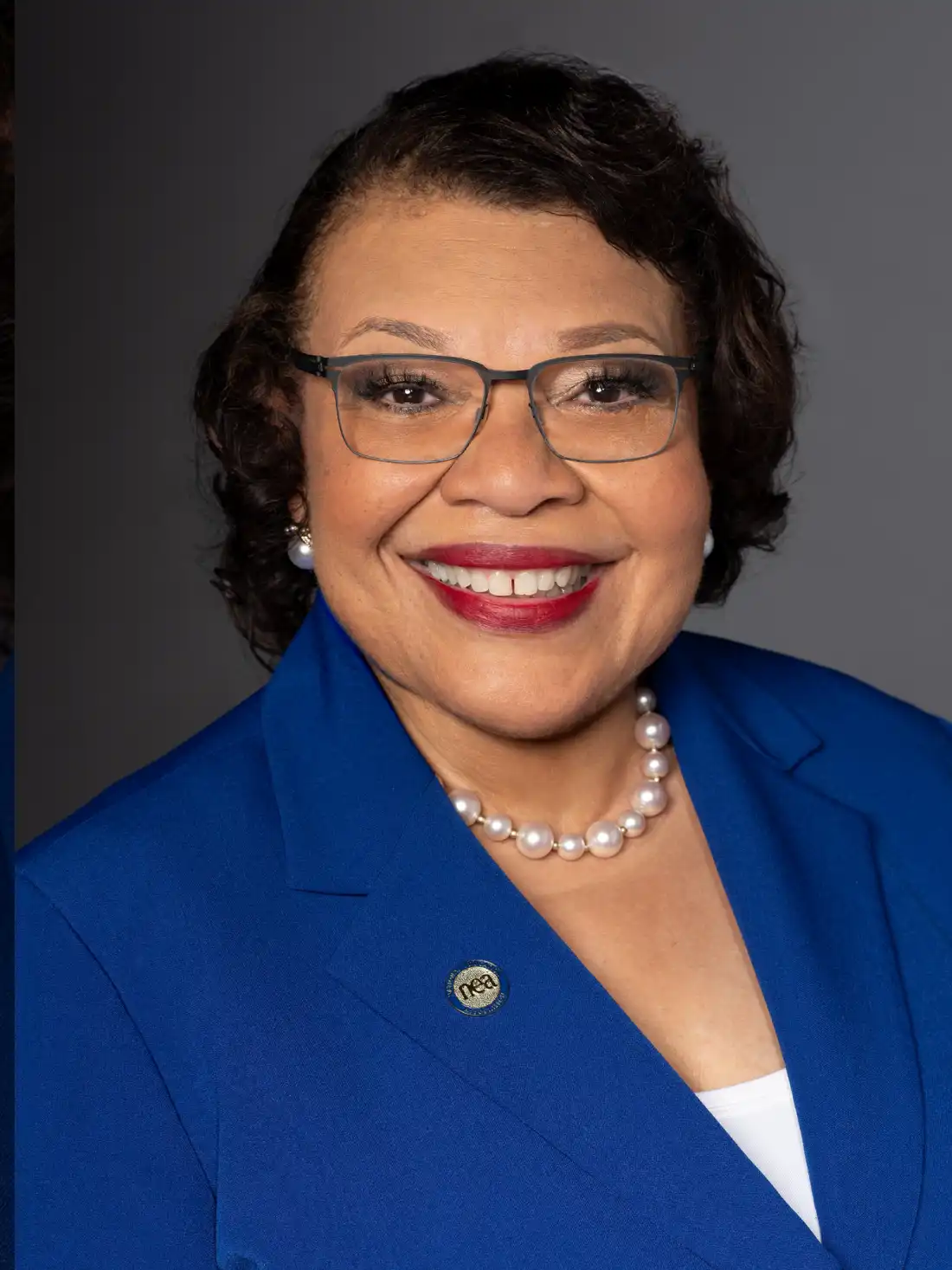
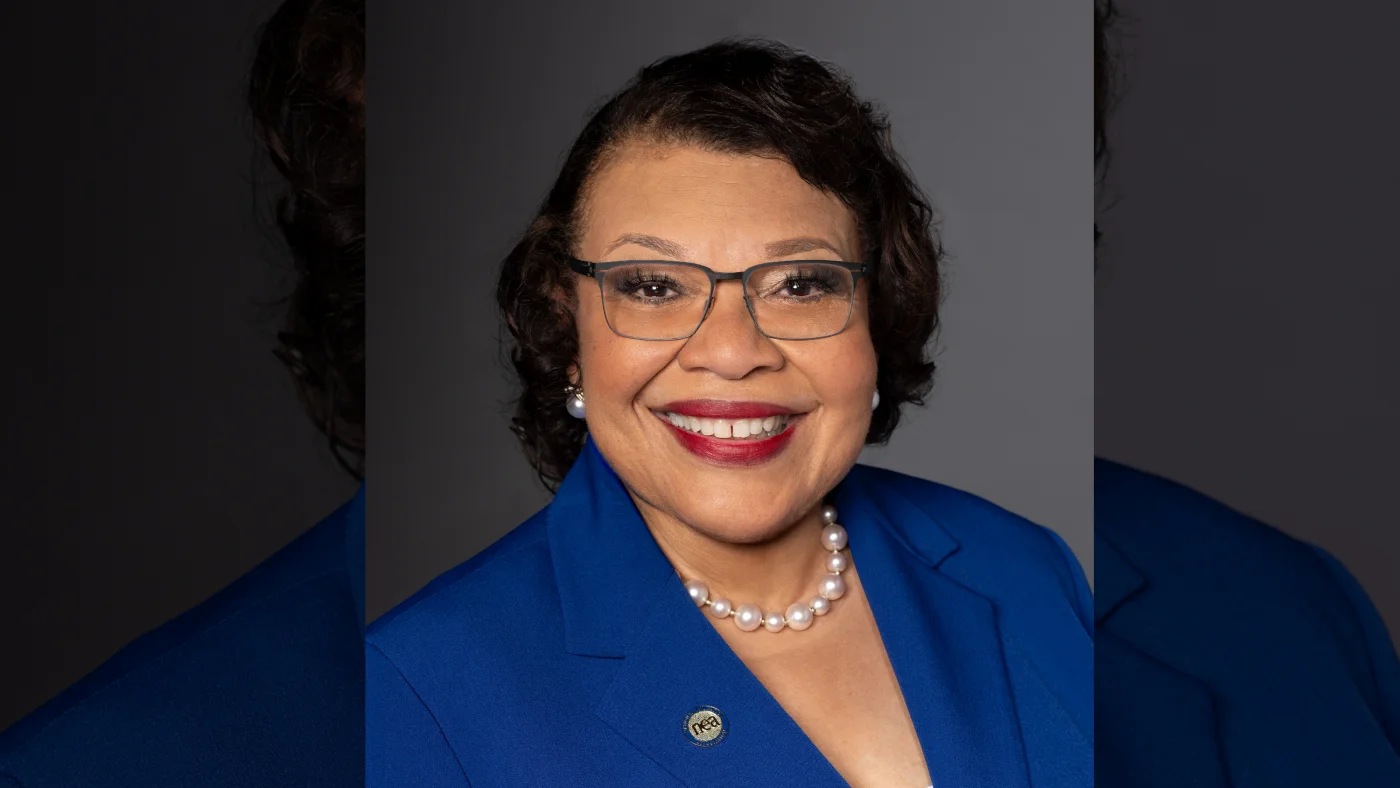
Longtime music teacher Princess Moss was elected as president of the nation’s largest labor union, the National Education Association, over the summer and took the reins in September. The National Education Association
Facing a backdrop of inflation and new education tax credits favoring private schools, the NEA is at a crossroads. The Trump administration’s approach to dismantle parts of the Department of Education adds another layer of complexity (source).
Princess Moss steps into this charged environment with a vision she describes as “resistance to renaissance,” focusing on professional autonomy and community organization. Her goal is to establish the NEA as an independent political force, distinct from traditional party alignments.
“I know this can work because I’ve done it before”
Moss’s journey began in rural Virginia, inspired by teachers during her upbringing. Her second-grade teacher, Lucy T. Lewis, played a pivotal role in shaping her career aspirations, encouraging her even in moments of academic struggle. Moss recalls, “I wanted to be just like Mrs. Lewis.”
After two decades as an elementary school music teacher, Moss advanced through union leadership, ultimately leading the Virginia Education Association and now the NEA. Her tenure will span three years, marked by efforts to bring educators to the forefront of decision-making processes.
“We are the experts,” Moss asserts, emphasizing the need for educators’ voices in policy-making.
Her previous experience in Virginia taught her the value of bipartisan collaboration, which she plans to apply nationally. During her leadership, she worked under a divided government, finding common ground to advance public education.
“Talk about your students”
Moss advises NEA members to focus on student needs rather than political affiliations, stating, “Don’t make it a Democrat or Republican issue.”
Despite skepticism from some quarters, including Michael Petrilli of the Fordham Institute, Moss is determined to chart a new course for the NEA. Petrilli notes the NEA’s historical alignment with the Democratic Party, but acknowledges the potential for change.
In the past, the NEA has endorsed Democratic candidates, including Joe Biden in 2020 and Kamala Harris in 2024. However, Moss aims to broaden the union’s influence, regardless of party lines.
As midterm elections approach, Moss seeks to leverage the NEA’s position to shape education policy in collaboration with diverse political allies.
“The bottom line is that we will work with those who want to put public education first,” Moss emphasizes, highlighting her commitment to bipartisan cooperation.


Comments are closed.