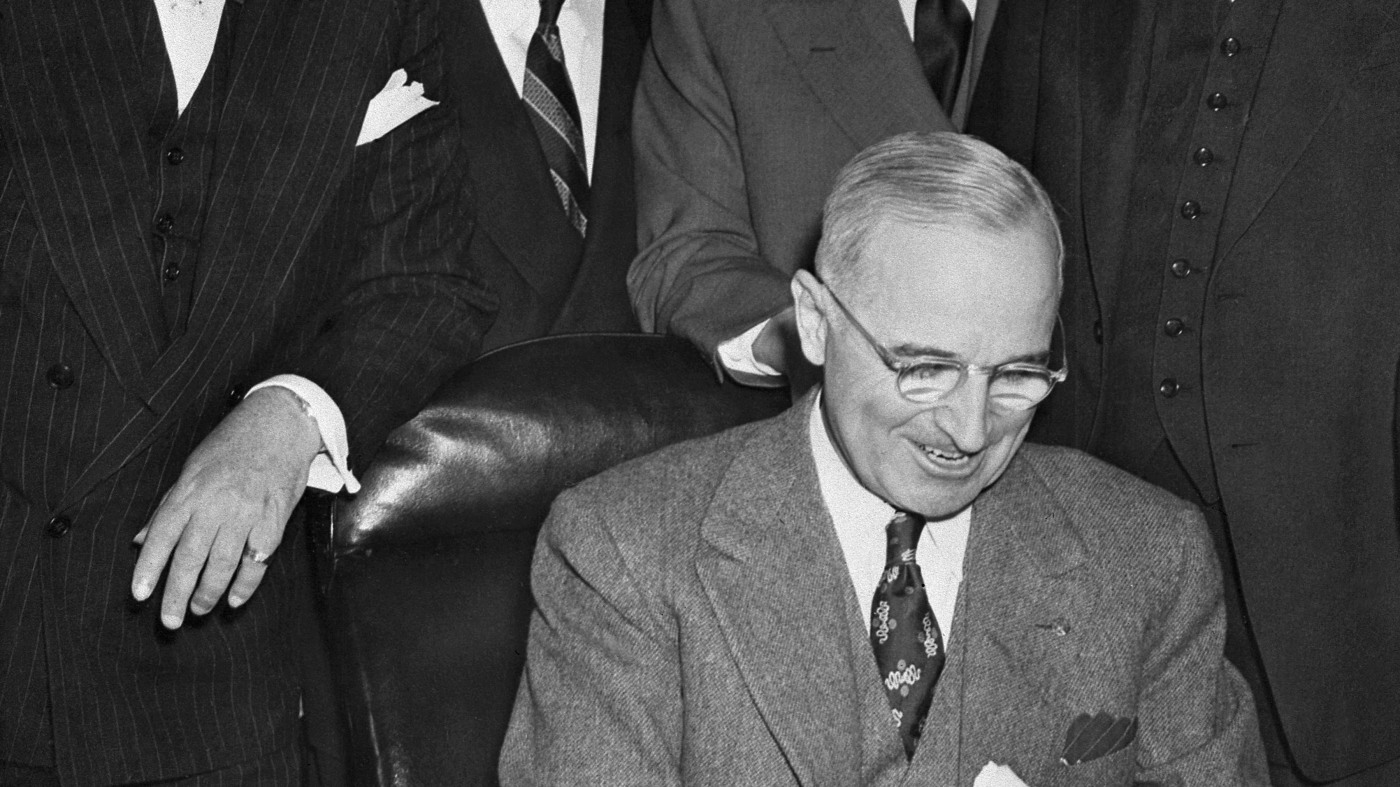
U.S. Foreign Policy: A Shift from Post-War Order to “America First”
In the aftermath of World War II, President Harry Truman helped establish the global institutions that have shaped the international landscape for decades. These efforts included the creation of the United Nations, NATO, the World Bank, and the International Monetary Fund. The Marshall Plan was a significant part of this strategy, aiding in the rapid reconstruction of Europe and Japan. Truman articulated the U.S. foreign policy of that era by asserting that America must support free peoples resisting external pressures.
Fast forward to today, and Donald Trump, 100 days into his second term, is aggressively advocating for his “America First” agenda. This approach seeks to minimize U.S. involvement in international alliances and treaties, which Trump views as costly and outdated.
Trump’s Stance on Military Engagement
President Trump is determined to reduce U.S. military commitments, particularly in conflicts like the ongoing Russia-Ukraine war. Trump has been vocal about ending U.S. involvement in what he calls “endless wars.” His meeting with Ukrainian President Volodymyr Zelenskyy highlighted his reluctance to continue military aid, emphasizing a desire for a ceasefire.
However, as Russian forces continue their assault, the prospect of a ceasefire remains uncertain. Trump’s critics, such as Stewart Patrick from the Carnegie Endowment for International Peace, warn that this approach might embolden adversaries like Vladimir Putin.
Diplomatic Efforts and Economic Policies
On the diplomatic front, Trump is pursuing ambitious deals, yet significant breakthroughs remain elusive. A ceasefire between Israel and Hamas collapsed shortly after it was brokered. Negotiations with Iran continue, but progress is slow.
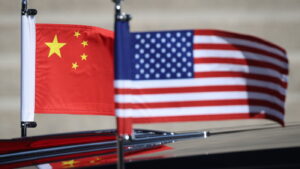
Trump’s unilateral approach extends to trade, where his tariff threats have rattled the global economy. Economists believe this has contributed to a 0.3% contraction in the U.S. economy in the first quarter of the year. Trump’s focus is primarily on China but has led to tensions with allies who could be crucial in countering Chinese influence.
Hal Brands from the American Enterprise Institute notes that the U.S.’s retreat from its global leadership role could destabilize the international order. “If the United States says that it’s going to stop being a global public goods provider and simply take benefits out of the system, I don’t know how long that system is going to last,” he warns.
As Trump redefines America’s position on the world stage, the long-term implications for global stability remain uncertain.