Examining Presidential Criticism of the Judiciary: A Historical Context
The tension between U.S. presidents and the judiciary is a recurring theme in American history. While Donald Trump has notably vocalized his discontent with “activist judges,” he is not the first president to challenge the judiciary’s role. The complex relationship between the executive branch and the courts raises questions about judicial independence and separation of powers.
Throughout his second term, President Trump frequently criticized judges for rulings against his administration, accusing them of political bias. “We cannot allow a handful of communist radical-left judges to obstruct the enforcement of our laws and assume the duties that belong solely to the president of the United States,” Trump stated to his supporters.
The U.S. Constitution firmly establishes the principle of an independent judiciary; however, this has not deterred criticism from both presidents and Congress when judicial decisions clash with their agendas. Alexander Hamilton emphasized the necessity of judicial independence in the Federalist Papers, stating, “The complete independence of the courts of justice is peculiarly essential in a limited Constitution.”
Understanding Judicial Activism
The term judicial activism was introduced by historian Arthur M. Schlesinger Jr. in 1947 to describe certain Supreme Court justices during the Roosevelt and Truman eras who allegedly used the judiciary as a tool for social justice. Barry Friedman, a law professor at New York University, explains that “judicial activism largely exists in the eye of the beholder,” suggesting that perceptions of activism vary based on individual viewpoints.
According to the Legal Information Institute at Cornell University, judicial activism involves judges making rulings based on their policy preferences rather than an impartial interpretation of the law. In contrast, judicial restraint emphasizes adherence to precedent and a reluctance to reinterpret established law.
Friedman adds, “Judging is supposed to be a relatively conservative — with a small ‘c’ — endeavor,” where decisions should not easily overturn precedent or stretch legal reasoning. The term has evolved into a bipartisan complaint, historically used by both liberals and conservatives to express disapproval of judicial decisions.
Historical Context and Usage
Historically, America’s response to Supreme Court decisions has varied. In earlier years, some rulings were outright ignored, as seen in the 1830 case of Georgia v. Tassel. The infamous 1857 Dred Scott v. Sandford case, which denied citizenship to African Americans, marked a period of judicial supremacy, where court decisions were considered final.
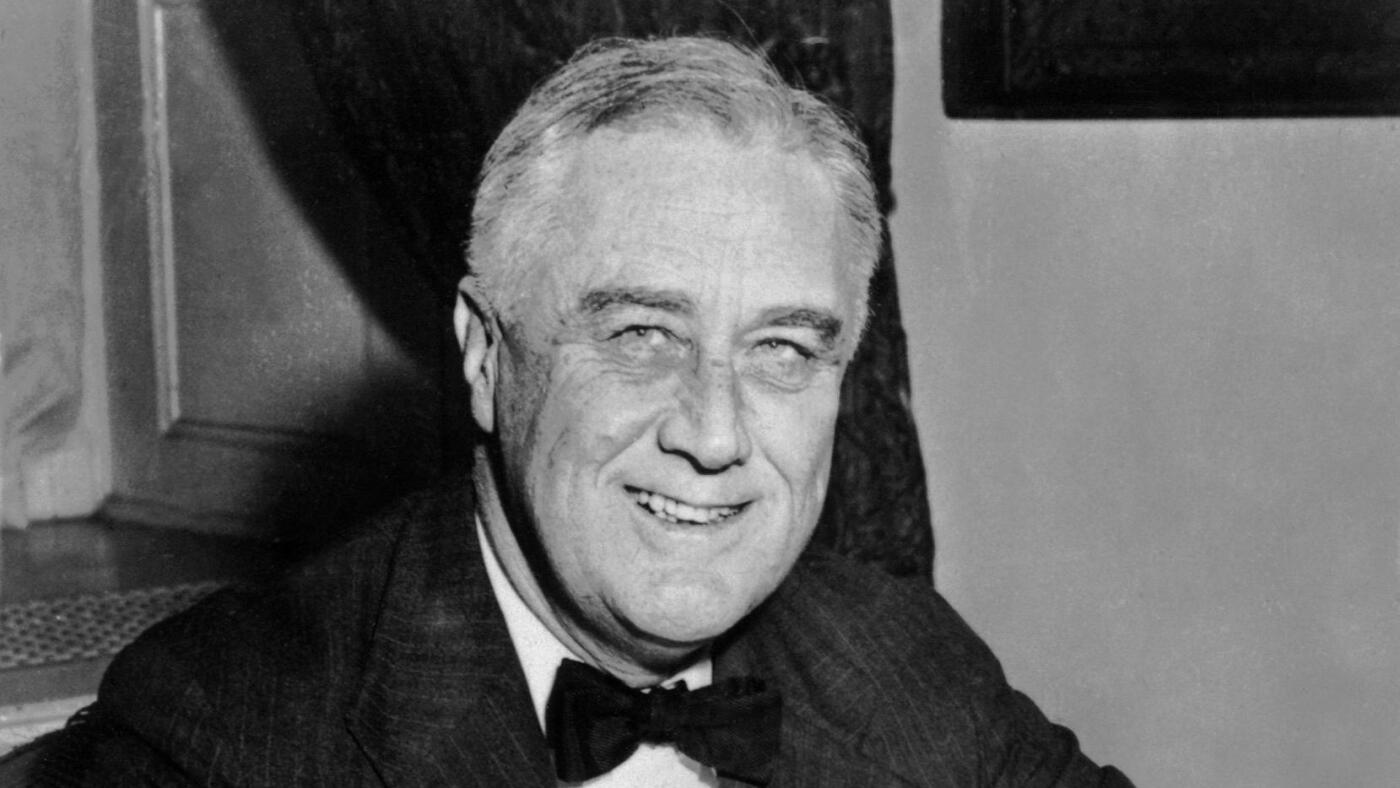
In the 20th century, President Franklin D. Roosevelt’s frustration with the Supreme Court led to his controversial “court-packing” proposal after the Court struck down several New Deal programs. Roosevelt accused the Court of acting as a “policy-making body” rather than a judicial entity. This era nearly sparked a constitutional crisis, with rumors that judges might face arrest or the Court’s dissolution.
Richard Nixon’s presidency further highlighted tensions with the judiciary. He criticized the Warren Court for being lenient on criminals and promoted “strict constructionism” as an alternative. By the Reagan era, “judicial activism” was used by conservatives to criticize judges who upheld policies seen as inconsistent with the original constitutional meaning.
Judicial Independence and Modern Reactions
With a significant Democratic majority in Congress, Roosevelt’s court-packing threat posed a real possibility. However, an ideological shift within the Court, known as “the switch in time that saved nine,” helped avert the confrontation. This shift meant that Roosevelt’s proposal became unnecessary to protect his policies.
In recent years, Chief Justice John Roberts has defended judicial independence against Trump’s criticisms. Following a ruling by U.S. District Judge James Boasberg that blocked the deportation of Venezuelan migrants, Trump labeled Boasberg an “agitator” and called for his impeachment. In response, Roberts issued a statement emphasizing that impeachment is not a suitable response to disagreement over judicial decisions, as the appellate review process serves this purpose.
Roberts’ defense of the judiciary reflects a broader concern about maintaining the Court’s integrity in a highly politicized environment. As Whittington notes, the Chief Justice is taking an unusual step in defending the Court, recognizing the need to uphold its role amid ongoing political challenges.