Hope Rises for Housing Homeless Veterans at West LA Campus
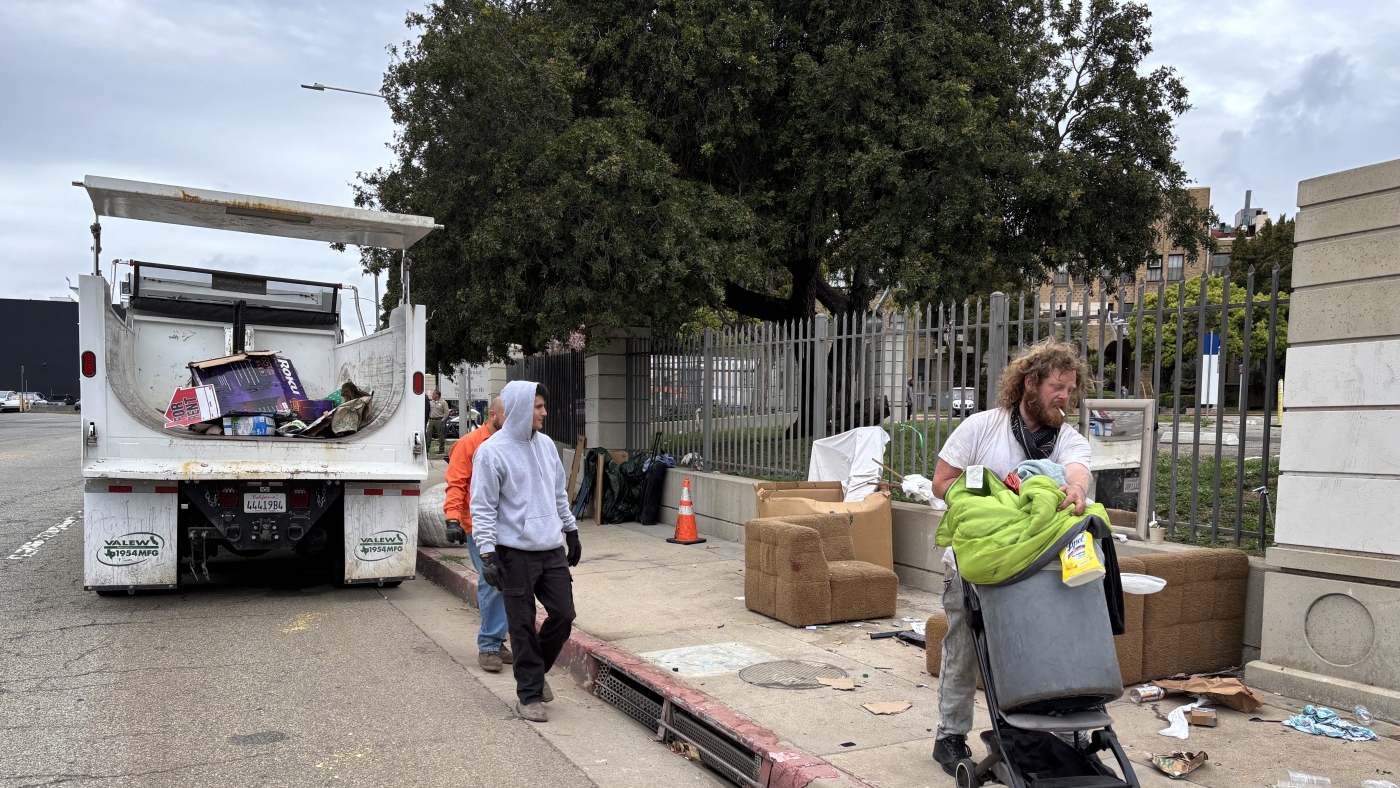
On a typical cool morning last month, the bustling streets of California’s upscale locales saw an unexpected scene. Iraq war veteran Irving Webb was hurriedly packing his belongings into a shopping cart as sanitation workers methodically cleared the sidewalk where he had spent several nights. “I’ve been here for five years,” Webb lamented, “and they’re freaking killing me. This is like the fifth time in the last month.”
The scene unfolded just outside the gates of the sprawling Veterans Affairs (VA) campus in West Los Angeles, a place ironically situated in a city with the highest number of homeless veterans across the nation. Despite the vast 388-acre site originally gifted in 1888 as a soldiers’ refuge, it has been underutilized for veteran housing in recent years.
Controversial leases, such as athletic fields for the private Brentwood School and UCLA’s baseball stadium, have diverted the campus’s purpose. Although lawsuits have pressured the VA to develop housing, progress has been slow, leading to temporary shelters on a parking lot within the campus. Overflow beds are made available when these small homes fill up.
Rob Reynolds, an Iraq veteran who advocates for homeless veterans in LA, pointed out, “You’ll have veterans that show up in the evening, and there’s not enough room. There’s nowhere for them to go.” He emphasized that the most vulnerable veterans often face the hardest challenges in securing assistance. Reynolds argued that faster housing development could provide much-needed options for veterans with various needs, including those battling mental health and substance abuse issues.
New Initiatives and Executive Orders
A recent executive order from the White House has reignited hope for addressing the housing crisis. The directive calls for the establishment of the National Center for Warrior Independence at the West LA VA campus, with the goal of housing 6,000 veterans by 2028. However, the order was issued without consulting local VA officials, leading to questions and concerns about its implementation.
Representative Brad Sherman, who serves the West LA district, expressed skepticism about the feasibility of the plan, noting that it lacked concrete details and proposed using funds potentially allocated for other services. “It seems like just kind of a campaign press release saying President Trump loves veterans and hates undocumented immigrants,” said Sherman.
Meanwhile, legal hurdles have slowed down construction efforts on the VA campus. Advocates have worked tirelessly to secure funding through public-private partnerships, a process that has taken years. Sherman remains hopeful that the administration will provide sufficient funding, potentially up to $3.3 billion, to realize the goal of building 6,000 housing units.
Reynolds welcomed the executive order, calling it “the morally correct thing to do.” He stressed the need to utilize the nearly 400-acre site to prevent veterans from sleeping on the streets. “We don’t care who takes credit as long as it’s done properly,” added Steve Peck of the West LA Veterans Collective.
In the background, efforts to expand housing on the campus continue. A court ruling last year mandated the immediate construction of hundreds of new temporary housing units, but the government appealed the decision. The Trump administration has yet to withdraw the appeal, which demands significantly fewer units than the recent executive order.