The Timeless Recorder: From Classrooms to Concert Halls
The recorder, a simple plastic instrument, continues to hold a special place in music education despite a decline in its popularity. While many schools have shifted towards instruments like the ukulele, Parkside Elementary in Atlanta remains a bastion for this traditional tool, where second-graders eagerly await their turn to play.
Although a recent report highlights a decrease in recorder usage in UK schools, and similar trends are observed in the US, Parkside’s band teacher Phillip Edwards maintains a lively classroom environment with the instrument. His students learn various tunes, from classics like “Three Blind Mice” to rock favorites such as “Eye of the Tiger.”
Edwards says, “It’s like a pep rally,” when describing the excitement of his students. Eight-year-old Daisy Lee particularly enjoys “Eye of the Tiger,” saying, “It’s an easy song, and I like the rhythm and beat.”
The Perfect Teaching Tool
For educators like Edwards, the recorder provides an excellent introduction to music fundamentals. Michael Lynn, a professor at Oberlin College, emphasizes its ease of use, noting, “There’s really no other instrument, other than maybe the keyboard, where it is so easy for a beginner to actually make a sound.”
Former music teacher Karen Dolezal praises the recorder’s affordability and suitability for children: “It’s a small, portable instrument that small hands can master.” The instrument’s simplicity allows young learners to focus on reading one line of music at a time, unlike more complex instruments.
Brady Gerber, a music journalist, recalls his experience with the recorder in school, saying, “The recorder was amazing because I could actually play music.” For him, it was a gateway to music and a tool that helped him manage his autism.
Despite its benefits, the recorder presents challenges. Edwards points out the difficulty of covering the instrument’s holes correctly. “If your fingers aren’t covering the holes 100%, the right note will not come out,” he explains.
From the Renaissance to the Classroom
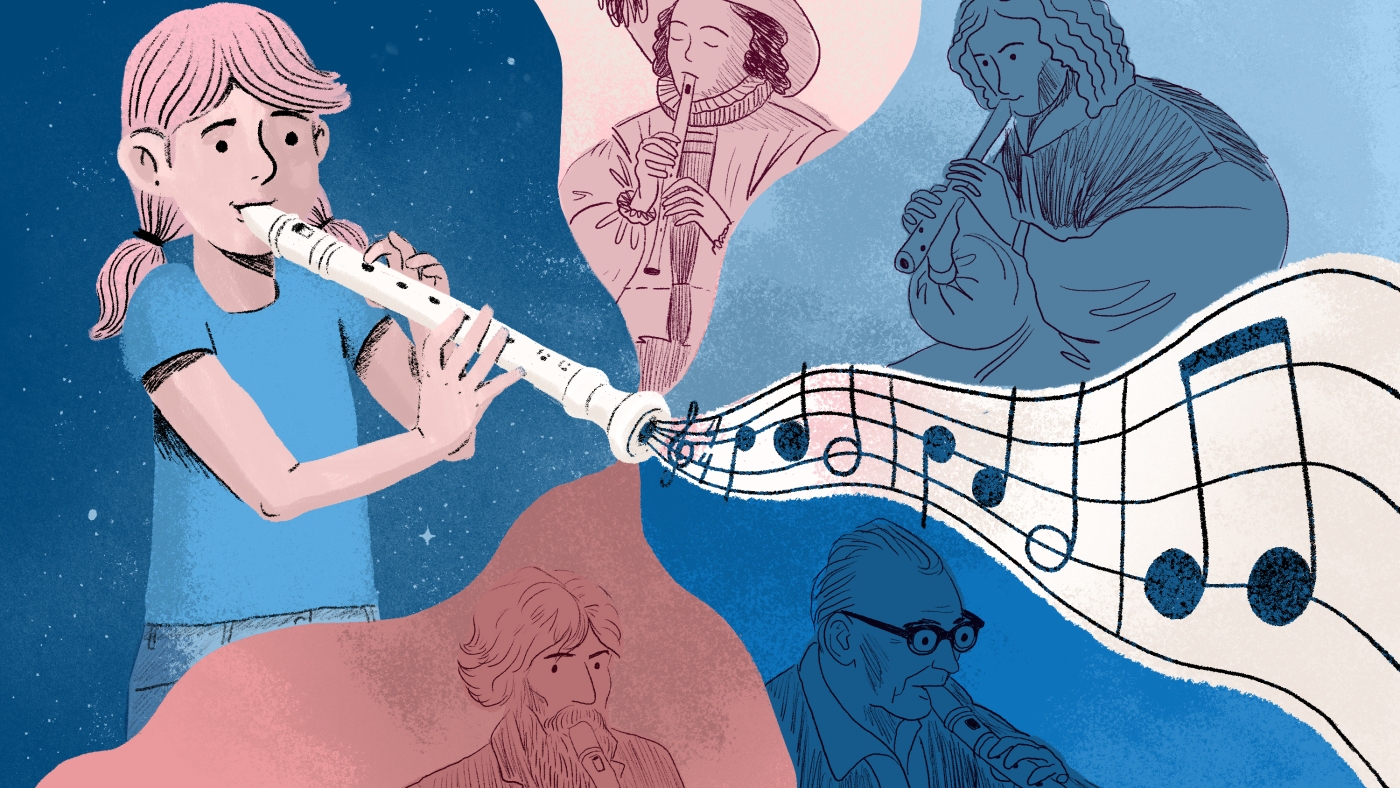
The recorder’s history traces back to the Renaissance, where it was a popular ensemble instrument. Notable figures like Henry VIII composed pieces for it, contributing to its historical significance.
Its modern resurgence began with Arnold Dolmetsch in the early 20th century, who promoted it as a teaching tool. The advent of plastic manufacturing made it accessible to schools, leading to its widespread use in classrooms by the 1960s.
Today, while its presence in schools may be declining, Lynn notes that technological advancements have improved the quality of plastic recorders since his childhood.
A Serious Instrument
Beyond its educational use, the recorder is a sophisticated instrument with potential for advanced performance. “It’s not just a toy,” Dolezal asserts, emphasizing its capabilities.
Lynn concurs, pointing out that many Americans never experience the recorder at a high level of play. However, at Parkside Elementary, students are already taking it seriously and aspiring to excellence. Edwards notes their competitive spirit, with some students ambitiously claiming, “Mr. Edwards, I’m gonna be better than you one day.”