Harvard Battles Federal Funding Freeze in Court
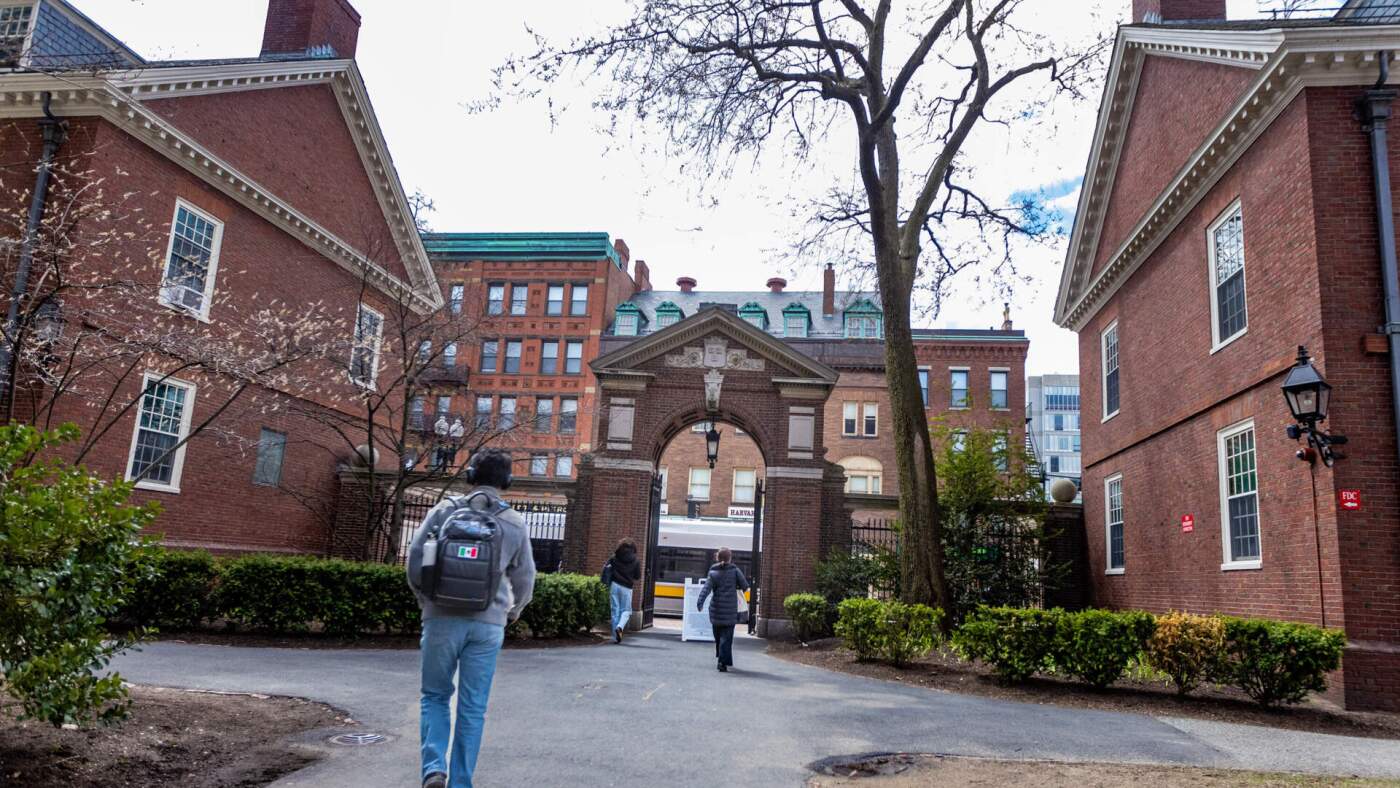
In a pivotal legal clash, Harvard University is challenging the federal government’s decision to freeze over $2 billion in grants and contracts. The university’s attorneys are set to argue that this move by the Trump administration is unlawful, aiming to reverse the funding hold that threatens crucial research in various fields.
Harvard’s legal team, in their filings, contend that the funding cuts, announced by the Trump administration, pose a significant risk to advancements in medicine, science, and technology. The university’s lawsuit seeks to prevent the administration from using financial leverage to influence academic governance at Harvard.
The Trump administration justified the freeze by alleging that Harvard breached Title VI of the Civil Rights Act by neglecting to address antisemitism on its campus. The legal proceedings are anticipated to be swift, lasting just a day, with Harvard pressing for a summary judgment from Judge Allison D. Burroughs. However, legal experts predict that a final resolution might be far off, as either party is likely to appeal the decision.
This case has captured the attention of higher education institutions nationwide. Many universities, facing similar federal grant freezes, are keenly observing the outcome, as it could have widespread implications across the sector.
“Across the higher ed landscape, across the entire sector, institutions recognize that what happens in this case will really have a profound impact,” says Jodie Ferise, an Indiana-based lawyer specializing in higher education.
Harvard’s Legal Standpoints
Harvard’s lawyers argue that the Trump administration violated the Administrative Procedure Act (APA) by abruptly altering procedures without justification. They assert that the administration failed to adhere to established protocols for revoking federal funding over discrimination issues.
The lawsuit also claims no logical link between the alleged antisemitism and the suspension of federal research funding, which is essential for projects that save lives and bolster national security.
Furthermore, Harvard accuses the government of infringing on the First Amendment by attempting to control academic freedom, particularly in hiring and admissions processes, as well as by demanding access to student records without due legal process.
Counterarguments from the Trump Administration
The administration counters that Harvard did not fulfill its obligation to protect Jewish students and failed to comply with federal law. The Joint Task Force to Combat Anti-Semitism, a multiagency initiative, cited these failures as reasons for halting the funding.
Harrison Fields, a White House spokesperson, stated, “Taxpayer funds are a privilege, and Harvard fails to meet the basic conditions required to access that privilege.”
Jessica Levinson, a professor at Loyola Law School, explains that the administration is asserting its right to cut off funding due to Harvard’s alleged non-compliance with federal laws.
Impact on Research Initiatives
The frozen funds, exceeding $2 billion, are crucial for over 900 research initiatives at Harvard and its affiliates. These projects encompass Alzheimer’s prevention, cancer treatment, and national security research.
Kari Nadeau, a professor at the Harvard T.H. Chan School of Public Health, lost a $12 million grant for her study on reducing severe allergies in infants. “We’ve had to stop our studies and our work,” Nadeau remarks, highlighting the far-reaching effects on participants, researchers, and trainees.
This case’s outcome will heavily influence the future of such research, with Nadeau expressing cautious optimism regarding the legal proceedings.
Legal experts suggest that the case is unlikely to conclude with this hearing, anticipating further appeals and potentially a Supreme Court review.