Potential Changes to U.S. Preventive Services Task Force Spark Concerns Among Medical Groups
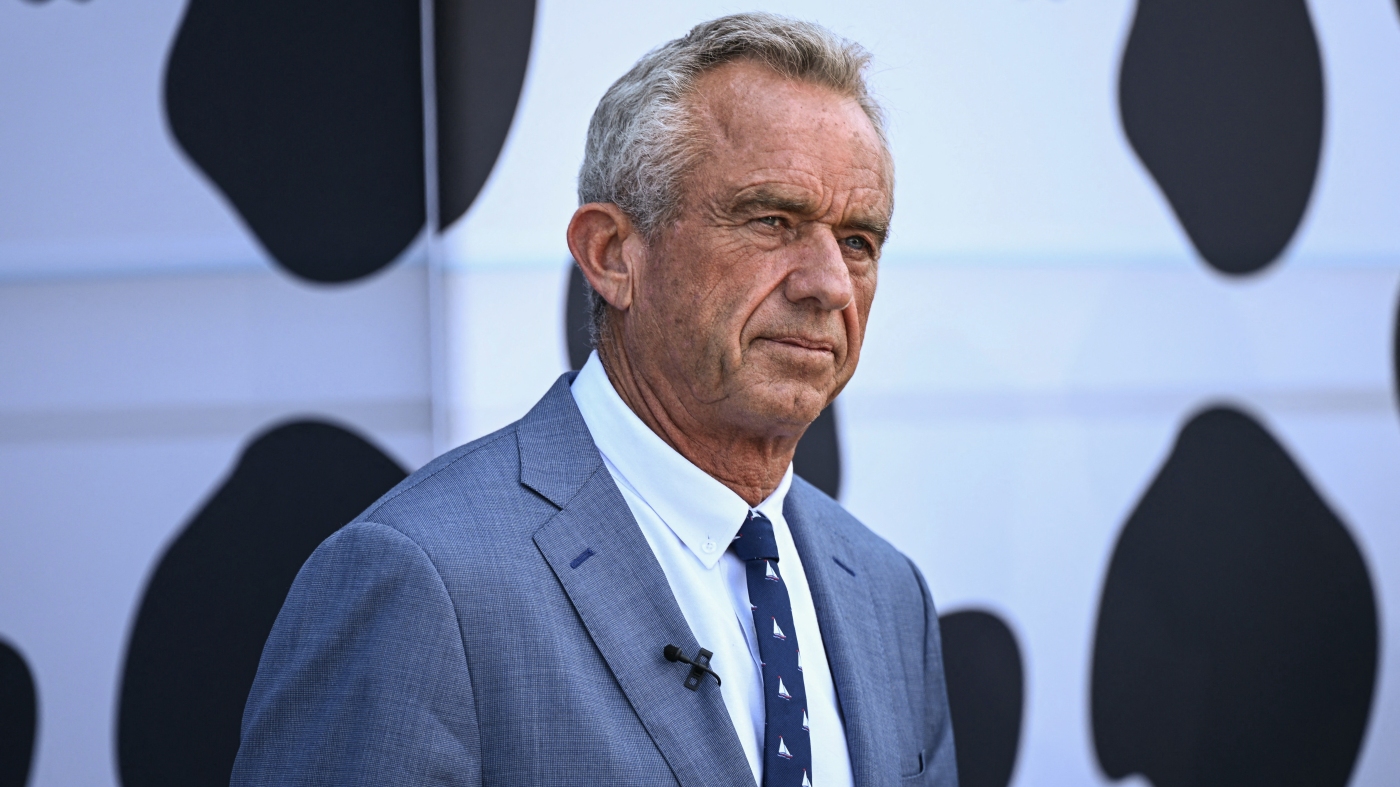
In a move stirring apprehension among top medical associations, Secretary of Health and Human Services Robert F. Kennedy Jr. is reportedly considering the dismissal of the U.S. Preventive Services Task Force (USPSTF) members. This advisory panel, composed of primary care experts, plays a crucial role in shaping preventive health care guidelines.
The potential overhaul was initially reported by The Wall Street Journal. Dr. Bobby Mukkamala, president of the American Medical Association (AMA), expressed, “It’s very concerning — and it’s not the first time we’ve been concerned.” NPR has yet to independently verify these plans.
Last month, Kennedy had already replaced members of another advisory committee focusing on vaccines, raising concerns about the expertise and experience of new appointees. Mukkamala expresses worry that similar changes could occur with the USPSTF, which is overseen by the Agency for Healthcare Research and Quality under Kennedy’s department.
“When you have something good and you don’t know if it’s going to be replaced with something good, it’s just a risk that nobody should take,” Mukkamala stated. Currently, the Department of Health and Human Services has not provided a comment on the situation.
Since its inception in 1984, the USPSTF has been instrumental in reviewing data and offering recommendations for disease prevention. Dr. Alexander Krist, a family physician and former chair of the task force, noted the significance of their guidelines in everyday medical practice, ranging from cancer screenings to managing chronic conditions like diabetes and hypertension.
The task force is responsible for approximately 100 guidelines that span care from infants to the elderly. Dr. Michael Barry, an internal medicine researcher at Harvard Medical School and former member of USPSTF, highlighted the trust healthcare professionals place in these guidelines due to their consistent methodology and rigorous vetting process for new members.
Concerns are mounting that replacing the task force could disrupt this trust. Dr. Krist emphasized, “Clinicians are going to be left struggling to understand what they should be doing and who they should be listening to in terms of preventive care for America.”
Furthermore, the Affordable Care Act’s implementation in 2010 tied USPSTF recommendations to insurance coverage, adding another layer of complexity to potential changes. Earlier this month, the AMA, together with over 100 health organizations, sent a letter to Congress, emphasizing the importance of safeguarding the integrity of the USPSTF from political influences.
The AMA further communicated its concerns directly to Kennedy, urging the retention of the current task force members to maintain its mission of improving American health. The letter highlighted the dedication of the 16-member panel, aligning with the “Make America Healthy Again” initiative.