Immigration Crackdown Linked to Mental Health Crisis in Communities
In recent years, mental health issues have surged within immigrant communities in the United States, coinciding with the Trump administration’s intensified immigration enforcement. Health professionals and researchers are observing a disturbing trend of increased anxiety, depression, and suicidal thoughts, reflecting the profound stress these communities face.
At a primary care clinic in Los Angeles, serving predominantly Latino families, health screenings reveal alarming levels of mental distress. “When we look at our data during periods of intensified enforcement, our screening data showed a clear rise in distress,” said Sophia Pages, executive director of behavioral health at Zocalo Health.
Data from Zocalo Health indicates that over half of the patients screened experienced severe anxiety, and nearly three-quarters suffered from depression. Troublingly, nearly 1 in 8 patients reported suicidal thoughts, a figure more than double the national average, according to a CDC report.
Communities Already Vulnerable
Many within these communities, like Esperanza from King City, California, have endured traumatic experiences prior to arriving in the U.S. Esperanza and her family fled Oaxaca, Mexico, in 2023 due to threats from local cartels. “When things started getting really bad, we grabbed our stuff and came to the border,” she recounted.
The journey and subsequent life in the U.S. have been fraught with stress, exacerbated by fears of deportation as immigration raids intensified. Esperanza’s mental health deteriorated, plagued by sleeplessness and heart palpitations. “I wasn’t sleeping,” she admitted, describing the impact on her life.
Impact on Children
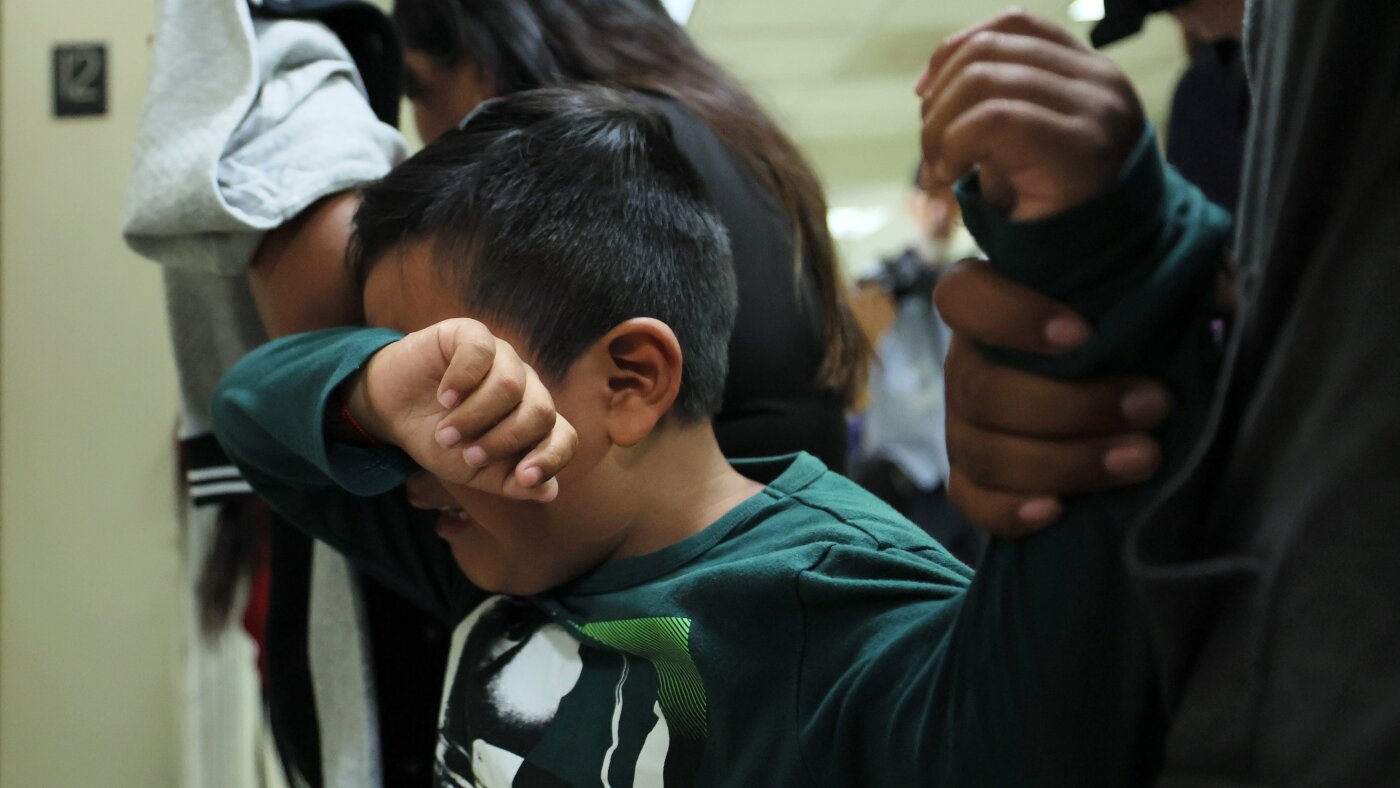
Children in immigrant communities are particularly vulnerable to mental health struggles. “Latino children often have higher rates of things like depression, anxiety,” noted Ariana Hoet, a pediatric psychologist at Nationwide Children’s Hospital. The fear of family separation only compounds these issues.
Research highlighted in the New England Journal of Medicine underscores that the administration’s policies are a toxic stressor for children, with lasting effects on their well-being. “Children who experience a parent’s deportation… it’s more than double the odds of developing PTSD,” said Hoet.
These challenges manifest in various ways, including physical symptoms like headaches and behavioral changes. “You see kids become more clingy, very anxious and worried,” Hoet explained, emphasizing the heightened need for mental health support in these communities.
For Esperanza, therapy at Zocalo Health has been a lifeline. “It has helped me a lot. It has helped me with my self-worth and just how I see myself, my situation,” she shared. With newfound coping mechanisms, she is navigating her circumstances with greater resilience and is teaching these skills to her family.