International Moves Towards Palestinian Recognition Highlight Diplomatic Fault Lines
France and the United Kingdom are poised to join the growing list of countries recognizing a Palestinian state, a gesture that could further strain ties with Israel and the United States. As permanent members of the U.N. Security Council, their actions could significantly shift the diplomatic landscape, especially amid the ongoing conflict in Gaza, which has drawn global condemnation.
Canada has also indicated a similar direction, joining the chorus of nations like Malta in contemplating the formal recognition of Palestinian statehood. More than 145 countries have already recognized Palestine, yet the involvement of nations like France and the UK marks a potential turning point.
“When you have states with the significance and importance of France and Britain taking this measure, it does leave the sense of a dam breaking,” commented Mouin Rabbani, a senior fellow with the Middle East Council on Global Affairs. He suggests that this move, although symbolic, carries substantial diplomatic weight.
Amidst these developments, Israeli Prime Minister Benjamin Netanyahu and U.S. Secretary of State Marco Rubio have expressed strong opposition, seeing these moves as rewarding terrorism and undermining victims. Conversely, the Palestinian Authority has welcomed these announcements, while Hamas described France’s move as a “positive step,” according to a BBC report.
Official Statements from France, the U.K., and Canada
While all three countries have long supported a two-state solution, their approaches differ. French President Emmanuel Macron has openly declared intentions to recognize a Palestinian state, urging an immediate ceasefire and humanitarian assistance in Gaza. Meanwhile, the U.K.’s Prime Minister Keir Starmer has linked recognition to an Israeli ceasefire and a halt on West Bank settlements.
Canada’s Prime Minister Mark Carney has set similar conditions, emphasizing the need for Palestinian elections that exclude Hamas. Carney articulated the necessity of a two-state solution as the only viable route to peace and stability.
Implications for the United Nations and International Diplomacy
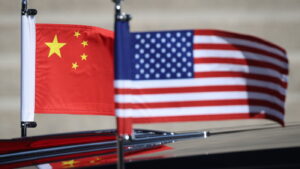
Should the U.K. and France proceed, they would join Russia and China in backing Palestinian statehood at the U.N. Security Council. This would leave the U.S. isolated in its unwavering support for Israel. Khaled Elgindy from Georgetown University points out the potential diplomatic shifts, noting that these recognitions might lead to full embassies being established between recognizing countries and the Palestinian Authority.
Michael Lynk, a former U.N. expert, elaborates on the potential diplomatic changes, including the elevation of representative offices to embassies and reciprocating ambassadors. He also notes that recognizing countries may have obligations to act against states infringing Palestinian sovereignty.
The issue of International Criminal Court (ICC) jurisdiction could also arise, especially with ongoing warrants against Israeli officials. While France has stated it will not arrest Israeli leaders due to international law obligations, the broader legal consequences remain uncertain.
Shifts in Public Opinion and Political Pressure
Public sentiment plays a crucial role, with a recent YouGov poll revealing that 45% of Britons support recognizing Palestinian statehood. Rabbani suggests that the countries are navigating complex domestic pressures and an untenable international situation, opting for recognition as a low-cost response to public demand.
The situation remains fluid, with France, the UK, and Canada advocating for sidelining Hamas from future Palestinian governance. As these nations grapple with domestic and international expectations, their moves could reshape the diplomatic terrain, even if the immediate impact on the ground remains limited.