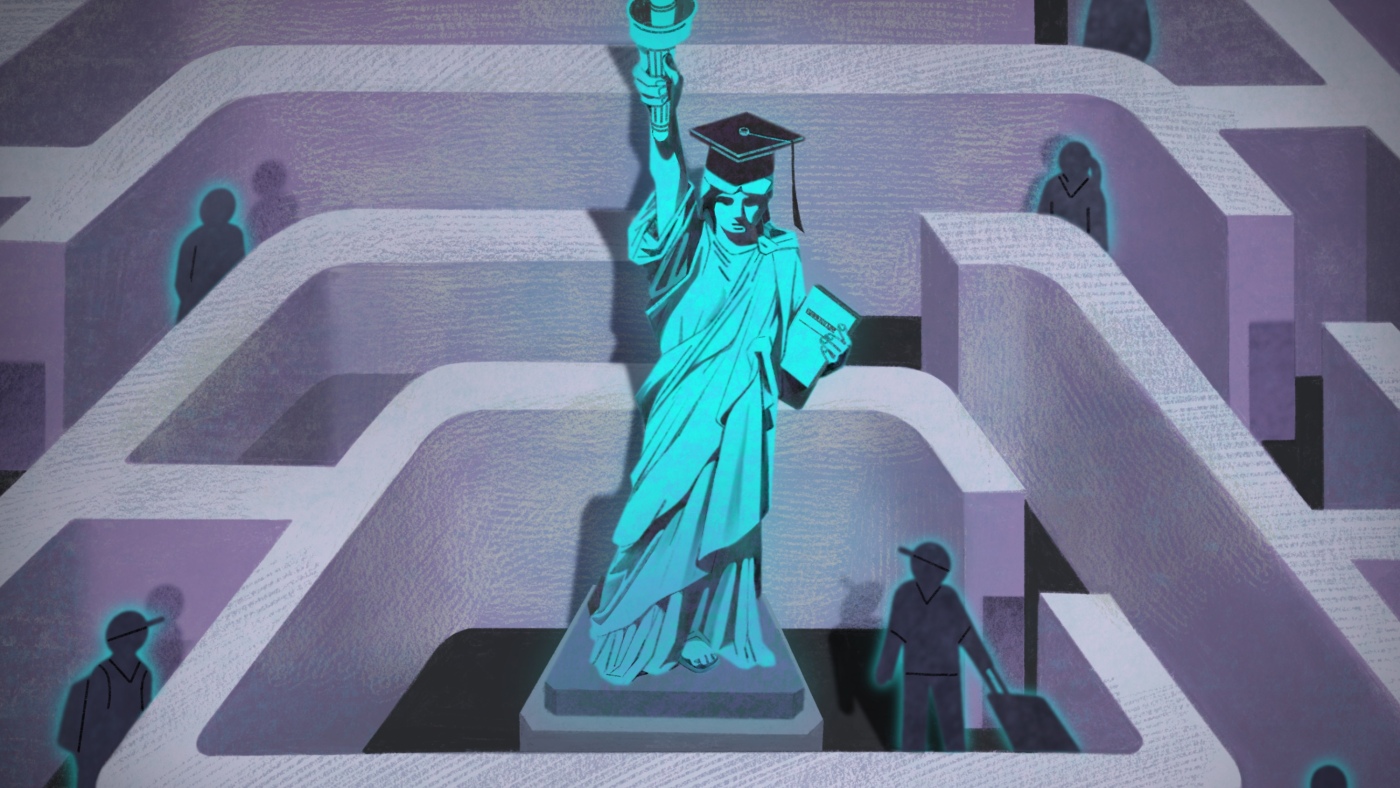
Visa Challenges Impact International Student Enrollment at U.S. Universities
This semester, the University at Buffalo noticed a significant drop in its international student population, welcoming approximately 750 fewer students from abroad than anticipated. The decline highlights a broader trend affecting numerous universities across the United States, with many facing similar reductions.
Despite these challenges, the university’s dean of students, Tomás Aguirre, expressed gratitude to those who managed to arrive, stating, “We know you have had to overcome hurdles to be here – especially this summer, with visas. And I just wanted you to know that we are so glad you were able to make it.”
The sentiment resonates with many students, such as Daria Tofan from Romania, who received her student visa just a week before orientation. Reflecting on the ordeal, Tofan described the experience as “awful.”
Over recent months, the Trump Administration’s tightening of international student visa processes, including pauses and revamps of interview procedures, has led to substantial delays. As a result, many students could not secure embassy appointments in time for the fall semester.
Shivika Sing, a freshman from New Delhi majoring in psychology, shared her concerns: “I only had one goal from the beginning, it was to go to college here, so if I didn’t reach that goal it would have been very painful.” Many of her peers from India are now opting for the U.K. or deferring to the spring semester due to the visa situation.
International Student Enrollment Declines Nationwide
The University at Buffalo’s 15% drop in international student numbers primarily affects graduate programs, especially in STEM fields. This trend is not isolated to Buffalo. Universities in states such as Arizona, Texas, Missouri, and Illinois have reported similar declines. Massachusetts is bracing for about 10,000 fewer international students this year.
Fanta Aw, leader of the Association of International Educators (NASFA), commented on the situation, noting, “One would describe the situation with international students to be very much in flux with tremendous levels of uncertainty.”
International students have historically contributed over $43 billion to the U.S. economy annually. However, NASFA predicts a potential drop of 150,000 new students this fall, possibly leading to a $7 billion economic loss and over 60,000 job cuts.
Federal Visa Policies and Their Impact
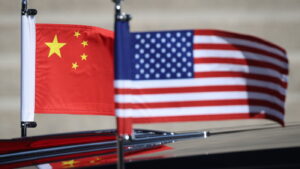
The Trump Administration’s stance on student visas has been mixed. While the State Department has revoked approximately 6,000 student visas this year due to concerns over academic espionage and other issues, recent comments from President Trump suggest a willingness to increase the number of Chinese students in the U.S. “I like that their [China] students come here. I like that other countries students’ come here. And you know what would happen if they didn’t? Our college system would go to hell very quickly,” Trump remarked.
Despite these statements, some conservative leaders and President Trump emphasize ensuring that foreign students do not take spots from American citizens. However, Scott Webber, Provost at the University at Buffalo, reassures that their international students do not displace qualified domestic students.
Economic and Cultural Contributions of International Students
International students not only bring financial benefits, often paying full tuition, but they also enrich campus culture. “What they bring to the university is this incredibly rich, diverse cultural experience for students who may not have ever been outside of New York state,” Webber explained.
Students like Shivika Sing, who navigated the visa process successfully, are now settling into campus life, focusing on academics and personal adjustments. “I bought a pink Lilo & Stitch soft toy to sleep with,” she shared, highlighting the small comforts that help ease homesickness.