New Podcast Aims to Deepen Conversations on Pregnancy and Life
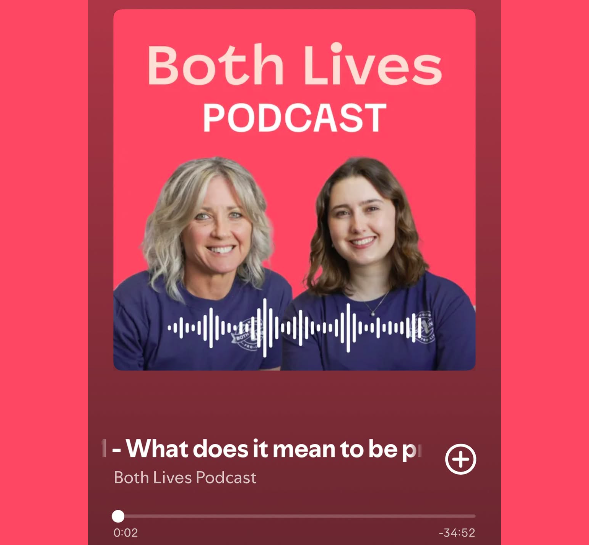
In an effort to broaden the dialogue surrounding pregnancy and the sanctity of life, the Evangelical Alliance has introduced an innovative podcast. Titled the Both Lives Podcast, it is designed to explore the nuances of valuing both women and unborn children.
Hosted by Dawn McAvoy, the UK lead of the Both Lives movement, this podcast seeks to unite experts from various fields such as theology, medical services, and law. The discussions aim to provide a comprehensive view of the challenges and considerations involved in valuing life.
The inaugural season features notable guests like Dr. Dermot Kearney, a consultant cardiologist from the North East, who was temporarily suspended by the General Medical Council in 2021 for his involvement with abortion-reversal pills. Another guest, Carla Lockhart MP, is known for her criticism of abortion law reforms, stating that extending abortion access up to birth in all situations “is not care but extremism.”
The podcast endeavors to transcend the conventional pro-life versus pro-choice argument, promoting what McAvoy describes as “a more loving, hopeful story – one where the lives of both women and their unborn children are valued during and after pregnancy.”
Before the podcast’s release, McAvoy expressed her core belief: “At the heart of the Both Lives Podcast is a belief in the God-given dignity of every human life.”
Additionally, the podcast intends to examine the role of media and culture in shaping public opinion on abortion, creating a platform for pro-life perspectives that are often overlooked.
Starting September 11, audiences can tune in to the podcast on platforms such as Spotify, Apple Podcasts, and others.
This podcast launch coincides with a significant event in London, where over 10,000 individuals participated in the annual March for Life UK, marking the largest attendance since its inception.
The event attracted attendees from various backgrounds including churches, student groups, and pro-life organizations, culminating in a gathering at Parliament Square featuring speeches from influential Christian leaders, activists, and politicians.
Lockhart addressed the assembly, emphasizing: “If human rights mean anything they must be consistent, they must apply to all. If we are to see change, we must each play our part.”
Isabel Vaughan-Spruce, co-director of March for Life, urged participants to reflect on the cultural discourse surrounding abortion: “Priceless human beings or worthless bits of tissue – what do you believe and, more importantly, how will you respond?
“These two worldviews cannot co-exist. They can’t both be right. Pick your side but remember what they say – the fence belongs to Satan.”
Despite facing counter-protests and other demonstrations in central London, the event was described by organizers as peaceful, joyful, and united.
Vaughan-Spruce was encouraged by the large turnout and the personal advocacy stories that surfaced during the event.
Among the notable Christian figures present were evangelist Glen Scrivener, theologian Dr. Aaron Edwards, and Andrea Williams, CEO of Christian Concern.
Dr. Edwards viewed the march as “an important public witness in the hope of having the stain of abortion removed from our land,” while Scrivener remarked on the growing awareness of the issue: “Most people haven’t even begun to consider the scale of the issue. Globally, we kill more people in utero than who die ex utero.”
Ben Thatcher, co-director of March for Life, commented on the increasing momentum of the movement: “More and more people are recognising the reasonableness and consistency behind the pro-life movement.
“For us to care about human rights in any capacity we must start by valuing life itself and that means the right to life of all – no one is too small, too young or too dependent that their life is not valuable, and that right needs to be protected in law.”
This article was originally written by www.christiantoday.com