

Economic Consequences of Immigration Raids in Chicago: A Closer Look
The economic landscape of Chicago took a significant hit following the implementation of stringent immigration enforcement measures in early 2025. A recent study highlights how these actions have substantially impacted local businesses, causing a loss exceeding $1.26 billion.
The report by the University of Illinois Chicago delves into the economic impact using anonymous cellphone GPS data to monitor movements in immigrant and non-immigrant neighborhoods. It was found that with President Donald Trump’s inauguration on January 20, 2025, rumors of impending Immigration and Customs Enforcement (ICE) raids led to a marked decline in traffic between these communities.
Co-author of the study, Professor Matt Wilson, observed that the economic repercussions extended beyond immigrant areas. The report estimates losses of about $1.26 billion in retail and restaurant sectors within non-immigrant neighborhoods and a $107 million drop in state tax revenue.
“We see a 9% drop in retail and a 10% drop in restaurant visits, and it persisted for about a year,” Wilson explained to NPR. He noted the city has not yet recovered, indicating a long-term shift in consumer behavior after January 20, 2025.
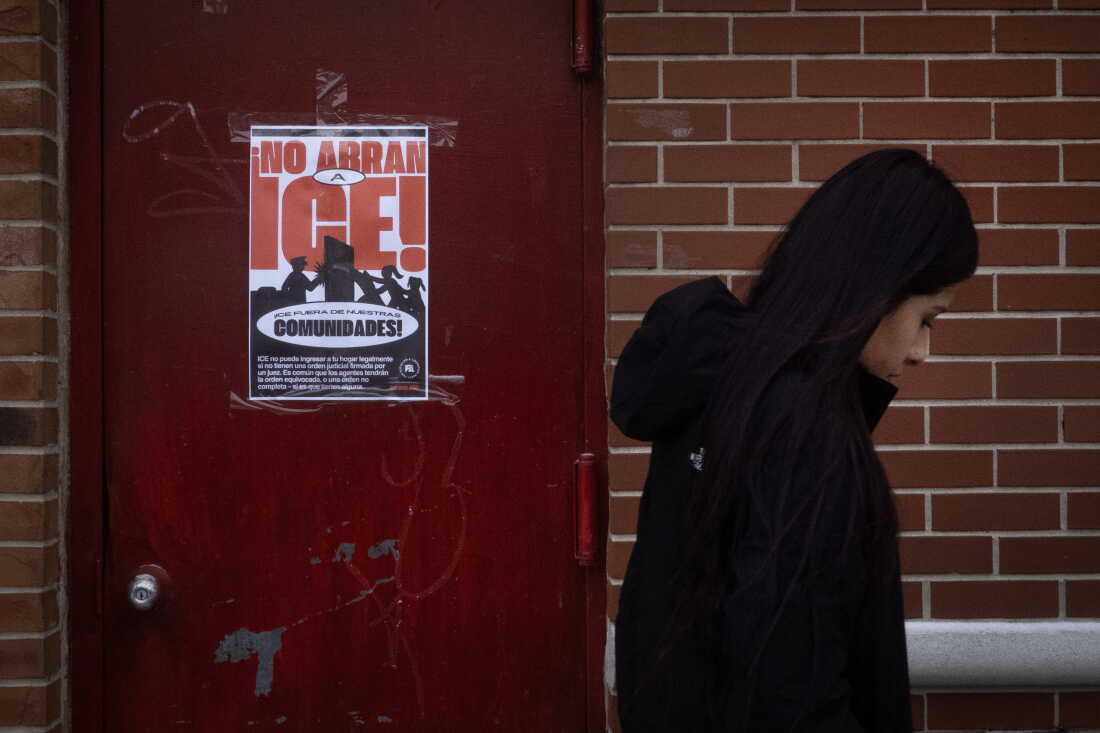
Scott Olson/Getty Images
The study challenges the perception that immigrant communities are isolated. “I think a lot of people treat Latino and some immigrant communities as if they’re insular and isolated,” Wilson stated. “But it’s really that these communities are much more integrated into the broader economy, and they are making trips to faraway places in the county, routinely.”
The fear surrounding the 2025 inauguration was evident. “I have to go grocery shopping, but I haven’t. What if ICE is there?” expressed a waitress named Caridad, who spoke to NPR on the condition of anonymity due to safety concerns. “People are more than afraid, they’re panicking.”
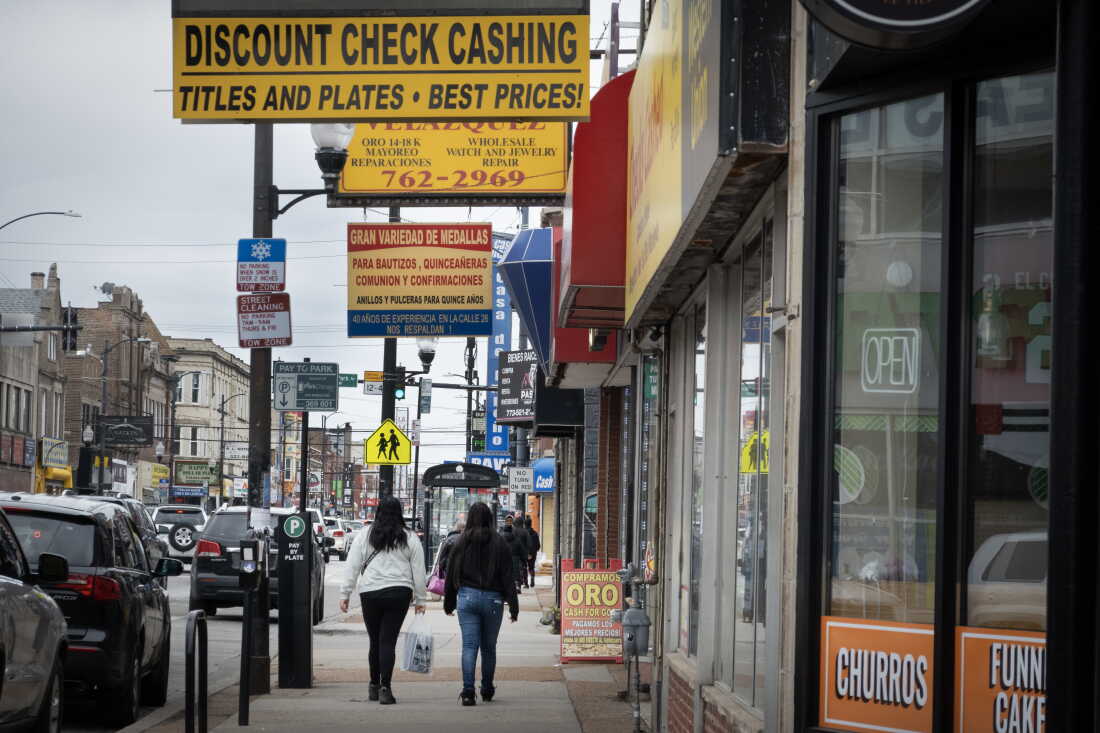
Scott Olson/Getty Images
Following these crackdowns, the U.S. has seen hundreds of thousands of arrests, with the immigration detention population currently at approximately 65,000 people.
The White House defended the enforcement strategy, stating, “Removing these criminals from the streets makes communities safer for business owners and customers. Nearly 70% of ICE arrests are of illegal aliens charged or convicted of a crime in the U.S.” However, ICE’s own statistics indicate that about 70% of detainees lack criminal convictions.
The findings highlight a broader trend, as noted by research from the Brookings Institution, which reported similar economic impacts in high-enforcement states, including a 1.7 percentage point drop in consumer spending.
In Minneapolis, the city estimates ICE enforcement sweeps caused nearly $700 million in economic damage, with small businesses losing over $81 million in January alone.
This article was originally written by www.npr.org





Comments are closed.