New York City Considers Aligning Local Elections with National Election Dates
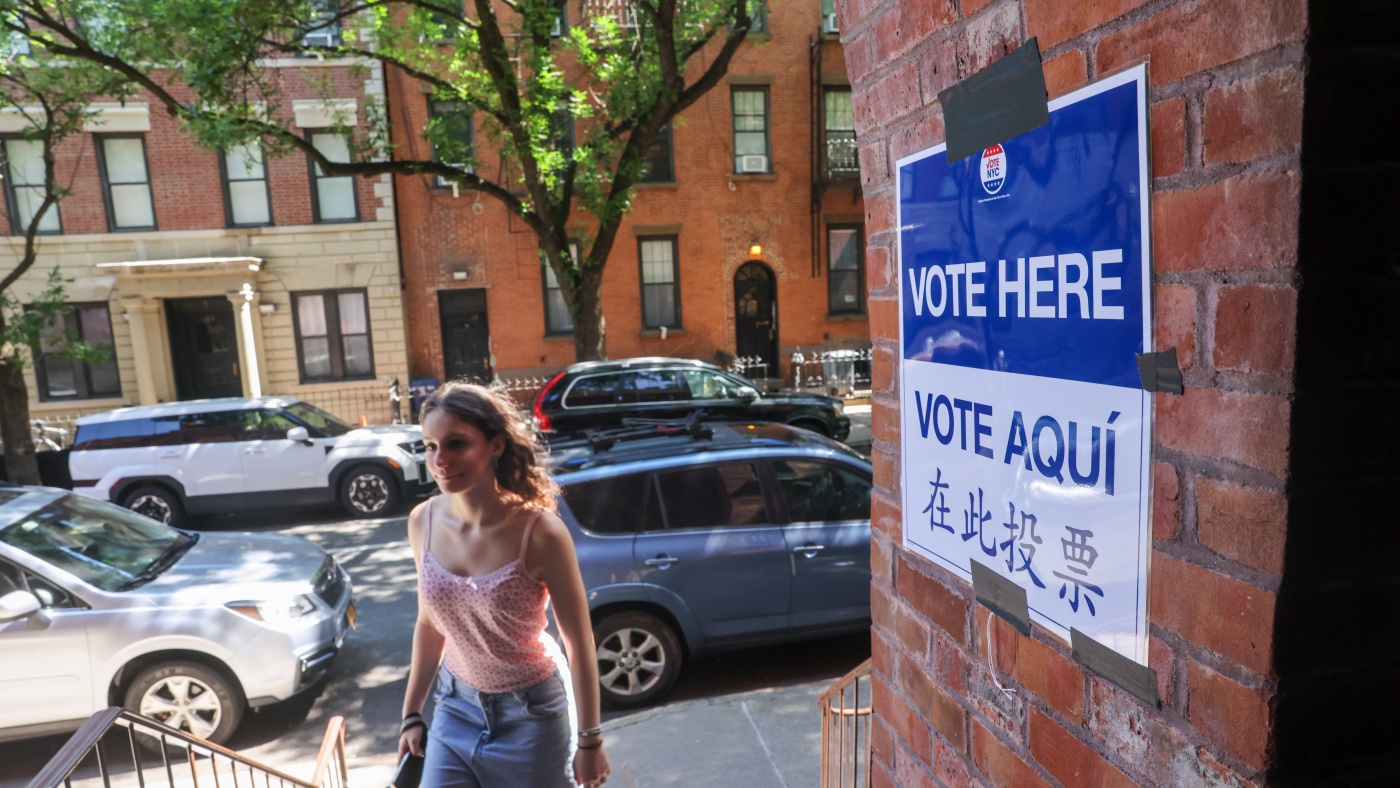
As New York City’s mayoral race captures significant attention this fall, voters are also poised to decide on a pivotal ballot proposal that may shift city elections to coincide with even-numbered years. This proposal is part of an expanding initiative to synchronize local elections with federal election cycles.
The aim of this movement is to tackle the issue of low voter turnout in local elections, although there are concerns about the potential overshadowing of local issues and candidates. Katy Owens Hubler, director of elections and redistricting at the National Conference of State Legislatures, points out that most local elections, such as city council and school board races, are currently held “off-cycle,” not aligning with federal elections.
“So, all throughout the year, you know, any given Tuesday, there’s probably an election somewhere in the country,” Hubler stated.
Approximately one-third of states allow local officials the discretion to determine their election timing, with many opting for odd-numbered years. According to Zoli Hajnal, a political science professor at UC San Diego, this choice often stems from a desire to avoid local issues being overshadowed by larger state and national races.
A Major Push for Reform: Addressing Low Voter Turnout
Holding local races in odd-numbered years has led to “extremely low” turnout, a situation that has deteriorated over the decades, Hajnal notes. He suggests that aligning local elections with federal ones is the most effective way to boost participation.
Hajnal uses Las Vegas as an example, where turnout surged from an average of 37,000 voters to over 244,000 when local elections were synchronized with national cycles in 2019.
Another benefit of this alignment, Hajnal adds, is the expansion and diversification of the electorate, bringing in more young voters and increasing participation among racial and ethnic minorities.
Financial Implications of Election Consolidation
Efforts to increase voter turnout have typically been championed by the political left. However, conservative groups like the American Legislative Exchange Council (ALEC) also support election consolidation, viewing it as a cost-saving measure. Katie Thompson from ALEC highlights the high costs local governments face when conducting separate elections.
Thompson states, “Even when you’re looking at the volunteers required to staff elections, it is way harder to get the personnel you need during off-cycle years.”
This year, 29 states have introduced legislation to consolidate election dates, with 12 states enacting such laws. This includes states with diverse political leadership, such as Washington and Indiana.
In New York City, passing the ballot measure would necessitate a state constitutional amendment to take effect.
Challenges with Consolidation: The Issue of Longer Ballots
While consolidating elections can lead to longer ballots, potentially causing longer wait times and voter fatigue, Hajnal believes the increase in voter participation outweighs these concerns. He acknowledges some “ballot drop-off” but maintains that the overall boost in participation far exceeds the drawbacks.
Thompson argues that the convenience of filling out a longer ballot in a single election cycle outweighs the inconvenience of multiple separate elections.