Jimmy Kimmel’s Return Sparks Debate on Free Speech and Late-Night TV’s Relevance
After a brief suspension, Jimmy Kimmel’s return to his ABC show has reignited discussions about free speech and the cultural significance of late-night television. Though some view his comeback as a victory for free expression, others see it as evidence that late-night hosts like Kimmel still hold sway over audiences.
Kimmel’s suspension, prompted by comments about supporters of Trump’s MAGA movement, coincided with a wider discourse about the relevance of late-night television in today’s media landscape. Despite declining ratings and the rise of digital content, Kimmel’s return episode drew significant attention, suggesting that late-night TV still has a place in public discourse.
The Power of Collaboration Among Late-Night Hosts
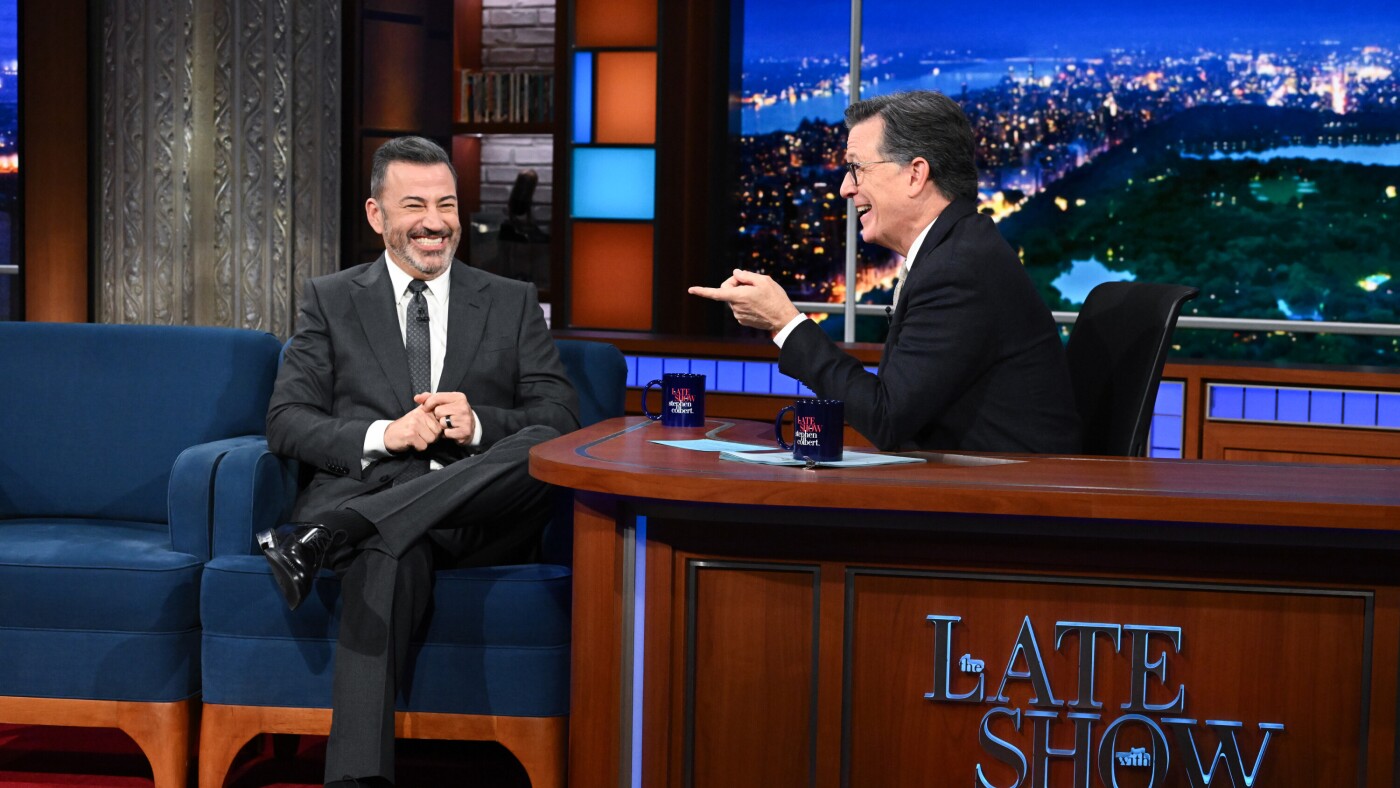
In a show of solidarity, Kimmel recently joined forces with fellow late-night hosts Stephen Colbert and Seth Meyers in New York. Their camaraderie highlights the enduring appeal of late-night television as a platform for political commentary and entertainment.
These hosts have become vocal critics of Trump-era policies, with their shows often serving as a counterbalance to the political landscape. Kimmel’s recent suspension and subsequent return have only intensified their commitment to addressing pressing issues through satire.
Public Support and Media Backlash
Kimmel’s suspension drew widespread public support, with over 400 artists, including Tom Hanks and Meryl Streep, signing a petition from the American Civil Liberties Union. Celebrities like John Oliver and Howard Stern also encouraged fans to cancel subscriptions to Disney-owned services in protest.
Even former President Barack Obama weighed in, labeling the situation “government coercion” and urging media companies to resist such pressure. The public’s response underscores the importance of protecting free speech in media.
Rethinking Late-Night TV in the Digital Age
As late-night TV faces challenges from digital content platforms, Kimmel’s experience offers a lesson in adaptation. Late-night shows must evolve by embracing new media formats and meeting audiences where they are, whether through viral moments or social media engagement.
Historically, late-night TV has thrived by reinventing itself, from Steve Allen’s early days on “The Tonight Show” to Jon Stewart’s transformative work on “The Daily Show.” Today’s hosts are tasked with continuing that legacy while addressing modern societal issues.
The Future of Late-Night Television
As late-night hosts unite in the face of external pressures, they have an opportunity to redefine their role in today’s media landscape. By fostering collaboration and innovation, they can ensure that late-night TV remains a vital part of American culture.
Ultimately, the resilience of hosts like Kimmel, Colbert, and Meyers, along with support from their audiences, may revitalize the genre and attract a new generation of viewers eager for voices that challenge the status quo.
“`