A Surge in Deaths Marks a Critical Year for ICE Detention Centers
The U.S. Immigration and Customs Enforcement (ICE) has reported its highest number of deaths in custody since the early 2000s. This increase coincides with a growing number of detainees, raising concerns about the conditions within detention facilities and the challenges of providing adequate care.

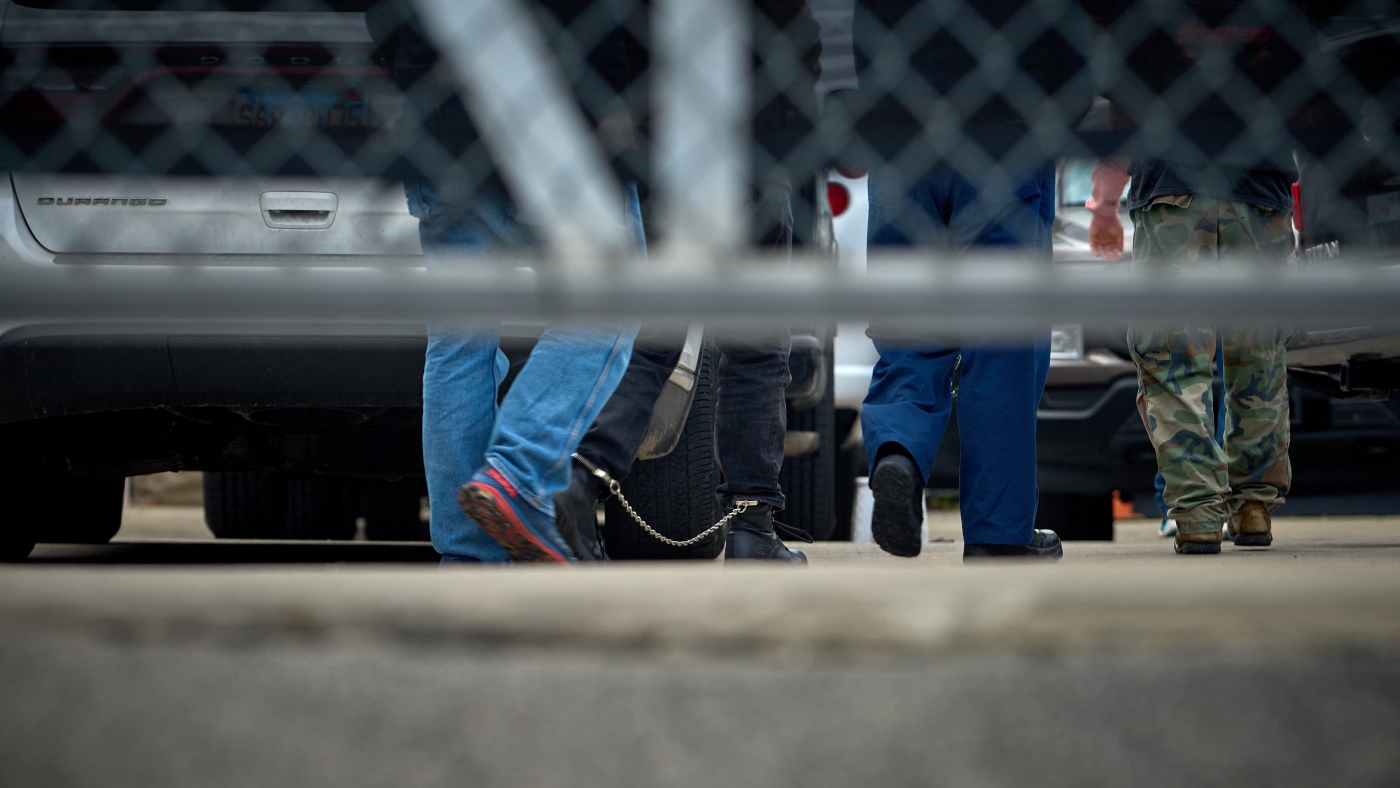
People detained by federal agents walk into a suburban Chicago ICE Detention Center in Broadview, IL on Sept. 19. Dominic Gwinn/Middle East Images via AFP/Getty Images
In 2025, at least 20 individuals have died in ICE detention, the highest number since 2004 when 32 deaths were recorded. This year, ICE is detaining almost 60,000 people, a significant increase from previous years.
Former officials attribute the spike in deaths to overcrowding, inadequate oversight, and insufficient medical staffing. Peter Mina, a former ICE deputy officer, highlighted the risks associated with such systemic challenges, stating, “And that just places risk all across the system, including, unfortunately, individuals in detention facing medical conditions that might result in their death.”
ICE received approximately $70 billion for hiring additional staff and expanding detention facilities. Despite this, reports of unsanitary conditions and limited healthcare access continue to surface. These issues are compounded by the agency’s strategy to increase arrests in U.S. communities and streets, leading to a diverse detainee population with varied health needs.
“With that kind of spike in population, there’s going to be a need for additional staffing both on the medical and mental health side, as well as even from an officer standpoint,” Mina noted. However, ICE has consistently faced challenges in recruiting medical professionals, especially in remote locations.
Former ICE official Claire Trickler-McNulty pointed out the differences in detainee origins, emphasizing that those arrested on the streets might have unknown or untreated health issues. “Whereas when you pick somebody up on the street, it’s a lot of unknowns,” McNulty said.
Tricia McLaughlin, a DHS spokesperson, assured that detainees receive comprehensive medical screenings and access to health services. However, the ongoing government shutdown has halted operations of the Office of Detention Oversight, raising concerns about the continuity of detainee care.
Among the recorded deaths, causes range from tuberculosis and strokes to possible suicides. Facilities like Eloy Federal Contract facility, Krome Services Processing Center, and Stewart Detention Center have reported the highest number of deaths, according to a 2021 DHS report.
DHS is actively recruiting healthcare workers to address these challenges, as McLaughlin noted the necessity to “hire more medical professionals” in light of expanded detention space. The increase in ICE’s capacity has been supported by significant funding from the current administration.
As the agency navigates these complexities, Mina reflected on the broader implications: “The real question is: In a given case, were there circumstances or actions taken or not taken that suggest that that death may have been preventable?”