Inflation Data Sparks Anticipation of Federal Reserve Rate Cut
In a surprising twist, the latest inflation figures released by the U.S. Bureau of Labor Statistics (BLS) indicate a slower-than-expected increase in consumer prices for September. This development comes as policymakers and economists closely monitor inflation trends to gauge the Federal Reserve’s next move on interest rates.
According to the report, consumer prices experienced a 3.0% rise over the past year, slightly below what experts had forecasted. This follows a modest 0.3% month-to-month increase in September, compared to August’s 0.4% rise.
With this data in hand, many are speculating that the Federal Reserve may opt for another quarter-point interest rate cut at its upcoming policy meeting. This would mark the second consecutive reduction in rates, as the Fed aims to navigate inflation that still surpasses its 2% target.
Wells Fargo economist Nicole Cervi weighed in on the situation, stating, “Even if the monthly inflation data came in softer than expected,” the underlying trend is that “inflation remains persistent.”
The release of this inflation data was notably delayed by nine days due to a government shutdown, during which many BLS employees were furloughed. However, a select group of BLS workers was brought back to ensure the publication of this critical report, essential for calculating the annual cost-of-living adjustment (COLA) for Social Security beneficiaries.
Following the report, the Social Security Administration announced a 2.8% increase in payments for recipients, translating to an approximate $56 monthly boost starting in January. While this adjustment exceeds last year’s 2.5% increase, it falls short of the decade’s average of 3.1%.
Jim Pedersen, a retired autoworker and president of the Michigan Alliance for Retired Americans, commented on the COLA adjustment, expressing concerns over rising healthcare costs that disproportionately affect seniors. “That’s better than nothing … but there’s so many more things that need to get fixed,” he remarked.
Pedersen highlighted that seniors typically spend more on health insurance and prescriptions than their younger counterparts, with healthcare costs continuing to surge faster than the overall inflation rate. Medicare premiums are expected to rise by over 11% next year, as reported by AARP.
“So they’re going to outstrip that 2.8% really fast,” he cautioned.
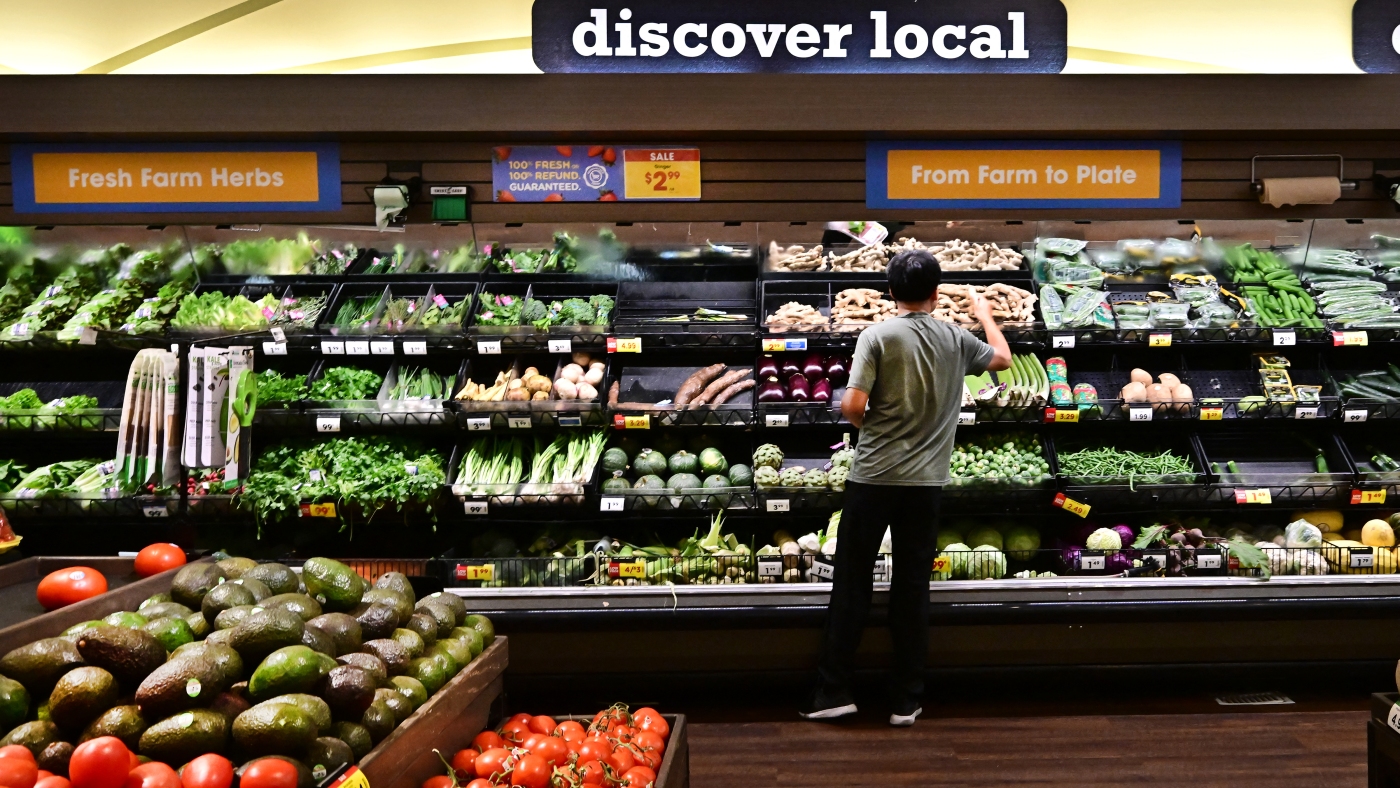
The inflation report’s foundation relies on price checks across numerous goods and services nationwide, conducted in September. While tariffs contribute to rising prices of imported goods, housing costs—a significant component of inflation—have shown some moderation.