U.S. Airports Face Flight Reductions Amid Ongoing Government Shutdown
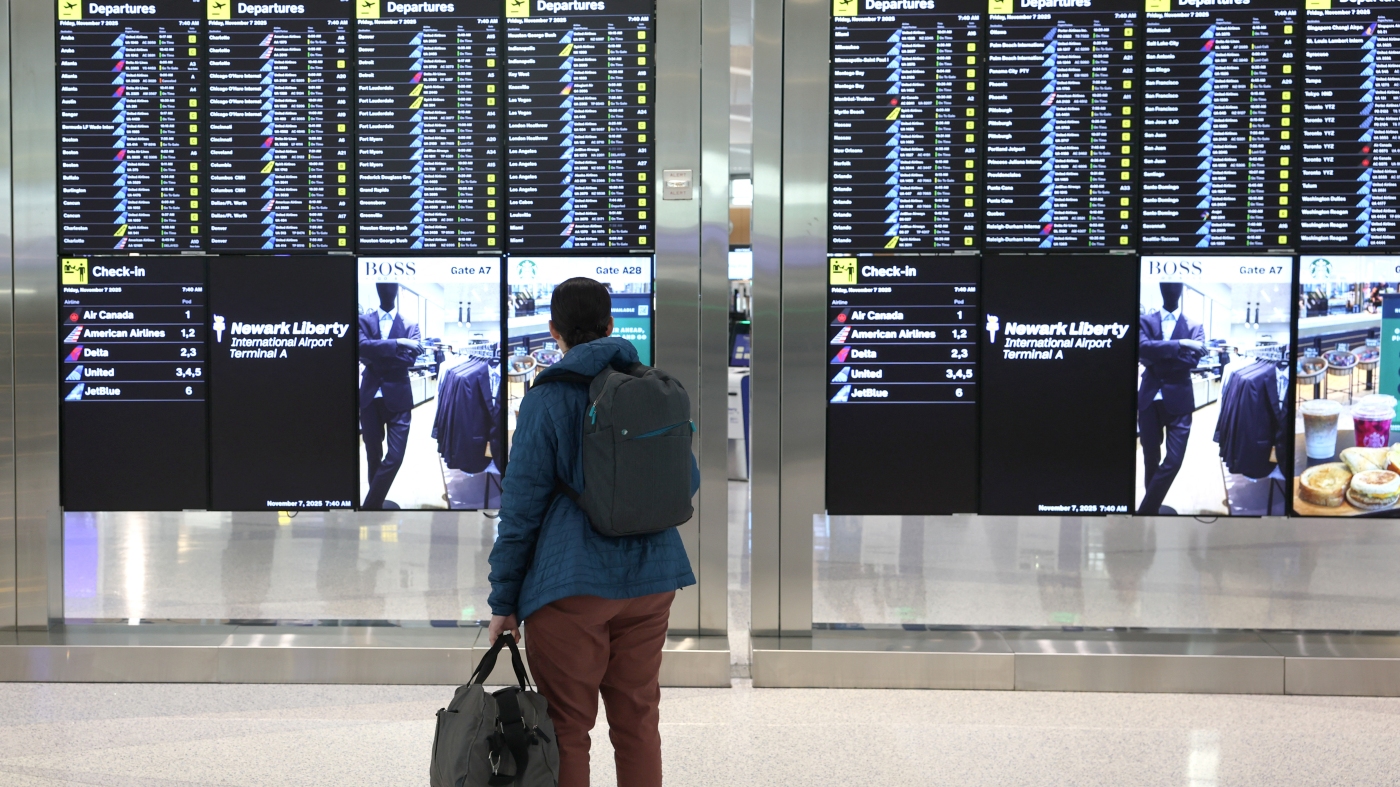
The government shutdown, now the longest in U.S. history, has led the Trump administration to take significant measures at airports nationwide. Starting Friday, the Federal Aviation Administration (FAA) is implementing flight reductions at 40 major airports, aiming to alleviate the strain on unpaid air traffic controllers.
According to the Federal Aviation Administration, the decision is a response to the escalating staffing shortages impacting air traffic controllers. This workforce has been operating without pay for more than a month as the shutdown continues.
These changes are expected to intensify delays and disruptions at airports already experiencing issues. “It does have the potential to be quite disruptive, even though the vast majority of flights are still going to operate as scheduled,” remarked Nick Ewen, senior editorial director of The Points Guy travel website.
The initial flight cancellations on Friday account for a 4% reduction, with plans to increase this figure to 10%, equivalent to approximately 4,400 flights daily by next Friday if the shutdown persists.
Impact on Airlines and Passengers
Major airlines are striving to mitigate disruptions by offering customers increased flexibility for changing or refunding tickets, even if their flights remain operational. “Travelers that are flying this weekend into next week, they have to be flexible and ready to pivot if things go wrong,” advised Ewen.
Factors such as aircraft size, passenger load, and flight route will influence the likelihood of cancellations. Airlines are prioritizing flights with the least disruption potential, ensuring alternative travel options for affected passengers. Notably, carriers like United, Delta, and Alaska assert their international operations will remain unaffected.
Advice for Travelers
Passengers are encouraged to install airline apps and enable notifications to receive timely updates on any changes. Ewen emphasized that “a little kindness goes a long way” when dealing with airport staff in stressful situations.
Handling Cancellations
In the event of cancellations, Ewen suggests rebooking promptly through various channels, such as the airline’s app or customer service. “If you’re on a plane with 100 passengers that gets canceled, that’s 100 people that have to be accommodated,” he noted.
Customers affected by cancellations are generally rebooked on the next available flight, with options to cancel for a refund under Department of Transportation rules governing significantly delayed or canceled flights.
Future Travel Plans
Given the current uncertainty, Ewen advises those with flexible plans to consider rescheduling. For travelers planning trips during the upcoming Thanksgiving season, he recommends proceeding with caution and exploring travel insurance options.
Most standard travel insurance policies may not cover disruptions caused by the ongoing shutdown, making airlines’ flexible policies beneficial for consumers. Ewen concluded, “If we can get things dealt with, hopefully we’ll be able to avoid some of the major issues during Thanksgiving week. But again, that just remains to be seen.”