States Grapple with SNAP Funding Amidst Legal and Political Turmoil
Across the United States, state governments face a renewed challenge as they attempt to navigate the complexities of delivering food assistance to families in need. This struggle comes in the wake of a U.S. Supreme Court order and directives from the Trump administration, both of which create a tangled web of compliance issues.
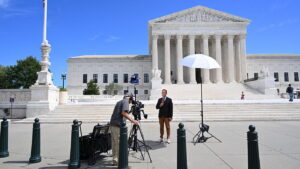
On Saturday, officials from the Trump administration instructed states to “immediately undo” any actions taken to fully fund the Supplemental Nutrition Assistance Program (SNAP). This directive is part of an ongoing clash of legal and political forces. Just last week, a federal judge in Rhode Island mandated that the Trump administration fully fund SNAP, accusing the government of withholding funds for “political purposes” and causing “needless suffering.” Consequently, the administration agreed to send the payments but simultaneously filed an appeal. The Supreme Court granted a request to pause these full payments pending further consideration by the appeals court.
The Trump administration has warned that states issuing full SNAP benefits might have to cover those costs independently and could face financial penalties. According to a statement from the U.S. Department of Agriculture (USDA), such payments are “unauthorized,” and distributing full benefits could lead to actions such as the cancellation of federal administrative cost shares and holding states accountable for any resulting over issuances.
The USDA directive requires states to reduce SNAP benefits by 35%, in line with prior instructions to comply with an earlier court order. This decision affects several states, including Rhode Island, where full benefits had already been distributed before the Supreme Court’s temporary halt.
In response, Rhode Island’s Democratic Governor Dan McKee condemned President Trump for creating chaos and “playing games with people’s ability to feed their families.” McKee is exploring contingency plans to shield Rhode Island residents from what he described as “President Trump’s volatility.”
Even before the administration’s threats, about two dozen states, including Rhode Island, sought protection from a federal judge in Massachusetts. In a brief filed on Saturday, these states expressed concern that the federal government might attempt to reclaim funds, potentially leading to “catastrophic operational disruptions” and a “cascade of harms” affecting their residents.
Although Trump administration officials have yet to comment, Secretary of Agriculture Brooke Rollins used social media platform X to accuse Democrats of causing the benefits lapse and criticized “activist judges” for their “reckless and unconstitutional legal maneuvers.”
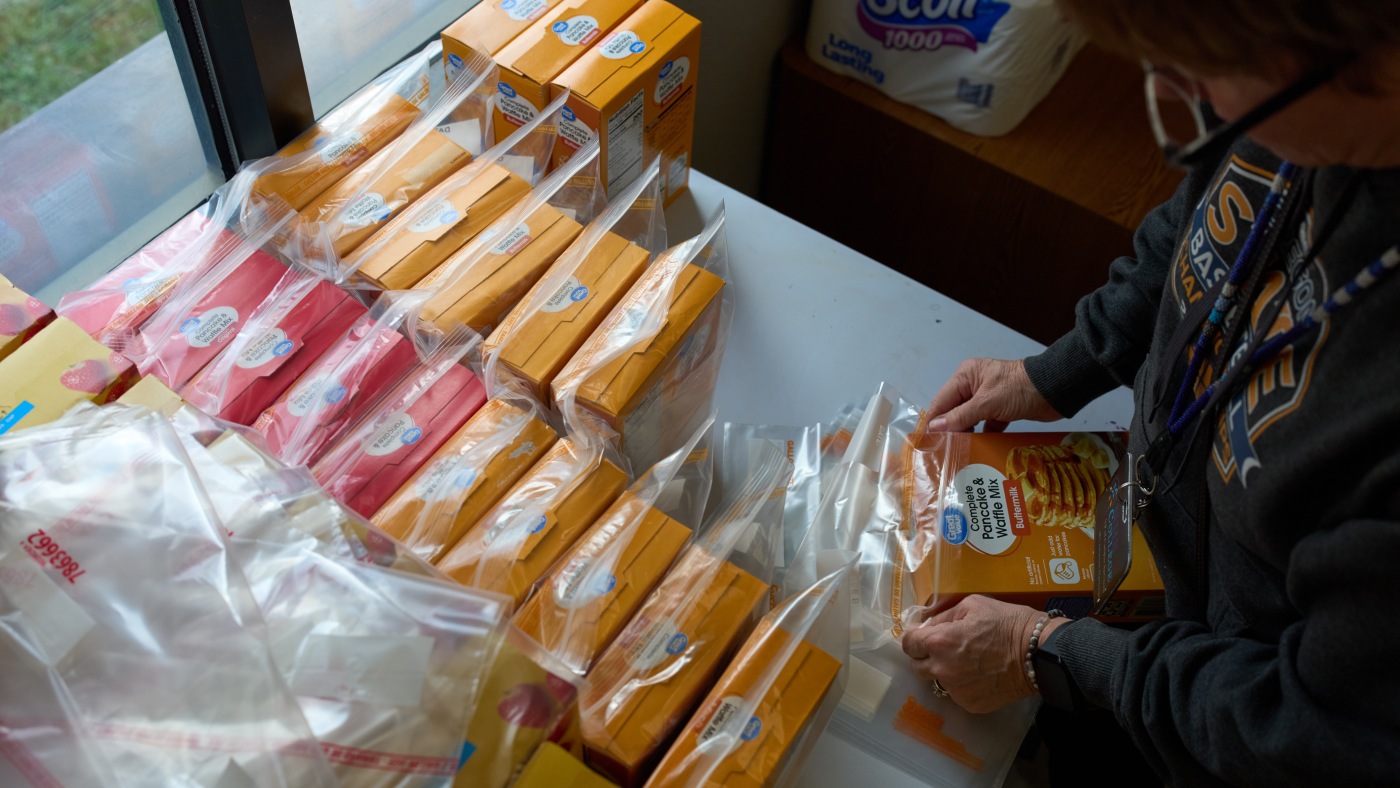
Meanwhile, SNAP recipients and service organizations remain in a state of uncertainty. The Facing Hunger Foodbank in Huntington, W.V., according to CEO Cynthia Kirkhart, has tripled its food distributions to meet the increased demand. “The news comes out that we are going to get SNAP benefits. Then, we aren’t going to get SNAP benefits. This is much worse. Folks get their hopes built up and then they crash. It’s a lot,” Kirkhart stated. “We can do better.”
Chandelis Duster contributed reporting.