Trump Administration’s Shift in Drug Interdiction Policy Raises Concerns
The Trump administration’s approach to combating drug trafficking has taken a dramatic turn, sparking debates over legality and effectiveness. Since September, the U.S. has executed approximately 20 strikes on suspected drug boats, resulting in over 75 deaths. Critics question the legality and strategic merit of these actions.
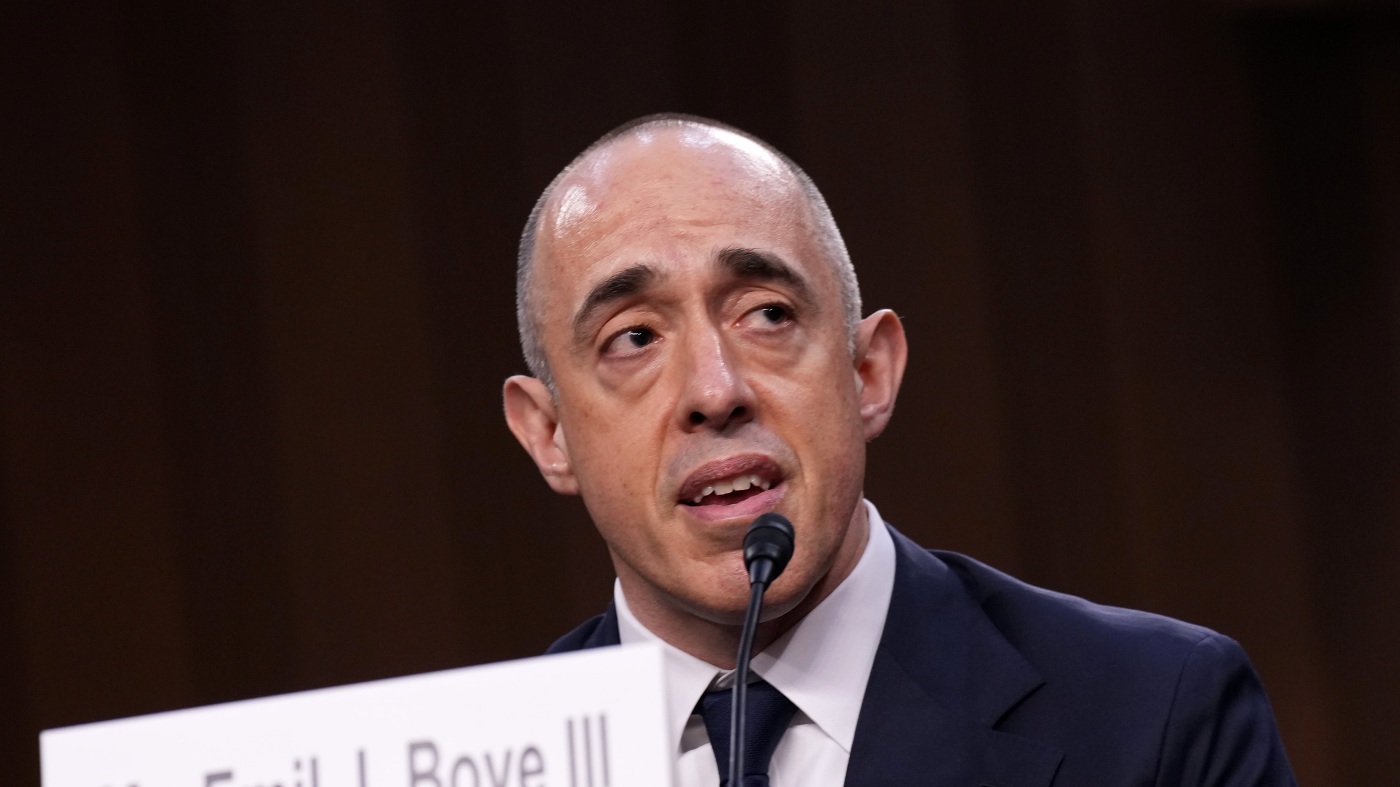
Emil Bove, a former acting Deputy Attorney General, hinted at this shift during a conference in February. According to individuals present, Bove suggested, “just sink the boats,” reflecting the administration’s new stance on maritime drug interdiction.
Previously, suspected drug vessels were intercepted, and their crews detained and prosecuted. However, the current strategy involves the use of lethal force against these boats, a move that has raised numerous legal and ethical questions.
Anonymous sources from within the government express concern over this policy’s implications. One former DOJ official noted, “There’s an awful lot of frustration with the administration abandoning what has been one of the most effective ways of going after organized crime.” The shift from interdiction to destruction leaves gaps in intelligence gathering, as detainees often provide crucial information about drug networks.
Legal and Strategic Implications
The Justice Department has yet to publicly present evidence or legal justification for these actions. While administration officials argue these strikes are necessary to curb drug flow into the U.S., skepticism remains about their effectiveness and true intent, with some suggesting the aim might be to challenge Venezuelan leadership.
The presence of increased U.S. military assets in the Caribbean, including the USS Gerald Ford, adds to speculation about broader geopolitical objectives. However, the administration insists that its focus remains on drug trafficking.
Intelligence Gathering Concerns
Traditional interdiction efforts relied on intelligence from various sources, including human informants and electronic surveillance. These methods enabled the U.S. Coast Guard to effectively intercept drug shipments. Now, the shift to lethal strikes may undermine these intelligence frameworks, reducing future operational efficacy.
Former officials warn that without human intelligence gathered from captured traffickers, the U.S. could lose valuable insights into cartel operations. As one senior DOJ official remarked, “Forgetting the philosophy of whether killing people is right or wrong, when you kill them you can’t talk to them.”
Future of Drug Interdiction
Despite the administration’s aggressive tactics, the overall impact on drug flow into the U.S. remains uncertain. Critics argue that these measures are not effectively reducing drug availability domestically. With the dismantling of OCDETF and the transfer of cases to new task forces, the long-term strategy remains unclear.
The ongoing debate highlights the complexity of addressing transnational drug crime and the need for a balanced approach that considers both legal and humanitarian perspectives.