The Georgia Case Against Trump and Allies Dismissed: A Detailed Overview
The conclusion of a significant legal battle in Georgia marks a pivotal moment in the ongoing saga of former President Trump and his associates. The case, centered around efforts to challenge the 2020 election results, has been officially dismissed, ending one of the most talked-about legal proceedings in recent history.
A Judge’s Final Word
Fulton Superior Judge Scott McAfee ordered the dismissal of the criminal case against Trump and his allies, stating, “The case is hereby dismissed in its entirety.” The decision comes after Pete Skandalakis, the executive director of the Prosecuting Attorneys’ Council of Georgia, took over the case from Fulton County District Attorney Fani Willis, who was disqualified.
In his motion to dismiss, Skandalakis argued, “The criminal conduct alleged in the Atlanta Judicial Circuit’s prosecution was conceived in Washington, D.C., not the State of Georgia.” He emphasized that the federal level was the proper jurisdiction for the case.
Trump’s Reaction and Legal Context
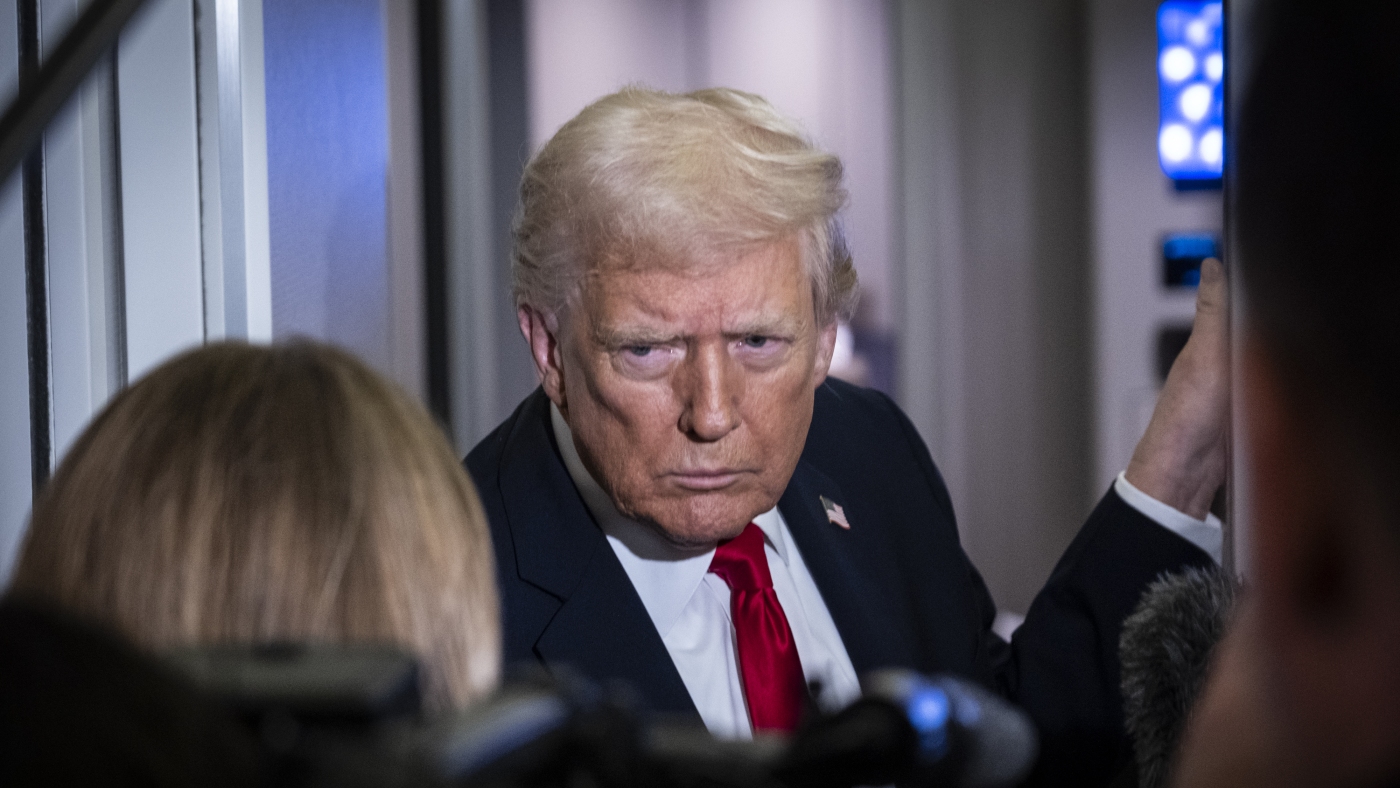
Following the dismissal, Trump took to social media, stating, “LAW and JUSTICE have prevailed in the Great State of Georgia, as the corrupt Fani Willis Witch Hunt against me, and other Great American Patriots, has been DISMISSED in its entirety.”
The Georgia prosecution was the last remaining criminal charge against Trump after federal cases were also dropped when he returned to the White House. These federal prosecutions were focused on the 2020 election interference and handling of classified documents.
The Indictment and Its Underpinnings
The indictment in Georgia was a significant legal action. In August 2023, a Fulton County grand jury indicted Trump and 18 others, including Rudy Giuliani and Mark Meadows, on racketeering charges related to efforts to overturn Joe Biden’s victory in Georgia. The case was partly based on a recorded call between Trump and Georgia’s Secretary of State, Brad Raffensperger, where Trump asked to “find” enough votes to reverse his loss.
Prosecutors alleged a conspiracy involving fake electors, unauthorized access to voting machine data, and pressure on state officials to alter the election outcome. After the indictment, Trump and his co-defendants were booked, though most pleaded not guilty, and some accepted plea deals.
Legal Debates and Controversies
The case faced hurdles, including a motion to dismiss due to an improper relationship between the district attorney and a special prosecutor. Despite acknowledging the relationship, Willis maintained it did not affect the case. Judge McAfee allowed her to continue only if the special prosecutor resigned, but the decision was overturned, removing Willis from the case.
Skandalakis, who took over as a special prosecutor, decided against continuing the prosecution, citing impracticality and legal arguments from Trump’s lawyers that the case couldn’t proceed until his term ended in 2029.
Implications and Reactions
Skandalakis indicated that while some charges could still be pursued, the logistics and timing were challenging. Legal experts, such as Georgia State University Law Professor Anthony Michael Kreis, voiced concerns about the impact on state justice roles and election accountability. Kreis argued the dismissal weakens legal deterrents against election interference.
Despite the dismissal, Skandalakis acknowledged the decision’s potential unpopularity. In his statement, he reiterated his commitment to justice, emphasizing that prosecutorial decisions should be guided by evidence and law, not public opinion.