Diplomatic Moves and Military Operations: U.S. Strategy in Venezuela Unfolds
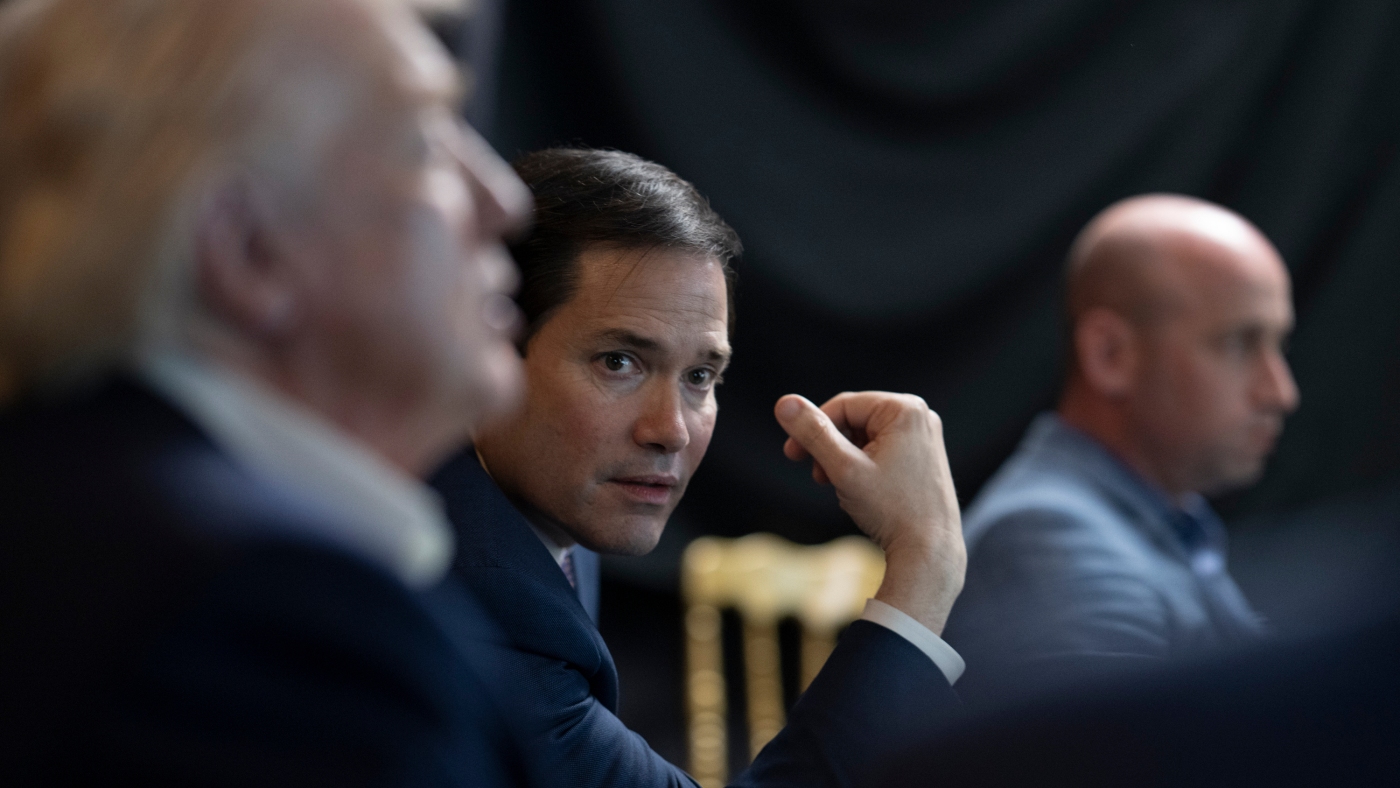
The United States has taken a strategic approach toward Venezuela, utilizing financial and military measures to influence the nation’s trajectory. U.S. Secretary of State Marco Rubio clarified on Sunday that the U.S. is not engaged in a war with Venezuela, but is utilizing financial influence over the allies of former President Nicolas Maduro.
In an interview on NBC’s Meet the Press, Rubio stated, “We want Venezuela to move in a certain direction because not only do we think it’s good for the people of Venezuela, it’s in our national interest.” Rubio, who also serves as President Trump’s interim national security adviser, highlighted the enforcement of an “oil quarantine” by U.S. naval forces near Venezuela’s coast as a key element of the strategy.
The U.S. military, alongside the Coast Guard, has been executing a law enforcement role, focusing not only on the capture of Maduro but also on enforcing sanctions. Rubio emphasized the significant leverage these measures provide, stating they are intended to continue until desired changes occur in Venezuela.
Since September, U.S. operations have targeted at least 35 alleged drug boats, resulting in over 115 casualties and the seizure of oil tankers near Venezuela. These actions mark the initial phase of U.S. policy toward Venezuela after a raid led to the capture of the country’s leader, as President Trump announced plans for the U.S. to “run” Venezuela.
Senate Intelligence Committee Chair Tom Cotton expressed support for pressuring Maduro’s remaining allies, notably mentioning interim President Delcy Rodríguez, who maintains control over military and security services. Cotton, speaking to CNN, underscored the importance of addressing this reality.
Meanwhile, President Trump, in an interview with The Atlantic, warned that Rodríguez would “pay a very big price” if non-cooperative, despite earlier claims of her compliance with U.S. plans.
Domestically, the Trump administration is expected to face opposition this week, particularly from congressional Democrats. Senate Minority Leader Chuck Schumer criticized the unauthorized Saturday military operation, emphasizing the necessity of congressional consultation. The administration defends the operation as a law enforcement action, with Maduro set to appear before a New York judge on Monday.
Schumer announced plans to vote on a war powers resolution this week, aiming to restrict Trump’s ability to initiate further actions in Venezuela without Congressional approval. Schumer stated, “If it’s voted positively in both houses, then the president can’t do another thing in Venezuela without the OK of Congress.”
Currently, Senator Rand Paul is the sole Republican publicly backing the resolution. This measure requires a simple majority in the Senate to pass, necessitating support from three additional Republicans to advance further. The extent of Republican support beyond Paul remains uncertain.