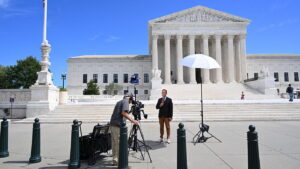
In a political landscape where strategic maneuvers often shape legislative outcomes, the discharge petition has re-emerged as a significant tool. Originally considered a relic of the past, this procedural tactic has gained renewed attention as a means to bypass the Speaker and bring certain bills to the floor for a vote.
Reviving a Dormant Strategy
Traditionally, the discharge petition languished in obscurity, overshadowed by more prominent legislative processes. However, recent initiatives have utilized this method to push forward bills that might otherwise stall. Notably, it has been instrumental in advancing legislation related to the Epstein files and extending Affordable Care Act (ACA) subsidies.
By enabling lawmakers to force a vote without the Speaker’s approval, the discharge petition serves as a powerful mechanism in the legislative toolkit. It requires the signatures of a majority of House members, making it a challenging but feasible option for pushing through popular or urgent measures.
Impact on Recent Legislation
The rejuvenation of the discharge petition underscores its potential to alter the course of legislative action. In the context of the Epstein files and ACA subsidies, this approach has effectively brought these issues to the forefront, demonstrating its capacity to influence the legislative agenda.

While the discharge petition remains a complex and seldom-used procedure, its recent applications highlight its enduring relevance in shaping policy debates and outcomes. As lawmakers continue to navigate a divided political environment, such strategies may become increasingly vital in achieving legislative goals.