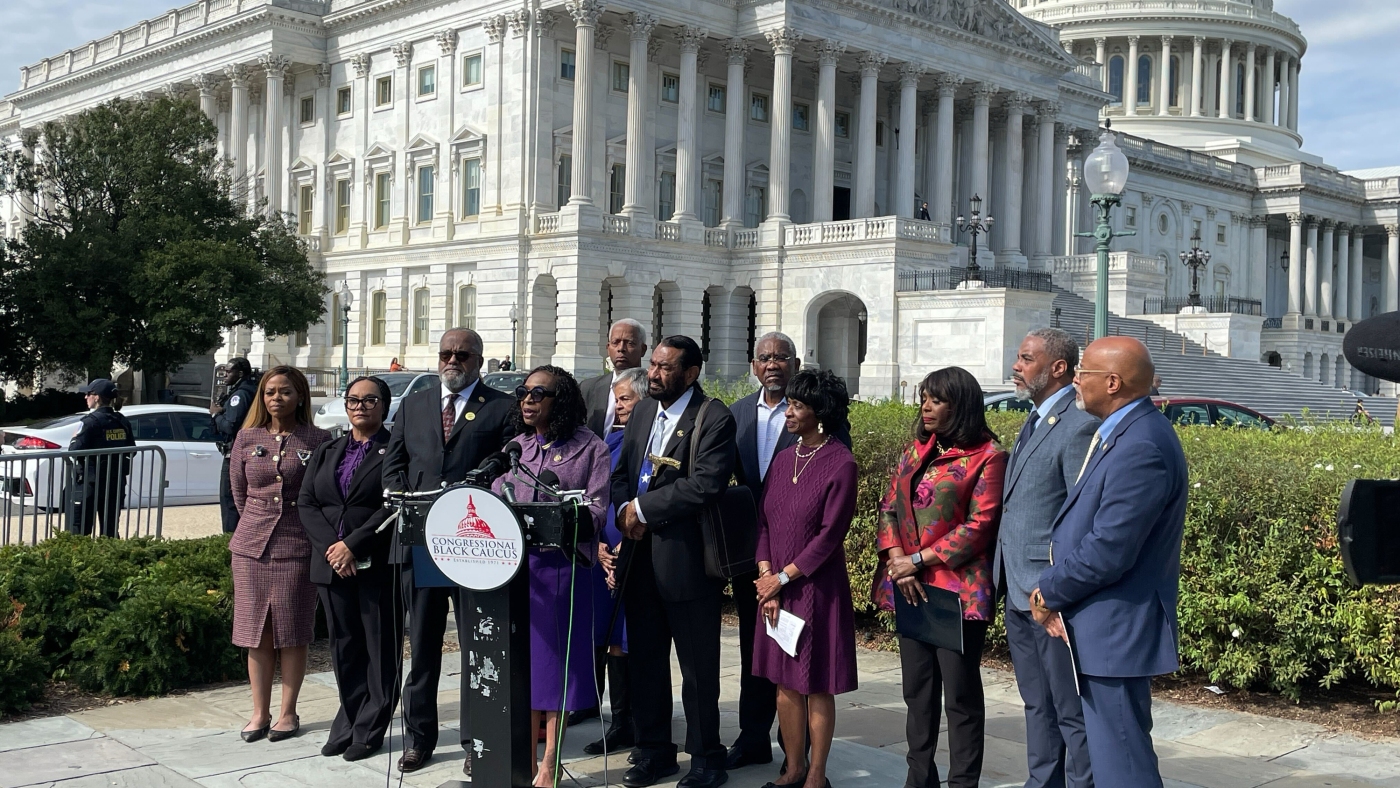
Potential Supreme Court Ruling Could Impact Black Congressional Representation
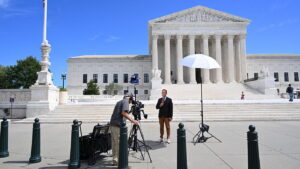
In a potentially historic shift, the United States may face an unprecedented decrease in Black congressional representation. This hinges on the Supreme Court’s pending decision on a pivotal redistricting case related to the Voting Rights Act.
The Voting Rights Act, a cornerstone of the Civil Rights Movement, has long safeguarded the electoral influence of racial minorities, significantly increasing the number of Black representatives in the House. In Southern states, where electoral lines often divide along racial and political lines, the Act’s Section 2 has been crucial in creating districts where minority voters have a substantial say in electing their candidates of choice.
However, during an October hearing on Louisiana’s congressional map, the Supreme Court’s conservative majority indicated a possible weakening of Section 2. This potential shift threatens at least 15 districts currently led by Black lawmakers, according to an NPR analysis.
States controlled by Republicans might not have to adhere to current redistricting rules, leaving the fate of several Democratic-represented districts uncertain. The ultimate decision will likely influence the number of Black representatives, with a historic reduction potentially occurring if even a few vulnerable districts are lost.
Historical Context of Black Representation in Congress
Black representation in Congress began in the post-Civil War era, specifically in 1870, when Black men first gained voting rights. However, discriminatory practices such as poll taxes and literacy tests severely curtailed these rights until the Voting Rights Act of 1965.
For nearly a century, Black-led districts remained minimal until 1969. Since then, numbers have risen steadily, now accounting for 63 districts or about 14% of the House. The Supreme Court’s decision in the Louisiana case will be pivotal in determining the future trajectory of this trend.
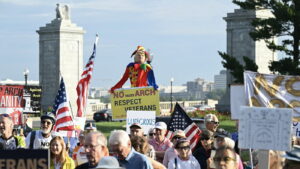
The case revolves around one of Louisiana’s two majority-Black districts, drawn by the state’s Republican-controlled legislature after a Section 2 lawsuit led by Press Robinson, a civil rights activist. Robinson expressed concerns that without Section 2 protections, Black political representation could be severely diminished.
The Broader Implications of a Section 2 Weakening
Weakening Section 2 could also adversely affect Latino representation and other minority groups. Katherine Tate, a political science professor at Brown University, notes that minority members in Congress are more likely to advocate for minority interests, thus highlighting the importance of diversity for fair representation.
Estimates from advocacy groups like Fair Fight Action and Black Voters Matter Fund suggest that up to 11% of the Congressional Hispanic Caucus and nearly 200 Democratic-held state legislative seats could be at risk, particularly in the South.
The implications of the Supreme Court’s ruling may unfold over several years, as states may choose to delay redistricting efforts. Lauren Groh-Wargo, CEO of Fair Fight Action, warns of a potentially rapid dismantling of Black representation.
Reflections on the Struggle for Fair Representation
Katherine Tate reflects on the Supreme Court’s historical role in shaping civil rights, drawing parallels to past decisions that eroded post-Civil War gains for Black citizens. The current case might similarly impact the legacy of the Civil Rights Movement.
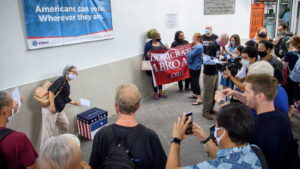
Press Robinson emphasizes the continuous struggle for voting rights, stating, “When it comes to voting rights and other rights for people of color, it’s always a fight.” His sentiment underscores the ongoing battle for equitable representation.
Edited by Benjamin Swasey