Controversy Arises Over African Union’s Reparation Demands
An ongoing debate has surfaced as the African Union demands reparations from Britain for its colonial past, with accusations of “cynical opportunism” being leveled by Nigel Biggar, an Anglican priest and former theology professor at Oxford.
While a specific amount has not been disclosed by the African Union, Biggar speculates that the financial request might surpass the £18 trillion sought by Caribbean nations. Biggar, who has penned a book on reparations, expresses skepticism about these demands.
In a piece for The Telegraph, Biggar critiques the narrative supporting these demands, calling it a “caricature of the historical truth.” He argues that the portrayal of helpless Africans at the mercy of British colonizers oversimplifies a complex history.
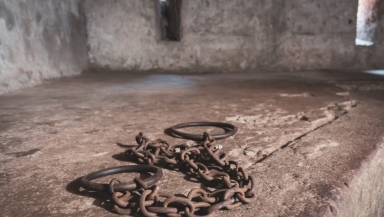
Highlighting the longstanding practice of slavery within Africa, Biggar points out that it existed since Roman times, with some African kingdoms heavily reliant on slave economies. The Sokoto Caliphate in present-day northern Nigeria is cited as a notable example.
According to historian Mohammed Bashir Salau, the Sokoto Caliphate was “one of the largest slave societies in modern history,” with a slave population comparable to that of the United States, numbering around four million.
Biggar emphasizes Britain’s efforts to atone for its involvement in the slave trade, noting its significant investment in eradicating the practice. In contrast, certain African kingdoms that benefited from slavery resisted such abolition efforts.
Regarding Nigeria’s colonization, Biggar suggests that British intervention was motivated by a desire to halt local attempts to revive slavery, rather than to acquire slaves for themselves.
Citing political scientists Chaim Kaufmann and Robert Pape, Biggar asserts that Britain’s global anti-slavery campaign was “the most expensive example [of costly international moral action] recorded in modern history,” costing the lives of approximately 1,700 British sailors.
Biggar describes this campaign as a “noble endeavour” with significant sacrifices in terms of lives and resources. He concludes with a cautionary note, describing the African Union’s reparation claims as opportunistic and urging leaders to prioritize an accurate historical narrative over virtue signaling.
This article was originally written by www.christiantoday.com