Controversy Surrounds £100 Million Reparations Plan by Church Commissioners
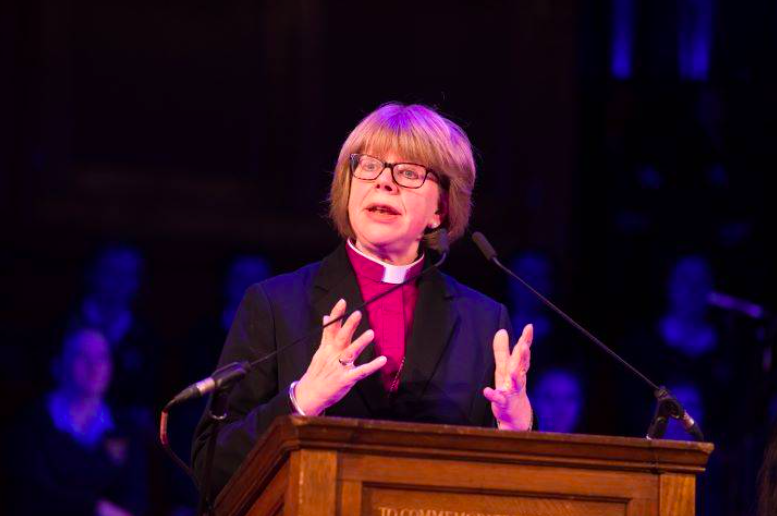
(Photo: Church of England)
The incoming Archbishop of Canterbury, Sarah Mullally, has become the focal point of a heated debate as she faces calls from Conservative MPs and peers to halt a proposed £100 million payment for slavery reparations. The plan, they argue, could set a concerning precedent and potentially conflict with the guidelines set by the Charity Commission.
Sarah Mullally, who is set to be formally installed in March following a Confirmation of Election ceremony at St Paul’s Cathedral, is already under scrutiny. Her appointment as the first woman to occupy this historical role has been divisive, particularly due to her progressive views on sexuality, alienating some conservative factions like the Gafcon movement.
The Church Commissioners, responsible for managing the Church’s endowments, intend to allocate £100 million for reparations in light of their historical involvement with Transatlantic African chattel enslavement. A spokesperson for the Church Commissioners told The Times, “The Church Commissioners, as a 320-year-old Christian in-perpetuity endowment fund, has committed £100 million to set up a new investment fund to support healing, justice and repair.” They emphasized that this initiative aligns with the Church of England’s mission to transform unjust societal structures and promote peace and reconciliation.
However, Shadow Home Office Minister Katie Lam has voiced her opposition, asserting that the funds should support local parishes rather than what she describes as “high-profile and legally dubious vanity projects,” according to The Sunday Times. Lam, along with 27 senior Conservative figures, has addressed a letter to Mullally, urging her to reconsider the reparation plans.
The letter highlights that Charity Commission rules stipulate that funds must be used for their original purpose, which includes supporting parish ministries, maintaining church structures, and safeguarding historical records. It argues that diverting £100 million away from these critical areas, especially when many churches are struggling, is inappropriate.
Further reports suggest that the Church Commissioners plan to establish a new charity, transferring the said amount as an ex-gratia payment, and have engaged in informal discussions with the Charity Commission regarding the proposal. Lam also spearheaded a correspondence to the Charity Commission expressing her concerns.
In their correspondence with Mullally, Lam and other conservatives warned about the implications of setting such a precedent: “If a major national institution redefines its charitable purposes to embrace political projects of this kind, it will put pressure on every other historic institution — universities, museums, galleries, even the Crown — to follow suit, regardless of their legal objects or donors’ intentions.”
This article was originally written by www.christiantoday.com