(Photo: Getty/iStock)
The life of Cuthberga, an Anglo-Saxon Queen who transitioned into a respected religious leader over 1,300 years ago, offers a fascinating glimpse into the past. Her journey from royalty to founding an abbey highlights the significant role women played in early English religious life.
Cuthberga’s Lineage and Marriage
Born into the Saxon royal family of Wessex, Cuthberga was the daughter of Cenred and a cousin to the ruling branch, with siblings including King Ine of Wessex. In AD 688, she entered a politically motivated marriage with King Aldfrith of Northumbria. However, the marriage was short-lived, and Cuthberga soon became a nun at Barking Abbey, a center for literary study at the time.
Founding Wimborne Abbey
Following her husband’s death in AD 705, Cuthberga returned to Wessex. With her sister Cwenburga, she established an abbey at Wimborne on land granted by her brother, King Ine. By AD 713, Cuthberga was the abbess of this dual monastery and nunnery, where monks and nuns lived separately but worshipped together.
Role of Abbesses
Abbesses, like Cuthberga, held significant authority within the Church, managing nunneries and participating in the great royal council, or Witan. Despite the Dissolution of monasteries under Henry VIII, the legacy of such female leaders is immortalized in the Sovereign’s robing room at the House of Lords.
The Passing of Cuthberga
Known for her beauty and kindness to others, Cuthberga was rigorous in her religious practices, reportedly experiencing visions of hell. She passed away on August 31, AD 725, leaving behind a legacy continued by her sister as abbess.
Legacy of Wimborne
Wimborne Abbey became renowned for training missionaries like St Lioba and St Walburga, who joined St Boniface on missions to Germany. The abbey housed 500 nuns at its peak and served as a pivotal center for evangelization.
Historical Developments
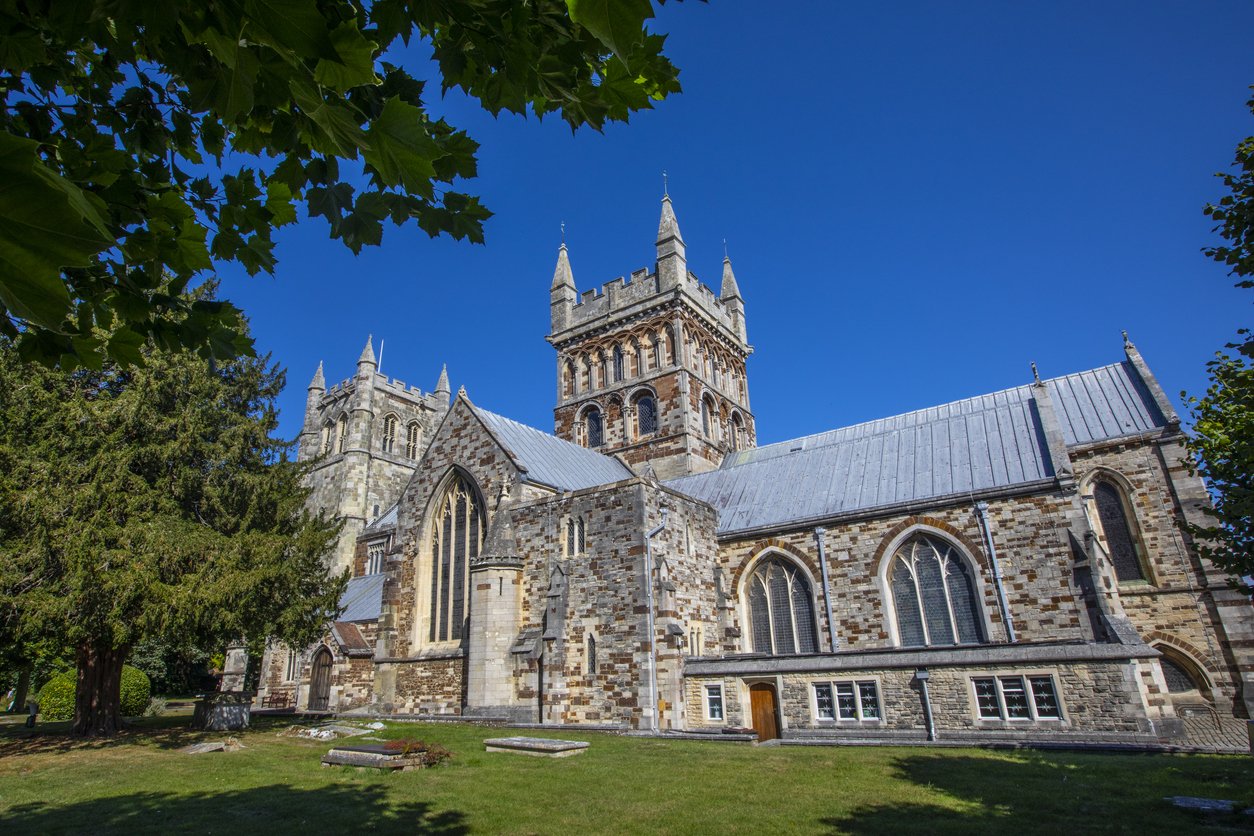
In AD 871, King Ethelred I, a descendant of Cuthberga’s brother, was buried at Wimborne. The abbey faced destruction by Danes in 1013 but was later restored. Today, the existing minster, mostly from the 12th century, stands as a testament to Cuthberga’s enduring influence.
Commemoration Services
On August 31, 2025, Wimborne Minster commemorated the 1,300th anniversary of St Cuthberga’s death with special services, attended by the bishop, local dignitaries, and residents. The day’s events included a play about Cuthberga and a choral evensong, united in the spirit of her enduring legacy.
This article was originally written by www.christiantoday.com