MP Danny Kruger Advocates for a Christian-Inspired Britain
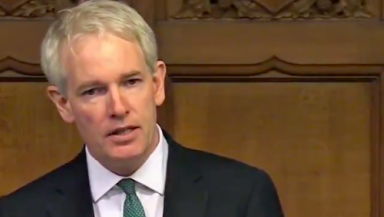
(Photo: Parliament Live)
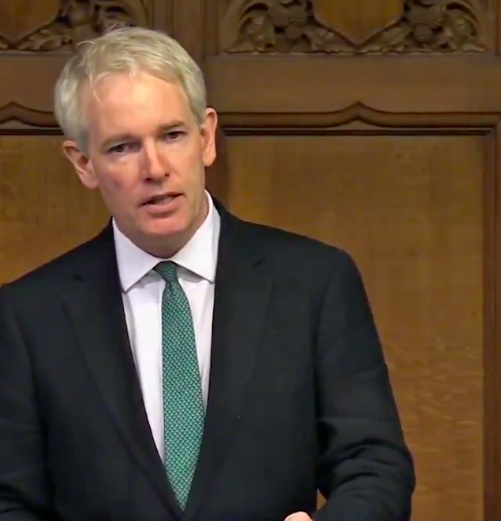
In a recent discussion, Danny Kruger, now a Reform MP, underscored the need for Britain to embrace its Christian heritage once more. His departure from the Conservative Party three months prior was fueled by what he described as its “toxic” brand and internal rifts, alongside its failure to instigate substantial change.
During an interview with Liberal Democrat MP Tim Farron for Premier Christianity Magazine, Kruger expressed that his switch had strained some ties with former Conservative colleagues, especially those active in his local campaigns. Despite this, Kruger remains firm in his decision, stating he realized the Conservative Party “couldn’t deliver the urgent change the country needs”.
Kruger emphasized the need for “radical, but conservative reform,” focusing on government restructuring. He stated, “We need to restore family life, empower local communities and renew the nation in our economy, culture, and defences. It’s about restoring democracy and putting people back in charge.”
When pressed by Farron on whether his goal was to “Christianise” Britain, Kruger avoided the term but expressed a desire for the country to be more “confidently Christian” and aligned with the teachings of Jesus, believing it would lead to a happier society.
Kruger also highlighted the importance of nations as fundamental organizational units, cautioning against excessive loyalty to tribes or supranational entities, which he believes could lead to idolatry. He stated, “Nations, rightly ordered, are a good thing,” and emphasized the significance of appreciating one’s place while acknowledging its temporary nature.
Farron, representing Westmorland, has also navigated the complexities of faith and politics. He resigned as his party’s leader in 2017, citing the difficulty of balancing his Christian faith with leading a progressive political party. This decision followed criticism of his stance on homosexuality, including his retraction of a statement about it not being a sin, which he later admitted was a political concession.
This article was originally written by www.christiantoday.com