Puerto Rico’s New Law Grants Legal Rights to Unborn Children
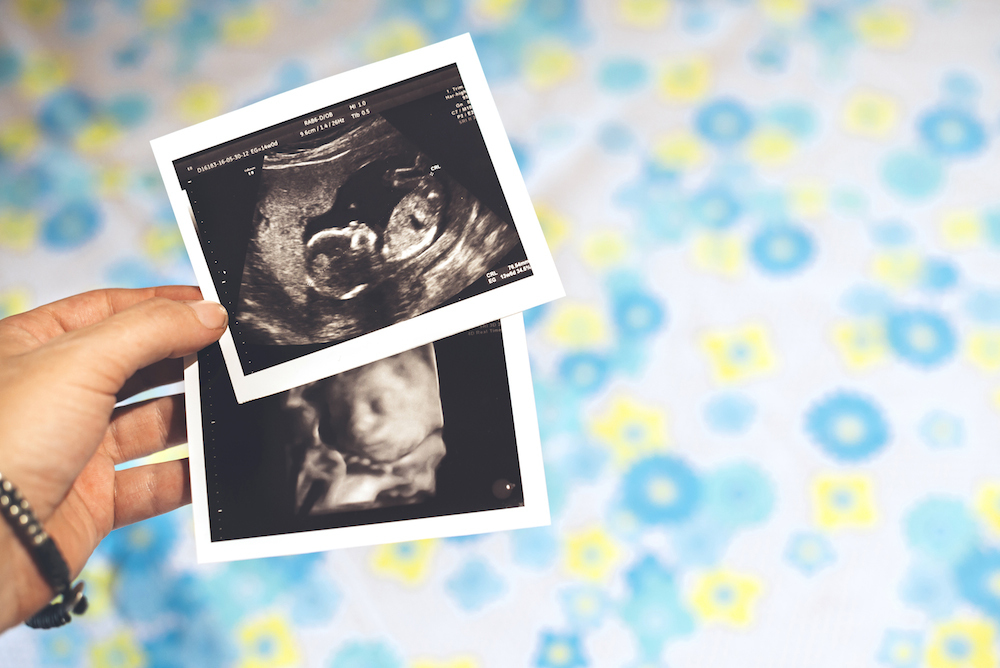
In a significant legislative move, Puerto Rico has passed a law that recognizes unborn children as individuals with legal rights equivalent to those of any other person. This new legislation amends the Civil Code of Puerto Rico to explicitly state that “every human being is a natural person, including the conceived child at any stage of gestation within the mother’s womb.”
Governor Jenniffer Gonzalez-Colon, a Republican, confirmed her approval of Senate Bill 504 through a statement after signing it into law. The law asserts that from the moment of conception, an unborn child possesses legal personality and capacity, subject to birth, with rights that include inheritance and legal representation.
The legislation outlines various scenarios where these rights might be applied, such as health insurance claims by parents, personal injury lawsuits, property rights, and labor-related claims. However, it clarifies that these provisions do not limit the pregnant woman’s right to make decisions regarding her pregnancy as allowed by law.
Pro-life groups have hailed this development as a significant victory. Carol Tobias, the president of the National Right to Life Committee, described it as a “landmark achievement for the pro-life movement,” emphasizing that it reflects respect for life and could serve as a model for U.S. lawmakers. In her statement, Tobias remarked, “Legal personhood for the preborn is not only consistent with science and human dignity but is the foundation upon which a culture of life can flourish.”
The legislative process saw the Puerto Rico Senate passing the bill with an 18-6 vote, followed by a 40-12 vote in the House of Representatives.
Nevertheless, the Center for Reproductive Rights notes that abortion remains legal in Puerto Rico to safeguard the health of the mother, including her mental health. A report by Pregnancy Justice, a pro-abortion group, highlights similar laws in several U.S. states, claiming these laws prioritize fetal rights over women’s rights.
According to the report, states like Alabama, Arizona, and others have extensive personhood laws that offer explicit protections for unborn children. In contrast, Kentucky and a few other states include fetuses in the definition of “person” within their criminal codes. Additionally, Alaska and Wyoming recognize the term “unborn child” as referring to a human being at any stage of development in the womb in specific criminal contexts.
This article was originally written by www.christianpost.com