
Christmas, a universally recognized holiday today, has not always been celebrated with such enthusiasm. There have been times when it was banned in several countries, including Britain. Here’s a look at those intriguing historical moments.
Modern-Day Christmas
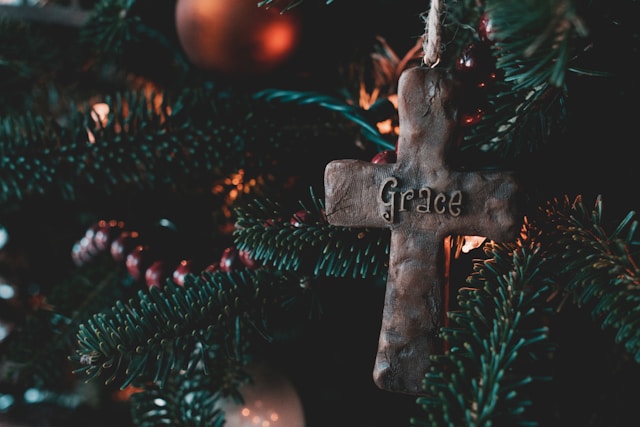
In contemporary society, Christmas is nearly inescapable. From festive music on the radio to elaborate decorations on homes and public spaces, the holiday is omnipresent. Christmas cards are exchanged, schools host Nativity plays, and special church services are held. The holiday also sees a surge in shopping activity. Although some may object to its Christian roots, Christmas is generally embraced or at least tolerated by most.
The Reformation Era
The Reformation brought about skepticism towards Christmas among many European Protestants, particularly Calvinists and Puritans. They viewed Christmas as tied to medieval Catholicism and its superstitions. Disapproving of the excesses like gambling and drinking associated with the holiday, Puritans sought to base their practices strictly on the Bible, which does not specify a date for Jesus’ birth or mandate its celebration. While Calvin did not prohibit Christmas, others like John Knox took more stringent measures, leading to its ban in Scotland and later in England.
Scottish Prohibition
In 1560, the Scottish Parliament rejected papal authority, leading to the ban of the Mass, including Christmas, which was seen as too Catholic and religious. Despite initial resistance, over time, those celebrating faced repentance or excommunication. By 1575, strict penalties were in place for festive activities like dancing or singing carols. Although the ban was lifted briefly in 1602, it was reestablished in 1640.
England’s Ban
In England, a 1642 Act established a monthly day for prayer and fasting, coincidentally falling on Christmas Day that year, overshadowing the holiday. The Puritan-led Parliament’s 1645 directive eliminated special Christmas services unless it was on a Sunday. In 1647, a law explicitly banned holiday celebrations, including private festivities, leading to public discontent and riots. By 1652, further laws imposed fines for Christmas observance, and shops were mandated to remain open. Despite complaints of non-compliance, the ban persisted until 1660.
Christmas in Massachusetts
The English Pilgrims who settled in Massachusetts in 1620 eventually banned Christmas, viewing it as antithetical to their Puritan values. The 1659 law imposed fines for Christmas observance, and the ban continued until 1681. Even after its repeal, Christmas was treated as a normal working day until 1856, when it became a public holiday.
France and the Soviet Union
France’s 1793 Christmas ban was part of a broader secular effort during the Revolution to diminish religious influence. In 1801, Napoleon reinstated religious practices. Meanwhile, the Soviet Union’s atheistic regime in 1929 erased religious festivities, replacing them with ideologically aligned celebrations. Following the USSR’s dissolution in 1991, Christmas returned as a public holiday in Russia and other former Soviet states.
Legacy of Christmas Bans
While today Christmas is widely celebrated, its history of prohibition, particularly by religious authorities, serves as a reminder of its complex past. Modern bans are more commonly associated with atheistic or Islamic regimes rather than Christian ones.
This article was originally written by www.christiantoday.com