Oil and Gas Industry’s Influence on Mike Rogers’ Political Career
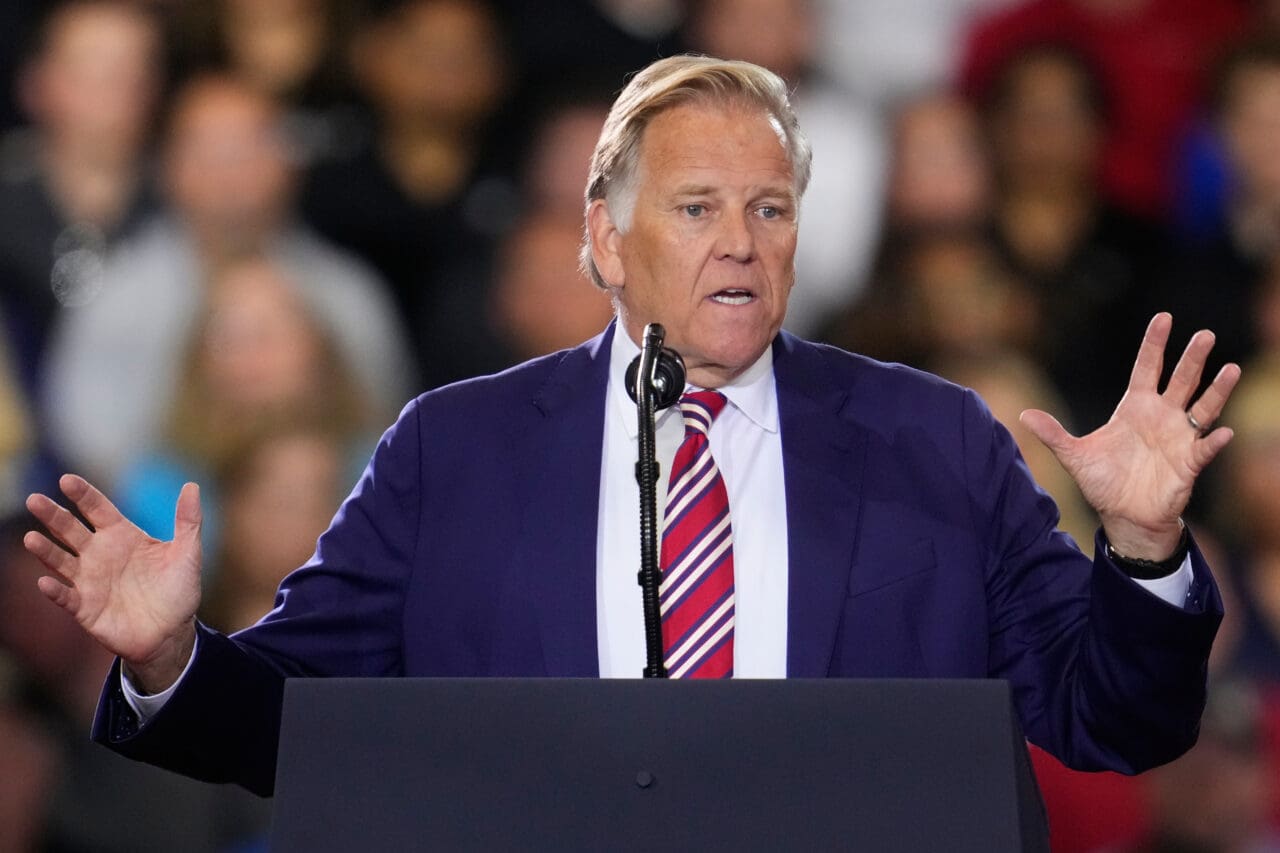
Republican Mike Rogers, now vying for a U.S. Senate seat in Michigan, has a history of receiving substantial financial support from the oil and gas sector during his tenure in the House of Representatives.
Rogers served as a congressman from 2001 until his retirement in 2015, after which he relocated to Florida. Throughout his congressional career, his voting record showed a consistent alignment with oil and gas interests, occasionally prioritizing these over the needs of his constituents.
According to OpenSecrets, an organization that monitors political donations, Rogers received $693,234 from oil and gas companies, their executives, and employees over his time in Congress. These contributions continued into his current campaign and his previous unsuccessful attempt to secure a U.S. Senate seat in 2024.
In 2005, amid rising gas prices due to the Iraq and Afghanistan conflicts, Rogers endorsed the Energy Policy Act. The White House championed this legislation as a means to reduce gas prices, promising tax incentives for oil and gas infrastructure development and permitting drilling in the Arctic National Wildlife Refuge.
The nonpartisan Cato Institute critiqued the policy, arguing it largely subsidized oil and gas producers without significantly impacting prices. Similarly, a 2006 report from the conservative Heritage Foundation claimed the act contributed to increasing fuel costs.
Rogers opposed the 2007 and 2008 bipartisan Federal Price Gouging Prevention Act, which aimed to prohibit excessive pricing by oil and gas companies during energy crises or national emergencies. The bill ultimately failed to pass.
Global factors set gas prices, meaning disturbances in Middle Eastern oil supply can elevate U.S. prices. This situation allows domestic oil and gas companies to increase their prices, maximizing profits as consumers bear the brunt.
Rogers also voted against the Energy Independence and Security Act of 2007, designed to reduce reliance on international fuel prices by boosting renewable energy and fuel-efficient vehicle production. The American Petroleum Institute, a significant oil and natural gas trade group and Rogers donor, opposed the act.
In 2008, Rogers rejected two bills aimed at decreasing gas prices: the Consumer Energy Supply Act, which proposed tapping into oil reserves, and the Commodity Markets Transparency and Accountability Act, intended to curb energy company price manipulation.
These legislative decisions took place before the Supreme Court’s Citizens United ruling, which significantly expanded campaign finance donations and spending in federal elections.
From 2024 to 2025, a super PAC backing Rogers received a $10 million donation from Timothy Dunn, CrownQuest Operating’s billionaire CEO. Dunn also contributed $6,600 directly to Rogers’ 2024 campaign.
During the same period, Chevron Corporation and its affiliated PAC donated $200,000 to Rogers’ super PAC and $15,000 to his campaign. Contributions also came from ConocoPhillips and Marathon Petroleum.
Rogers has expressed support for the ongoing conflict in Iran, which is also impacting fuel prices.
Rogers’ Democratic contender, physician Abdul El-Sayed, criticized Rogers’ donor allegiances during an August 5 press conference.
“Is he MAGA? Is he neocon?” El-Sayed questioned. “Nah, man. He’s just a corporate sellout.”
—
Read More Kitchen Table News