The Role of Technology in Supporting Students with Disabilities Amidst Screen Time Restrictions
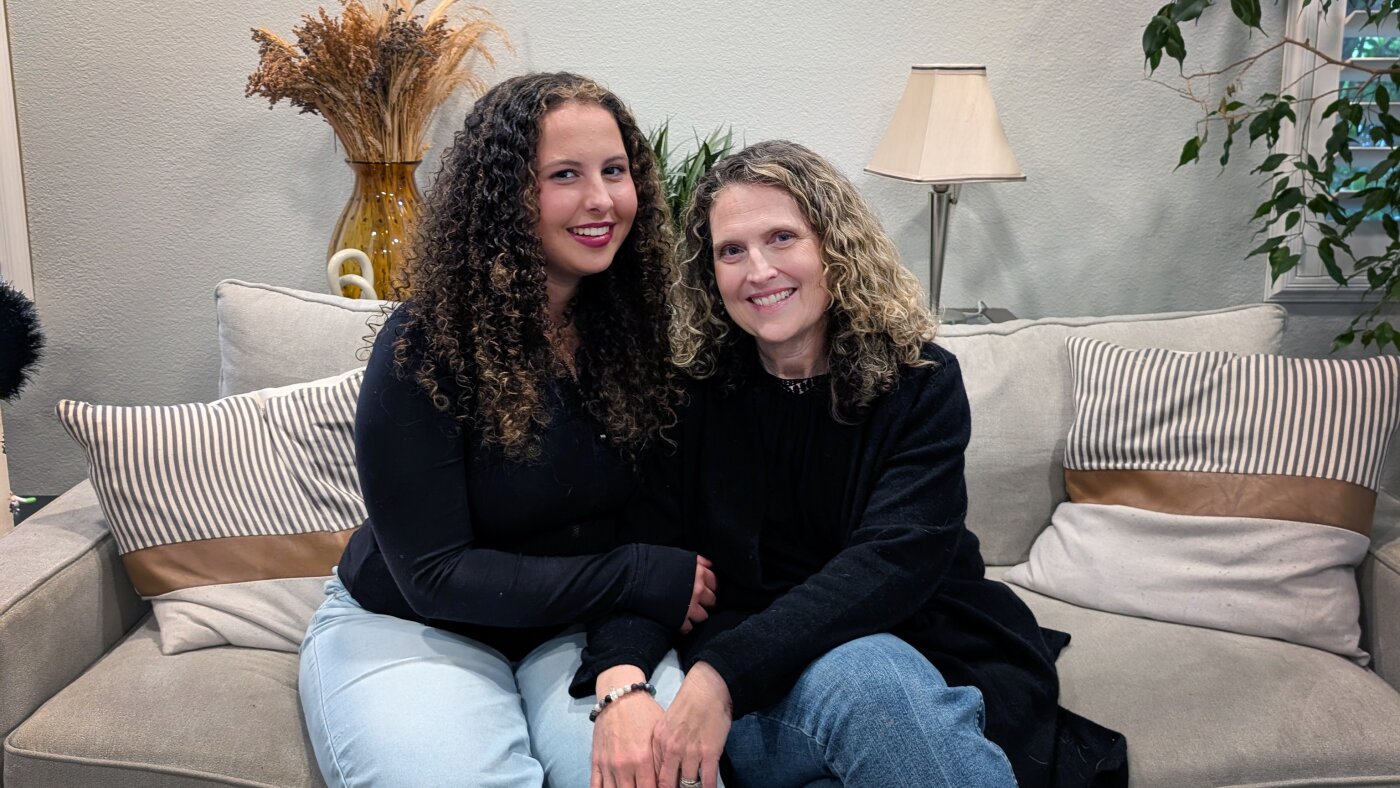
In a time when the use of screens in classrooms is being scrutinized, some students find these tools indispensable for their education. Soraya Martin, a ninth grader from Concord, California, illustrates how technology can transform learning experiences for students with disabilities.
Soraya, who has dyslexia, has discovered a newfound passion for creative writing, despite the challenges posed by her condition. She explains, “I’m a very creative writer, I love to write stories for fun.” However, reading and writing have not always come easily to her. The introduction of assistive technology in her education has made a significant impact.
Last school year, Soraya began using various technological aids, such as dictation software, audiobooks, and digital note-taking tools. These resources have allowed her to focus on her ideas without being hindered by spelling and typing difficulties. “I started getting really good grades,” she shares, adding that the technology helped her realize she is capable of excelling in school.
Heather Martin, Soraya’s mother, highlights the importance of these tools for students who rely on them to succeed academically. She expresses concern over the increasing backlash against screens in schools, where more than 30 states have already imposed cellphone bans, and some are considering eliminating screens entirely. The U.S. Department of Health and Human Services recently issued an advisory warning about the potential negative effects of screen use on children’s health and education.
Heather voices her concerns, stating, “Never once in the conversation has there been a discussion, except for me bringing it up with the other parents, about kids with disabilities.” This sentiment is echoed by disability advocates who worry that students like Soraya are being overlooked in the national debate.
Screen-Time Policies: A Double-Edged Sword
With over 8 million students with disabilities in the U.S., many depend on assistive technology for their education. These tools include screen reading software for visually impaired students, and speech-to-text applications for those with dyslexia. However, policies in states like Alabama, Tennessee, and Utah, set to take effect soon, may restrict screen use in schools.
Lindsay Jones, CEO of the Center for Applied Special Technology (CAST), cautions against the rapid implementation of such policies, noting that exceptions for assistive technology are often minimal. “They’ve moved so fast that we’ve really left our educators and our communities of people with disabilities this summer to figure it out,” she explains.
Jones also points out that recent changes in the U.S. Department of Education have made it more challenging to enforce civil rights related to assistive technology access. The department has delayed implementing a digital accessibility rule, further complicating the situation for students who rely on these tools.
Technology as an Accessibility Tool
At Soraya’s high school, a new policy requires students’ phones to be locked up during school hours. Heather Martin fears this could lead to broader restrictions on screen usage, which would hinder students who depend on these devices for learning.
Heather argues that a “completely screen-free environment” fails to recognize the importance of technology for accessibility. Soraya echoes this sentiment, expressing frustration with having to ask for her phone to be unlocked for educational purposes. Her Individualized Education Program (IEP) allows her to use her phone for note-taking, but the new policies have complicated its implementation.
Jones emphasizes the unintended consequences of restricting technology in schools, advocating for more inclusive policies that account for the diverse needs of students. Her organization, CAST, promotes Universal Design for Learning, which encourages educators to create flexible learning environments that accommodate different learning styles.
As screen time limits become more prevalent, Jones urges for the involvement of educators, disability advocates, and assistive technology providers in shaping these policies. “That is going to be the best way forward for everyone to achieve their goals without trampling on people’s rights,” she asserts.
For Soraya, assistive technology has been a catalyst for embracing her learning differences, enabling her to achieve academic success and express herself more confidently. “I have so much more to say … It made me feel more confident in myself,” she concludes.