Massive Data Breach Temporarily Shuts Down Canvas, Impacts Students Worldwide
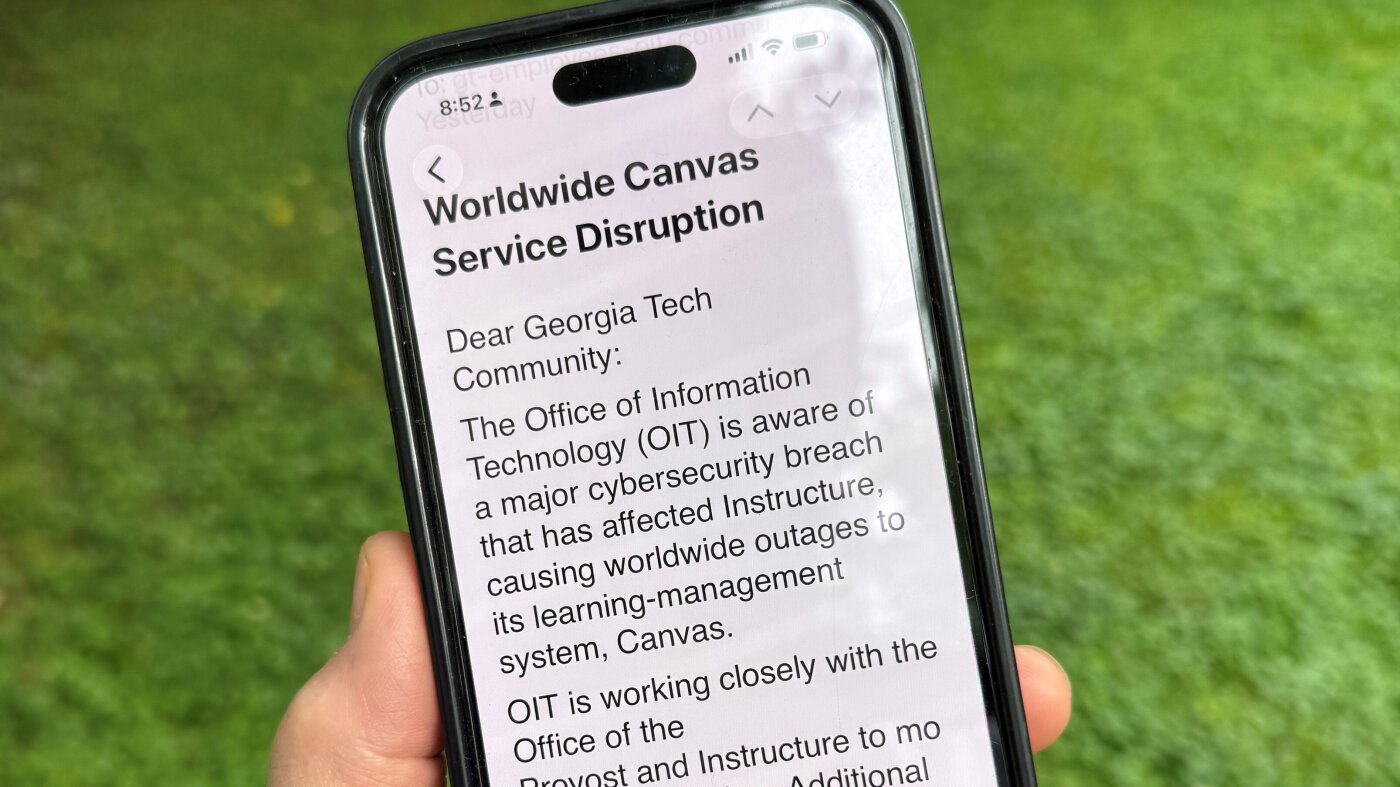
In a significant disruption to education, the learning management system Canvas experienced a temporary shutdown due to a data breach. This incident left many U.S. colleges and K-12 schools without access to essential course materials during a crucial finals period.
According to Damon Linker, a senior lecturer at the University of Pennsylvania, the timing of the outage was particularly problematic. “I’m sure somewhere in the country when the outage happened, there probably were people actually taking final exams on the platform when it crashed,” he said.
Canvas, a platform relied upon by 30 million users, including half of the higher education institutions in North America, provides essential services such as course management, assignment submission, and communication, as noted by its parent company, Instructure.
The breach was attributed to ShinyHunters, a well-known group responsible for the 2024 Ticketmaster data breach. They claimed responsibility on a threat intelligence website, stating the breach involved data from 275 million individuals globally. They advised affected schools to consult cybersecurity firms to prevent data leaks.
Instructure confirmed the breach but assured that it only involved identifying information like names, email addresses, and student IDs, with no financial information or passwords compromised. The company provided updates on the situation on their website and FAQ page.
The Aftermath: Restoring Access and Ensuring Security
As of Thursday night, Instructure announced that “Canvas is now available for most users,” though some services remained in maintenance mode. However, several institutions, like Penn State University, reported partial restorations and continued to work on securing the system before full access was granted.
Schools such as the University of California and Penn State took cautious approaches, delaying full access until they were confident in the platform’s security.
Cybersecurity expert Rachel Tobac advises users to remain vigilant against phishing attempts, emphasizing the importance of verifying any suspicious communications. She recommends using password managers and enabling multi-factor authentication as preventive measures.
Impact on Finals and Academic Operations
The breach has caused several institutions to postpone or cancel final exams. The University of Illinois, for instance, delayed all exams and assignments scheduled through Sunday. Other schools, like Baylor University, instructed faculty to provide alternative study materials.
This incident highlights the vulnerability of relying on a single platform for academic operations. Linker from UPenn expressed concerns about this dependency, indicating a potential shift to alternative platforms or methods to safeguard access to course materials.
While some institutions are developing contingency plans, Tobac stresses the importance of having disaster recovery strategies in place to ensure continuity in the face of cyber threats.