Education Secretary Faces Scrutiny Over Proposed Budget Cuts and Departmental Changes
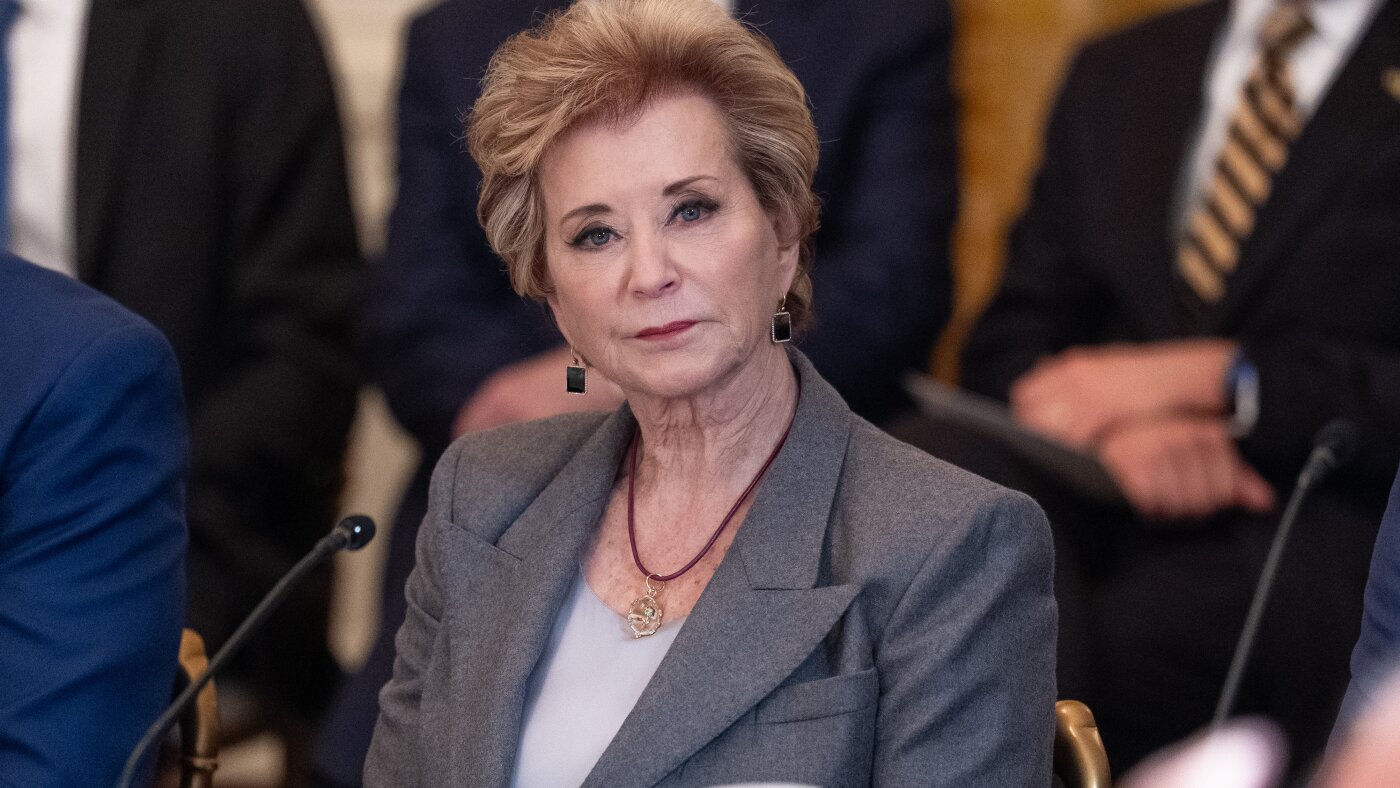
As the U.S. Education Secretary Linda McMahon appeared before the Senate for the first time in nearly a year, her plans to overhaul the Education Department drew mixed reactions. While some praised her initiatives, others expressed concern over potential impacts on students and parents.
McMahon’s appearance aimed to discuss the White House’s 2027 fiscal year education spending proposal. The hearing became a platform for evaluating McMahon’s approach to restructuring the department, with a focus on budgetary adjustments and departmental shifts.
Budget Concerns and Special Education
The proposed budget includes an increase of $539 million for the Individuals with Disabilities Education Act (IDEA), aiming to uphold the federal commitment to students with disabilities. McMahon assured that transferring authority to states would not compromise essential programs. However, her intention to move IDEA oversight to other federal agencies raised concerns among special education advocates.
Senator Patty Murray voiced apprehensions about the potential relocation of special education responsibilities, suggesting that it could undermine educational priorities for students with disabilities. “Moving [special education] out of the department is not only undermining that,” Murray argued, “but it’s a direct message to them that their health is more important than their education.”
Civil Rights Office and Proposed Cuts
McMahon faced criticism over the proposed 35% funding cut for the Office for Civil Rights (OCR), which handles discrimination complaints. Despite the proposed budget reduction, McMahon expressed opposition to the funding cut, asserting that efforts are underway to hire more lawyers to address pending cases.
Senator Chris Murphy highlighted past layoffs and the closure of regional OCR offices, questioning McMahon’s commitment to handling disability discrimination investigations effectively. In response, McMahon emphasized ongoing efforts to bolster the department’s legal team.
Support for Low-Income Students
The hearing also highlighted discussions on TRIO programs, which support low-income and first-generation students. McMahon challenged the effectiveness of TRIO, suggesting reforms to incorporate workforce training. However, senators from both parties defended the existing structure of TRIO as a vital resource for college readiness.
Title I funding for schools with high percentages of low-income students remains unchanged in the proposed budget, while an increase of $10 billion for Pell Grants was also included. The latter was met with mixed reactions from the committee.
Addressing Student Loan Management
Senators raised concerns about the management of $1.7 trillion in federal student loans and delays in the Public Service Loan Forgiveness (PSLF) program. McMahon acknowledged ongoing issues with processing delays and emphasized the need for sustainable solutions.
Additionally, the department is set to introduce a new repayment plan in July to address the legal challenges faced by an earlier repayment plan under the Biden administration.
McMahon concluded by expressing her confidence in the progress being made, albeit acknowledging the complexities involved in the transition.
Education Correspondent Cory Turner contributed to this story.