FCC’s E-Rate Program Under Review: What It Means for Schools and Libraries
The Federal Communications Commission is reevaluating a vital program that has helped schools and libraries across the U.S. access the internet at reduced rates. This move has educators and advocates concerned about potential cuts in funding.
Since its inception in the 1990s, the E-Rate program has enjoyed bipartisan support, providing critical internet access to educational institutions. However, the FCC’s recent decision to review the program has put many on edge, including David Thurston, who oversees technology for numerous school districts in California’s San Bernardino County.
“We have mountain regions, far-flung desert regions, and then our urban and suburban areas. We’re a really diverse county,” Thurston explains. The infrastructure to connect these areas is already in place, but ongoing internet bills remain a significant expense. Thurston emphasizes the importance of E-Rate in covering these costs, stating, “There’s no doing without. School districts are gonna have to pick up the costs.”
A Program in Question
Originally established by Congress in 1996 when internet access was available to only 14% of schools and libraries, the E-Rate program has significantly expanded connectivity. Now, nearly 100% of these institutions are online. Despite its success, the FCC’s full review, announced in late June, has puzzled many, including Thurston, who says, “By its own data and its own measurement, the program is healthy.”
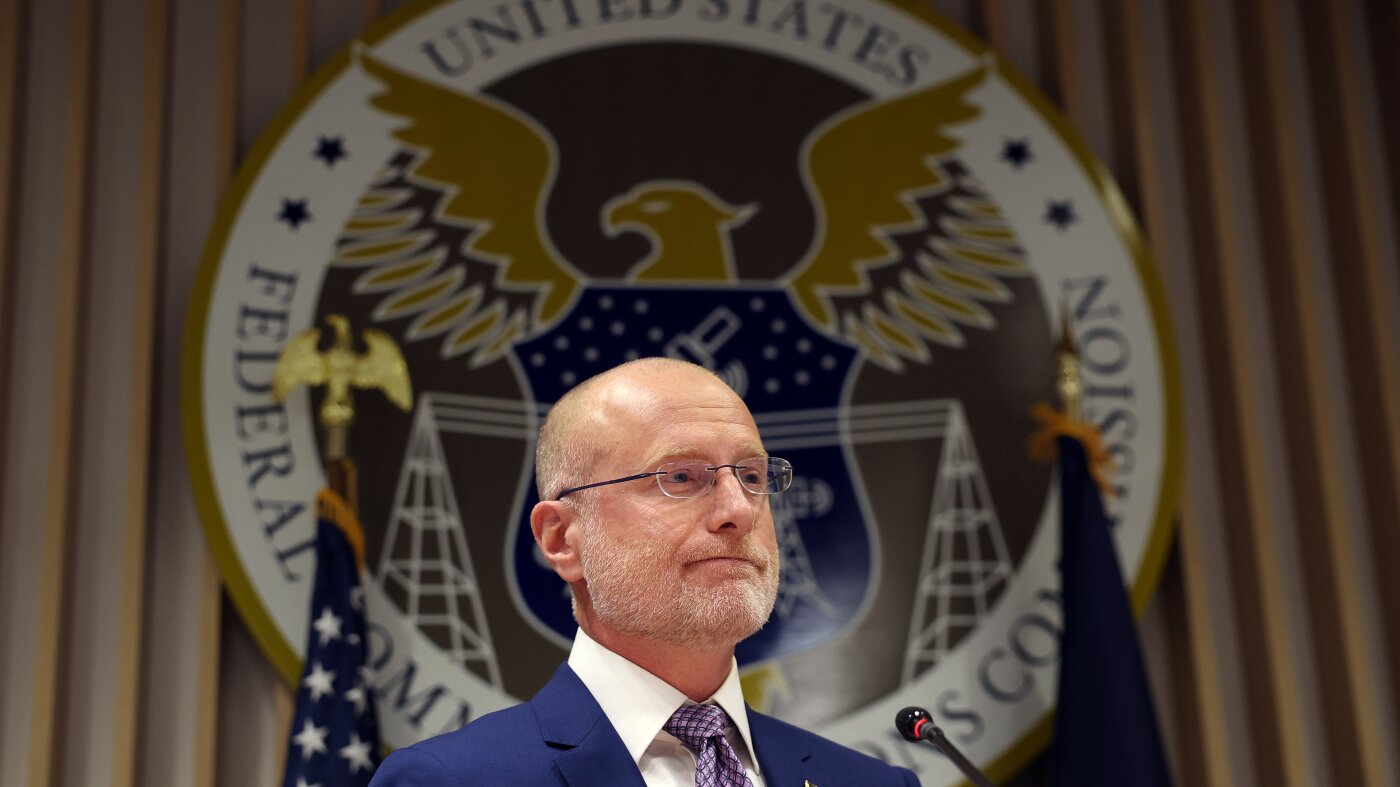
Some anticipated this scrutiny, as the Project 2025 blueprint suggested federal broadband policy could face cuts. FCC Chairman Brendan Carr, who contributed to that document, cited concerns over children’s screen time as a reason for the review, according to an FCC document.
In recent months, several states have enacted legislation to reassess technology’s role in education, including Alabama, Tennessee, Utah, and Virginia. Los Angeles Unified School District, for example, has approved measures to limit student screen time.
Some, like Josh Golin, executive director at Fairplay, argue that reducing E-Rate funding isn’t the solution. “We believe there are ways of strengthening school policies without taking away critical E-Rate funding,” Golin noted.
Challenges and Stakes
Despite efforts to limit screen time, schools continue to rely heavily on the internet for various functions—from tracking attendance to administering state-required tests. The National Center for Education Statistics reports that 48 states include online components in exams.
Bob Bocher of the American Library Association points out that while the program’s elimination is unlikely, changes could make it more cumbersome, potentially deterring schools and libraries. “It’s like death by a thousand cuts,” he warns.
In rural areas, like Alaska, the lack of competition among internet service providers compounds the issue. Patrick Mayer, superintendent for the Alaska Gateway School District, says, “We have one provider.” Ensuring connectivity for his district’s 400 students costs over half a million dollars annually, crucial for 21st-century education.
As the FCC prepares to gather public comments on its review, advocates like Mayer are advocating to maintain connectivity for students. He has actively engaged with lawmakers to highlight the importance of the E-Rate program.