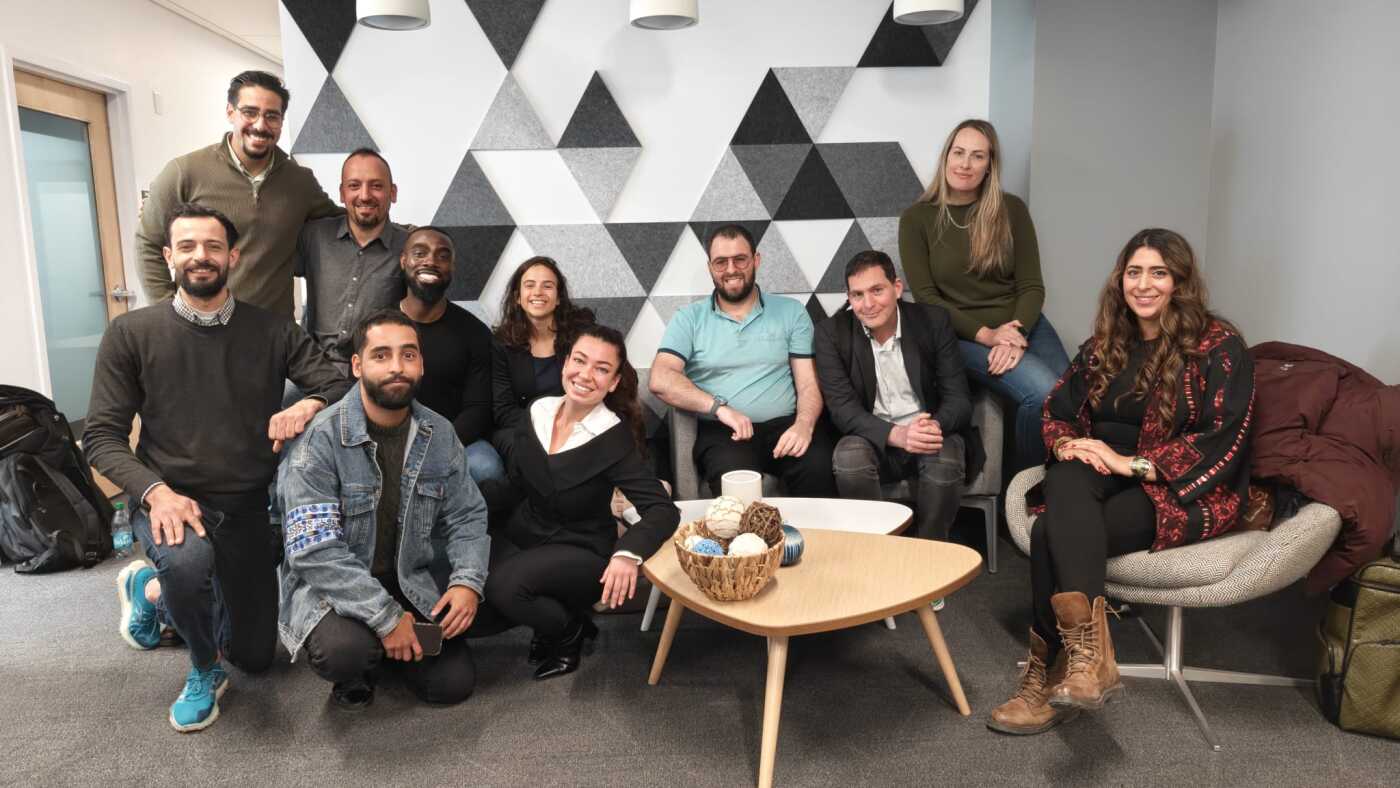
An Unlikely Alliance: Israeli and Palestinian Entrepreneurs Unite in Boston
In an environment characterized by longstanding conflict, a unique startup program is fostering collaboration between Israelis and Palestinians. Known as 50:50 Startups, this accelerator initiative is bringing together entrepreneurs from diverse backgrounds in a shared quest for innovation and peace.
One of the standout participants is Salah Hussein, who at 11 years old, experienced trauma when Israeli soldiers entered his home in Nablus. Now, at 33, he partners with an Israeli Jew in the program, reflecting a significant personal and professional shift. Hussein is part of a cohort of 35 entrepreneurs engaging in workshops, lectures, and mentorships, with a final pitch session to potential investors in Boston.
The program’s co-founder, Amir Grinstein, started 50:50 seven years ago, inspired by the belief that business partnerships could foster lasting peace. Despite the challenges of cross-cultural collaboration, the program’s participants are driven by both practical needs and ambitious ideals. “If we are not the ones looking for change, who will be?” Hussein asserts, emphasizing the importance of progress for future generations.
Among Hussein’s team members is Yana Shaulov, a Jewish Israeli and molecular biologist, who joined the program intending to launch her own idea. Instead, she found a place on Hussein’s team and believes their work can inspire others. “It’s already worth it just to show other people that it’s possible,” Shaulov says.
Their venture, Qanara Tech, aims to use AI and cameras to prevent pest infestations in greenhouses. Other teams in the program are working on innovations like a new heart monitor and a water purification system using natural materials.
While some partnerships face strain, particularly following events like the October 7th, 2023 attack by Hamas, many participants remain committed to the cause. As one Israeli participant, Aviv Meir, notes, “It’s hard to put yourself in the enemy’s shoes,” yet the program encourages understanding that transcends political divides.
Conversations Beyond Conflict
Participants often find themselves in difficult dialogues, as illustrated by a conversation between Palestinian Salah Elsadi and French Israeli Sarah Blum during a Boston event. Despite their painful histories, they concluded their interaction with mutual understanding and a hug, reinforcing the program’s mission to look forward rather than dwell on past grievances.
Grinstein emphasizes that 50:50 Startups is not a political organization, which allows it to create a neutral space for building personal connections. Through these interactions, participants come to see each other as individuals rather than adversaries.
From Startups to Trust
Amir Grinstein co-founded the program in 2019 with the support of Tel Aviv University and Northeastern University. The initiative aims to create partnerships based on equality, shared objectives, and mutual trust. Despite challenges such as wars and pandemics, the program continues to thrive, albeit with some participants attending remotely due to regional conflicts.
Grinstein hopes these business relationships will lead to personal friendships that can support challenging conversations. According to him, “The elephant is obviously in the room, so we’re not ignoring it.”
With about 320 participants since its inception, 50:50 Startups has had a ripple effect, influencing friends, family, and even Northeastern University students involved as interns. Alexa Garcia, a senior at Northeastern, notes how the program shifted her perspective from favoring one side to understanding both.
A ‘Hippie Heart’ Meets a ‘Capitalist Brain’
The Boston session concluded with a Shark Tank-style pitch session where teams presented their ideas to investors. Brian Abrams of B Ventures, one of the investors, expressed his enthusiasm for the program, saying, “My hippie heart loves this kind of collaboration. My capitalist brain insists it makes business sense.”
He believes such collaborations can enhance a brand’s reputation, potentially creating a positive “halo-effect.” Tomer Cohen from Tech2Peace, a similar initiative, suggests that these startups might even be safer investments due to the resilience of their founders.
As of now, 50:50 Startups is defying the odds, with about half of its 55 ventures still active. The program continues to prove that collaboration across divides is not only possible but also beneficial for business and peace.