Significant Changes at the U.S. Department of Education: Special Education Leadership Faces Transition
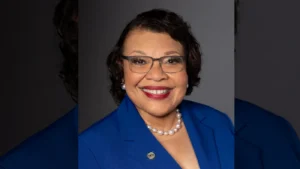
In a surprising turn of events, Kelly Rogers, the head of special education at the U.S. Education Department, announced her resignation amidst a major departmental reorganization. This announcement comes as the department undergoes a significant downsizing and transfer of responsibilities.
Rogers has been leading the Office of Special Education and Rehabilitative Services (OSERS) since May. Her unexpected departure was announced shortly before a planned relocation of many staff members to the Department of Health and Human Services (HHS) in Washington, D.C. This move leaves the future leadership of OSERS uncertain as her exit is set for September 11.
OSERS plays a crucial role in supporting educational programs for individuals with disabilities, including implementing the Individuals with Disabilities Education Act (IDEA) and managing approximately $15 billion in federal funding for these programs.
The transfer of special education offices to HHS is part of broader efforts by the Trump administration to dismantle the Department of Education. “I have made the decision to resign from my position as Deputy Assistant Secretary/Acting Assistant Secretary for OSERS to return home to Florida, effective September 11, 2026,” Rogers communicated to her staff. She expressed confidence in the team’s ability to continue their mission through the new partnership with HHS.
Disability rights advocates have criticized the decision to move special education responsibilities to HHS. Denise Marshall, CEO of the Council of Parent Attorneys and Advocates, noted that the change could lead to added bureaucracy and confusion for families and educators.
Rogers’ Brief Tenure
During her short tenure, Rogers was tasked with overseeing an interagency agreement between the special education offices and HHS. Her background includes extensive experience in Florida’s state programs for people with disabilities, including as director of the state’s Division of Vocational Rehabilitation.
Despite her credentials and initial enthusiasm, some staff members expressed disappointment in her leadership. One employee noted, “We were pretty hopeful when she first started based on her credentials. It became apparent pretty quickly that she was more interested in toeing the company line.” Rogers had highlighted her personal connection to the work through her experience as a mother of a child with autism.
The future of OSERS leadership remains uncertain with Rogers’ impending departure. With the staff relocation set to commence soon, questions arise about who will oversee the transition and the impact on special education services. Chad Rummel, CEO of the Council for Exceptional Children, expressed concerns about the outsourcing of special education roles and the potential effects of proposed budget cuts on student rights.
For more information and insights into these developments, read about the ongoing changes in special education at the U.S. Education Department.
NPR’s Cory Turner contributed to this report.