
Middlebury College’s Tuition-Free Initiative: A Response to Financial Aid Confusion
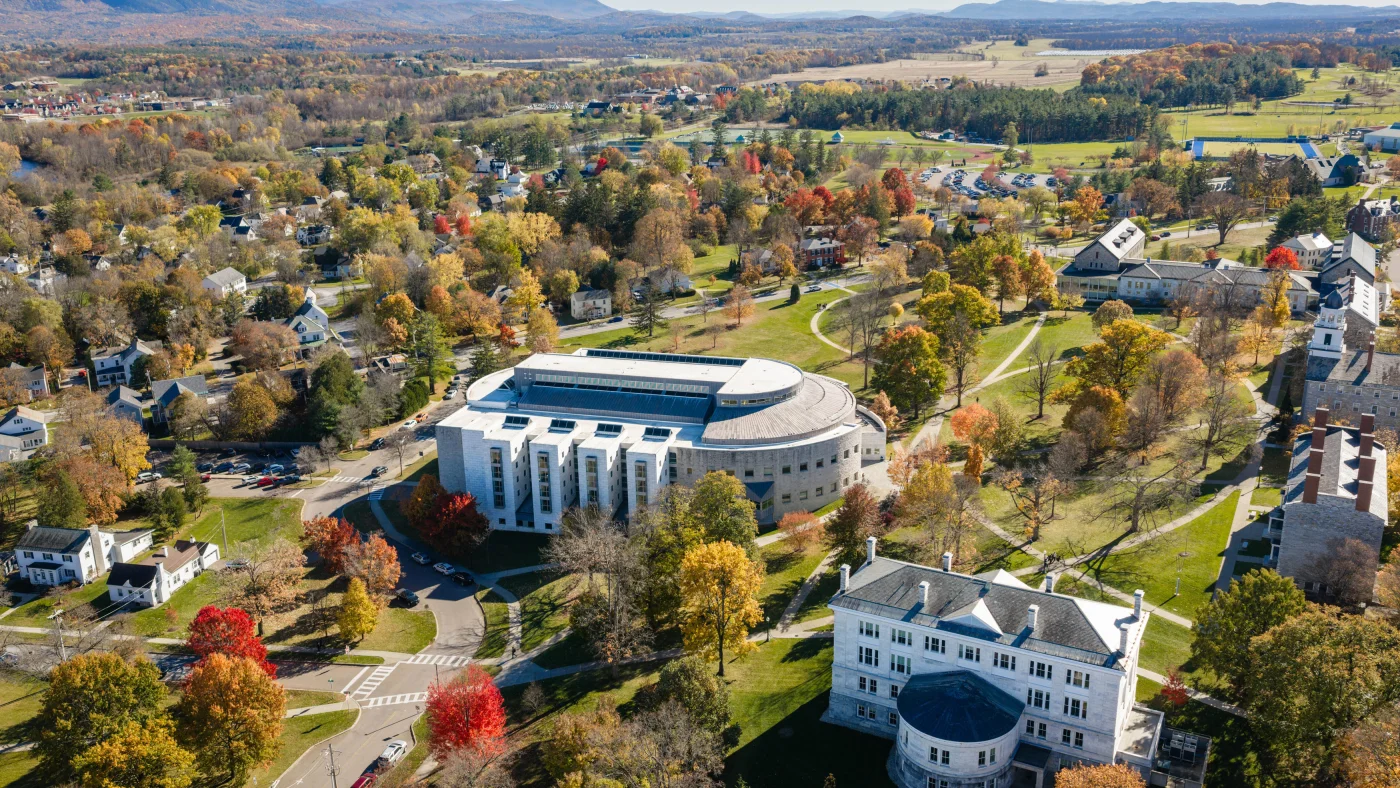
Middlebury College, with its picturesque Vermont limestone buildings and lush green lawns, may seem like a classic example of an expensive institution. However, the college is making strides to change that perception by offering tuition-free education to students from families earning up to $175,000 annually.
This initiative is part of a broader movement among universities to clarify the often perplexing costs of higher education. Middlebury joins a growing list of institutions aiming to dispel misconceptions about tuition fees and financial aid.
According to Middlebury’s announcement, up to 50 families in the incoming class, out of a typical 630 new students, will benefit from this tuition-free policy. Yet, most families with similar income levels already enjoy tuition-free education at the college.
The primary aim of these initiatives, experts suggest, is to address the complex and often opaque nature of college pricing, which has deterred many Americans from pursuing higher education. “Let’s make it as non-complicated as possible,” said Ian Baucom, president of Middlebury, emphasizing the importance of clarity in tuition pricing.
Other prestigious institutions, such as Princeton, University of Chicago, MIT, Harvard, and Swarthmore, have also introduced similar tuition guarantees for families with incomes up to $250,000.
Phillip Levine, an economist at Wellesley College, points out that these institutions aren’t necessarily reducing their prices but are making them clearer. “The college was already free for almost all those kids,” Levine said, referring to his research findings.
Despite these guarantees, additional expenses like room, board, and books remain. At Middlebury, these costs amount to $24,462 annually. However, financial aid is often available to cover these costs. The transparency initiatives are timely, as many colleges now list attendance costs exceeding $100,000 annually, contributing to confusion about actual costs after discounts and aid.
Surveys reveal a lack of understanding among families about college costs. A Gallup survey found that nearly two-thirds of Americans view four-year colleges as unaffordable, while another study showed that more than three-quarters of adults couldn’t estimate the price of a public four-year institution within $5,000.
The effort to demystify college pricing extends beyond elite colleges. Institutions like Earlham College and public universities in New Hampshire are offering free tuition to families earning $100,000 or less.
Middlebury’s initiative reflects a broader recognition that understanding financial aid is crucial for students. “Affordability is the top question that every family is asking us,” said Nicole Curvin, Middlebury’s dean of admissions. With economic uncertainties and a rapidly changing job market, colleges are responding to concerns about affordability and access to education.
While some colleges, like the University of Tulsa and Concordia University, St. Paul, have chosen to lower their tuition prices, others are focusing on transparency through tools like the University of Pennsylvania’s cost calculator.
Ultimately, the push for transparency in college pricing is about ensuring that students and families can make informed decisions about higher education, a critical aspect of maintaining the social contract of American life, as Middlebury’s president, Ian Baucom, emphasized.





Comments are closed.