
U.S. School Districts Grapple with Escalating Diesel Costs as New School Year Begins
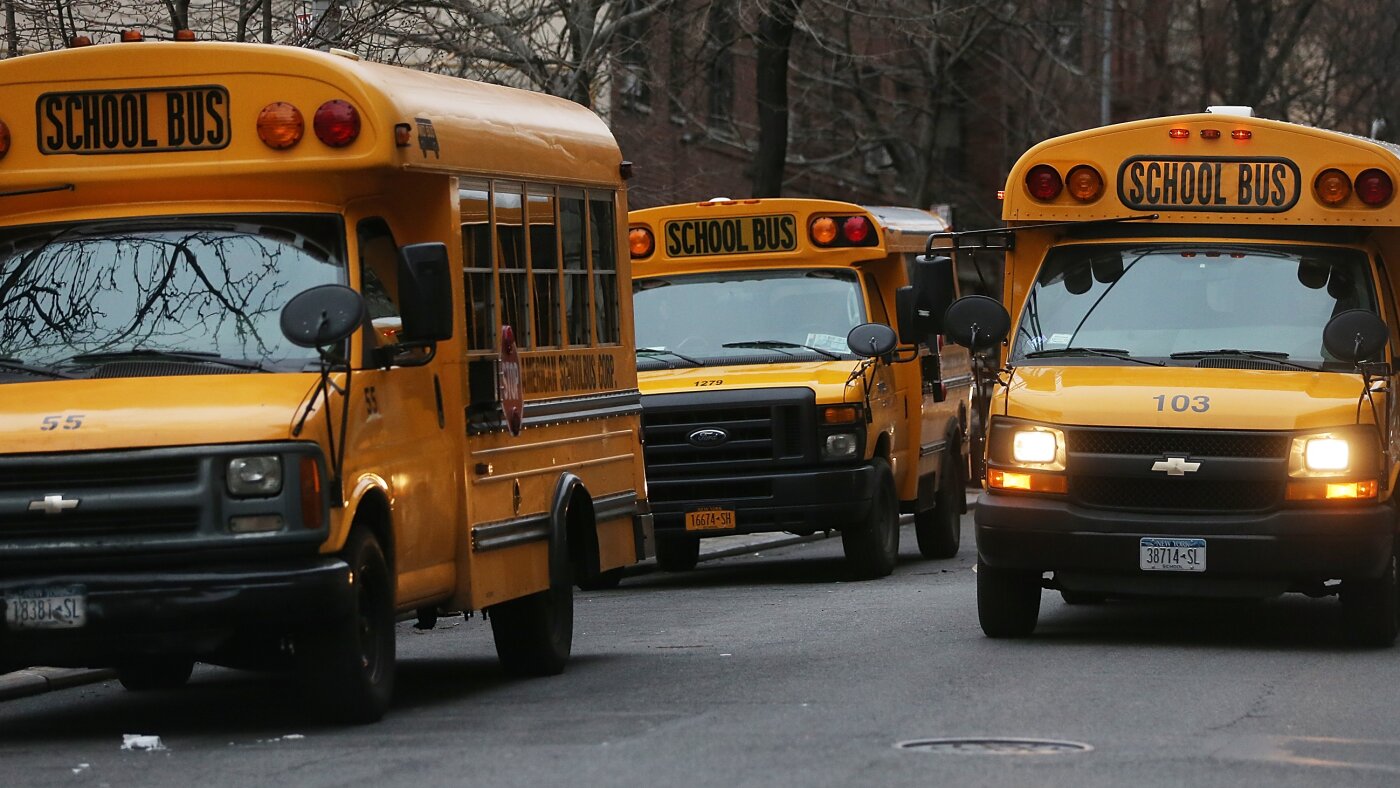
The commencement of the school year brings a fresh set of challenges for school districts nationwide, primarily due to the soaring prices of diesel fuel. In a scenario where approximately 90% of the United States’ 480,000 school buses operate on diesel, the financial implications are significant.
According to recent data from AAA, the national average cost of diesel has surged to $5.62 per gallon, a substantial increase from $3.70 per gallon a year ago. This price hike coincides with the ongoing conflict involving Iran, which has contributed to rising fuel costs.
A survey conducted in May by organizations representing school superintendents and bus companies revealed that over half of the districts surveyed are already exceeding their budgets due to diesel expenses. The Yakima School District in Washington, represented by Jacob Kuper, assistant superintendent of finance and operations, forecasts an increase of 38% in diesel costs, equivalent to $130,000, for the 2026-2027 school year.
To mitigate these costs, Yakima has implemented strategic changes, such as consolidating bus routes, staggering bell times, and reducing the number of trips. These measures are expected to save the district between $400,000 and $500,000, despite potential challenges for bus drivers who face longer routes and extended working hours.
Similar strategies are being adopted by school districts across the country. A May survey highlighted that 40% of districts are consolidating bus routes, while 20% are limiting non-essential trips like field trips. Some districts are even considering transitioning to non-diesel vehicles.
Elleka Yost, director of advocacy and research at the Association of School Business Officials International, noted that many districts are resorting to using reserves or rainy-day funds as a temporary solution. However, she warns that this approach might compromise the districts’ ability to handle future financial uncertainties.
In Boise, Idaho, the local school district is reducing the number of bus stops to curb costs. The district also introduced eight electric buses, funded by a federal Clean School Bus Program award, in hopes of long-term fuel savings. Despite these efforts, the district faces a $600,000 increase in transportation costs this year.
Meanwhile, in Monterey, California, the district’s transportation director, Tom Thorpe, is closely monitoring both diesel and gasoline prices, as state and local taxes contribute to higher gas prices in the area. Although Monterey has shifted most of its buses from diesel to gasoline, the local gas prices remain higher than the national average.
As the school year progresses, districts across the country will continue to scrutinize their budgets, identifying areas where they can cut costs to accommodate rising fuel expenses. In Washington, Kuper remains committed to maintaining bus operations within budgetary constraints, ensuring that classroom resources remain unaffected.
Stay informed with our weekly Education newsletter.




Comments are closed.