
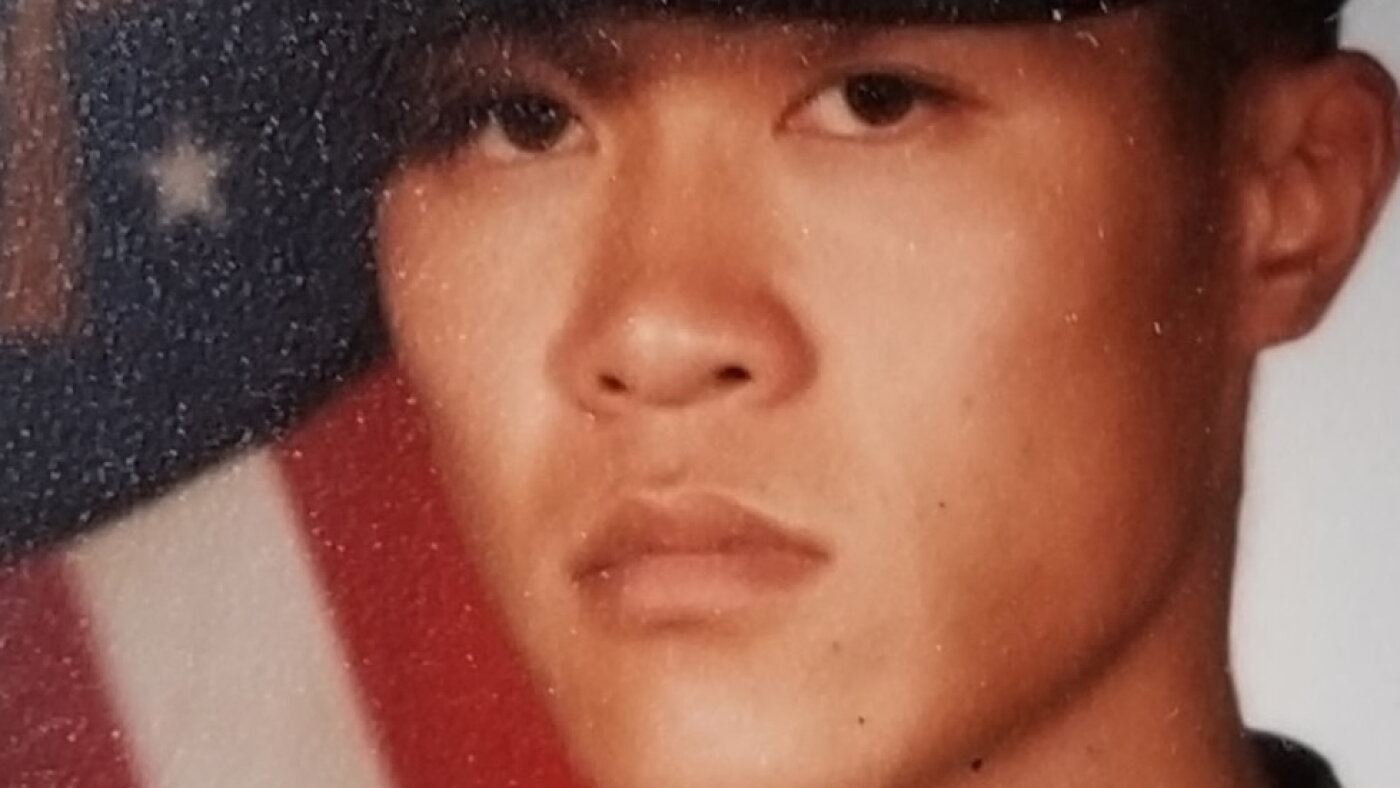
Army Veteran Sae Joon Park Sees Hope for Return to U.S. after Pardon
In a significant development, Sae Joon Park, a veteran who served with distinction, has been pardoned, offering a potential path back to the United States. Park, who was compelled to leave the country in 2025, has been living in South Korea despite spending most of his life in the U.S.
Governor Kathy Hochul of New York granted clemency to Park, erasing his past convictions for bail jumping and drug possession. Park was among six individuals to receive clemency, with Hochul emphasizing the individuals’ commitment to positive change and community betterment. In her official statement, she expressed, “They earned their second chance through rehabilitation and can now establish their futures once again.”
Expressing his gratitude, Park shared his ongoing hope to return to the U.S. “I know there is still work ahead, but today I have hope that I may finally be able to come home,” he stated. He also thanked his legal team and supporters for their unwavering advocacy.
Park’s situation gained national attention, particularly during a congressional hearing in December. Rep. Seth Magaziner, D-Rhode Island, questioned former Homeland Security Secretary Kristi Noem about Park’s case, urging her to reconsider his situation. Noem assured, “I will absolutely look at his case.”
Having moved to the U.S. from South Korea at age 7, Park became a legal permanent resident and later enlisted in the U.S. Army. He served in Operation Just Cause in Panama, where he sustained a gunshot wound. Following his honorable discharge and receipt of a Purple Heart, Park faced personal challenges, including undiagnosed PTSD and subsequent legal issues related to drug addiction.
After serving a prison sentence and achieving sobriety, Park rebuilt his life in Hawaii. However, in June 2025, immigration authorities issued him an ultimatum, prompting his relocation to South Korea. This decision led to a painful separation from his family, including his elderly mother, which Park described poignantly to NPR last year.
While the pardon does not guarantee Park’s return to the U.S., it allows his legal team to request a review of his removal order. Danicole Ramos, an attorney with the University of Hawaii’s refugee and immigration law clinic, noted, “This pardon represents a tremendous step forward and gives Mr. Park and his family renewed hope that, after more than a year of separation, he may one day be able to return to the country he has called home since childhood and for which he put his life on the line.”
As the legal process continues, Park remains hopeful for a reunion with his family and a return to the life he once knew.
This article was originally written by www.npr.org




Comments are closed.