School Board Members Face Increasing Threats Amid Growing Tensions
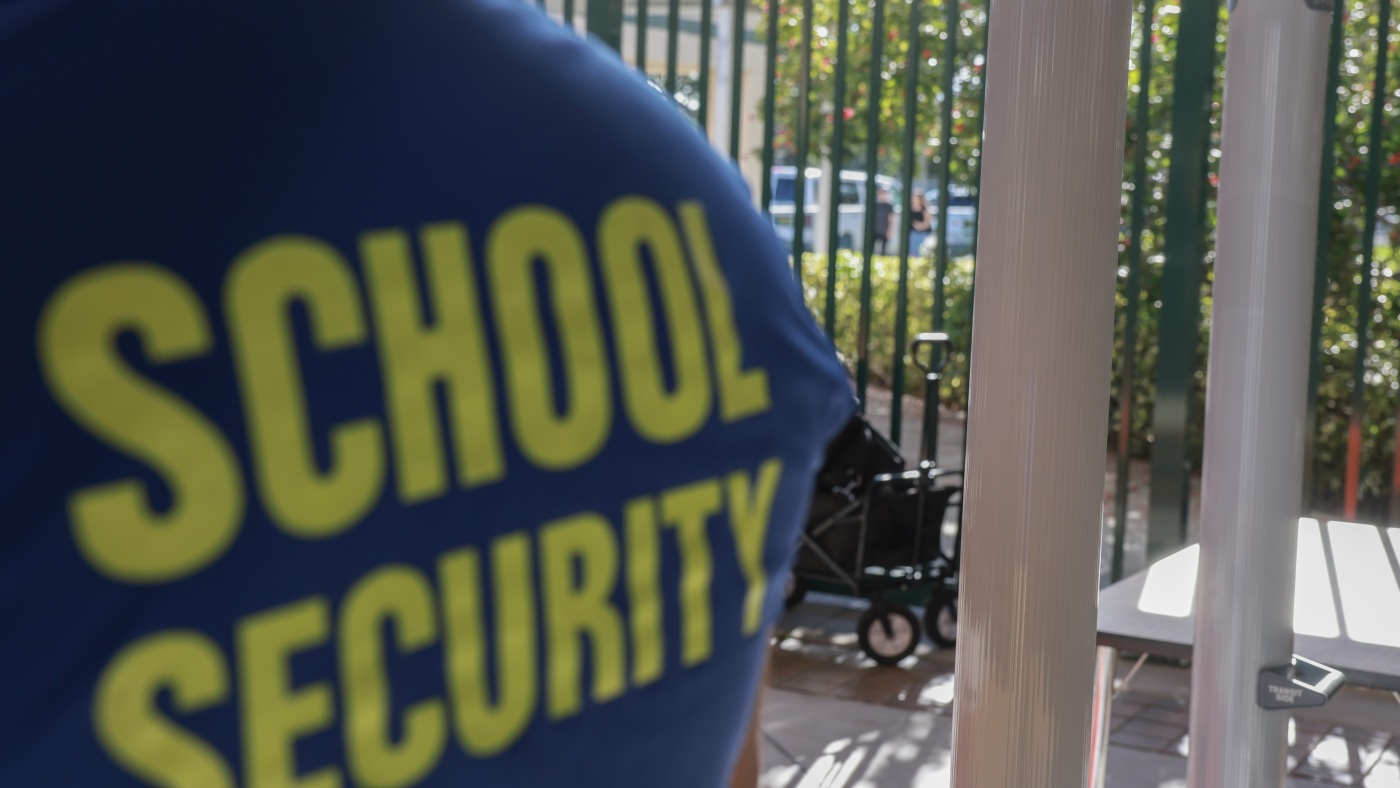
School board members across the United States are encountering a dramatic rise in harassment and threats, reflecting broader societal tensions. In Florida’s Broward County, the defiance of a state mandate against school mask requirements ignited a wave of vitriolic responses from parents, illustrating the heightened emotional atmosphere surrounding educational policies.
Sarah Leonardi’s journey as a member of the Broward County School Board has been fraught with challenges since her election in 2019. After taking office during the pandemic, she faced backlash when the board resisted Gov. Ron DeSantis’ ban on mask mandates—a decision that provoked threats and hostile communications from some parents. As COVID-19 cases waned, another controversy emerged when Leonardi accompanied students on a field trip to a gay-owned bar and grill, sparking further threats after conservative outlets picked up the story.
Leonardi recounted some of the alarming threats she received, including one suggesting violence with a firearm and another proposing she be sold as a “sex slave to ISIS.” These disturbing messages highlight the personal risks faced by school board members involved in contentious issues.
Harassment and Threats on the Rise
According to a comprehensive study by Princeton University’s Bridging Divides Initiative, threats against school officials have surged by 170% from late 2022 to early 2023. This research, which included interviews with Leonardi and 38 other officials, as well as surveys of over 820 school board members, suggests that the hostility is not limited to one side of the political spectrum. Roudabeh Kishi, the project’s chief research officer, emphasizes that this is not a partisan issue, as officials across the political divide report similar experiences.
The study links some of these threats to broader national debates over diversity, equity, inclusion, and LGBTQ+ policies. The anger and distrust that surfaced during the pandemic appear to have set the stage for ongoing cultural clashes in school districts.
A Second “Civil War” in Gettysburg
In Gettysburg, Pennsylvania, school board member Al Moyer describes how disputes over masking mandates and a transitioning tennis coach have polarized the community, likening the situation to a “second Civil War.” The intensity of these local conflicts reflects the broader national climate of division and hostility.
Meanwhile, Russell Devorsky, a former school board member in Texas, describes the challenges of countering misinformation on social media. False narratives, such as unfounded claims of schools accommodating students identifying as animals, contribute to public confusion and exacerbate tensions.
“Like Pushing a Wet Rope Up a Hill”
Even routine matters, such as the construction of school facilities, become targets of misinformation. Devorsky notes the exhaustion of correcting misconceptions among individuals who rely on social media for information. He likens the effort to “pushing a wet rope up a hill,” underscoring the difficulty of combating misinformation.
Despite the challenges, Leonardi remains committed to her role on the school board. She acknowledges the risks but believes in the importance of her work, stating, “Ultimately, I decided to move forward and run again.” Her dedication reflects the resilience of many school board members who continue to serve their communities amid rising threats.