Tech Giants Advise Visa Holders to Stay in the U.S. Amid Extended Visa Delays
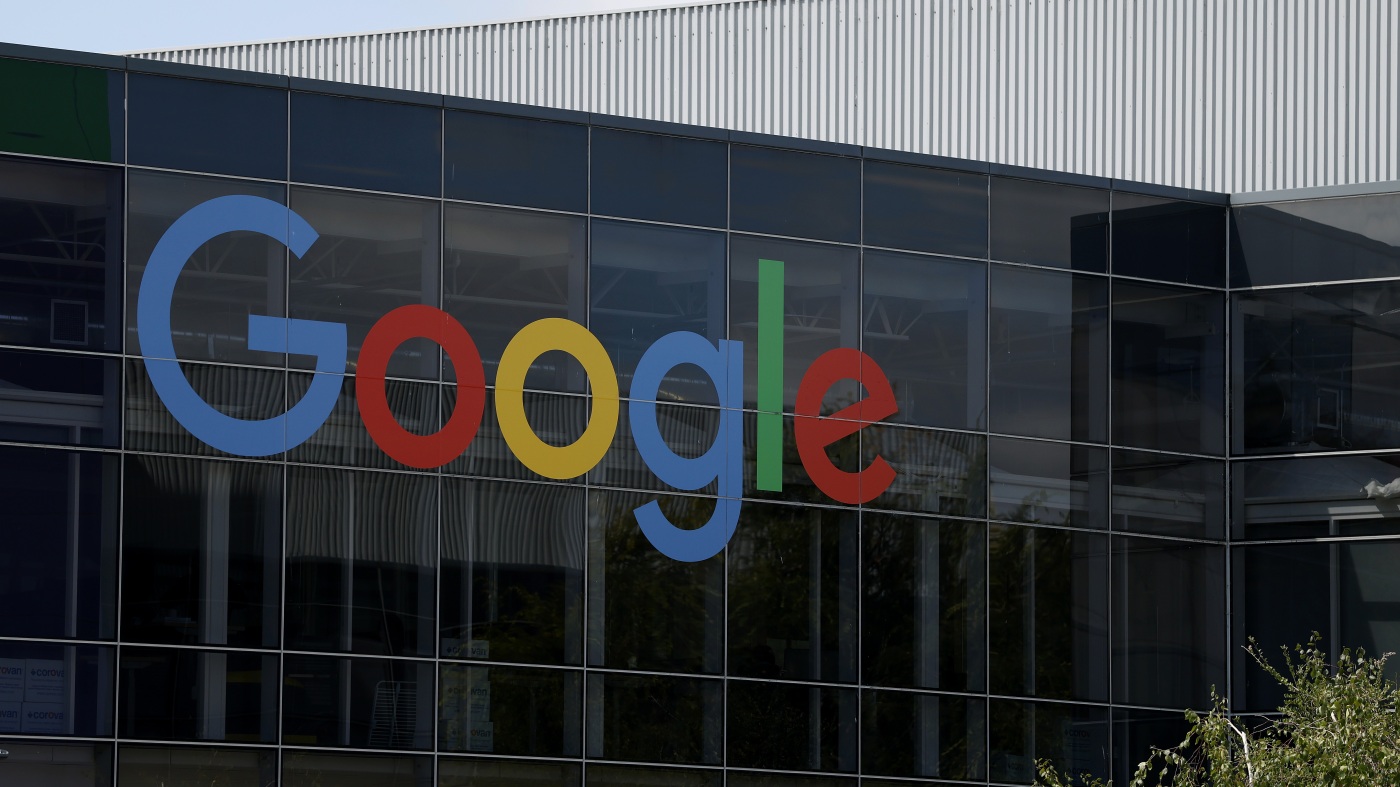
Amid escalating scrutiny of visa applications, Apple and Google have advised some of their U.S.-based employees on visas to refrain from international travel. This recommendation comes as the Trump administration enforces stricter vetting procedures, resulting in substantial delays in visa processing, according to internal communications reviewed by NPR.
Consulates and embassies in the U.S. are experiencing significant wait times, sometimes lasting several months, for visa appointments. This follows the Department of Homeland Security’s introduction of new rules mandating the screening of up to five years of social media history for travelers. These measures have been met with criticism from free speech advocates, who argue they infringe on privacy rights. For more details, read about the social media screening changes.
Google and Apple, which employ a combined total of over 300,000 individuals and depend heavily on skilled foreign workers, have responded to the increased vetting and reports of delays by advising certain employees to avoid leaving the U.S. if possible.
Berry Appleman & Leiden, the law firm associated with Google, cautioned employees, stating, “We recommend avoiding international travel at this time as you risk an extended stay outside of the U.S.”
Similarly, Fragomen, a law firm working with Apple, issued guidance: “Given the recent updates and the possibility of unpredictable, extended delays when returning to the U.S., we strongly recommend that employees without a valid H-1B visa stamp avoid international travel for now.” The memo also advised that employees unable to postpone travel should consult with Apple Immigration and Fragomen.
Neither Apple nor Google provided comments on these advisories, initially reported by Business Insider.
The recent developments highlight the impact of the Trump administration’s stringent immigration policies on the foreign-born workforce in the U.S. Earlier this year, the government announced a $100,000 fee for all new H-1B visas, a move affecting tech companies that rely on these visas to hire skilled overseas workers.
H-1B visas, typically valid for three years, require renewal through an embassy or consulate visit in the applicant’s home country. However, the administration’s policies have led to reports of routine renewal trips turning into months-long waits.
In a related development, The Washington Post noted that hundreds of visa holders traveling to India for H-1B renewals faced postponed appointments. The State Department cited the need to ensure no applicants “pose a threat to U.S. national security or public safety.” More information can be found in the Washington Post article.
At Google, the Alphabet Workers’ Union is advocating for stronger protections for H-1B visa holders. These workers face increased vulnerability if layoffs occur, as job loss could jeopardize their visa status. Parul Koul, a Google software engineer and union leader, emphasized the growing urgency for support, noting the intensified scrutiny of the H1B program under the Trump administration.