A Sweet Shift: Coca-Cola to Launch Cane Sugar Version in U.S.
In a move that could delight many Coca-Cola fans, the beverage giant is set to introduce a new version of its classic soda using U.S. cane sugar. This development offers an alternative to the high-fructose corn syrup variant, aligning with evolving consumer preferences.

Coca-Cola Chairman and CEO James Quincey says the company will “expand our trademark Coca-Cola product range with U.S. cane sugar” to give Coke fans a new option. President Trump mentioned the plan last week, saying Coca-Cola had “agreed” to use real cane sugar, similar to its recipe for Mexican Coke.
Brandon Bell/Getty Images
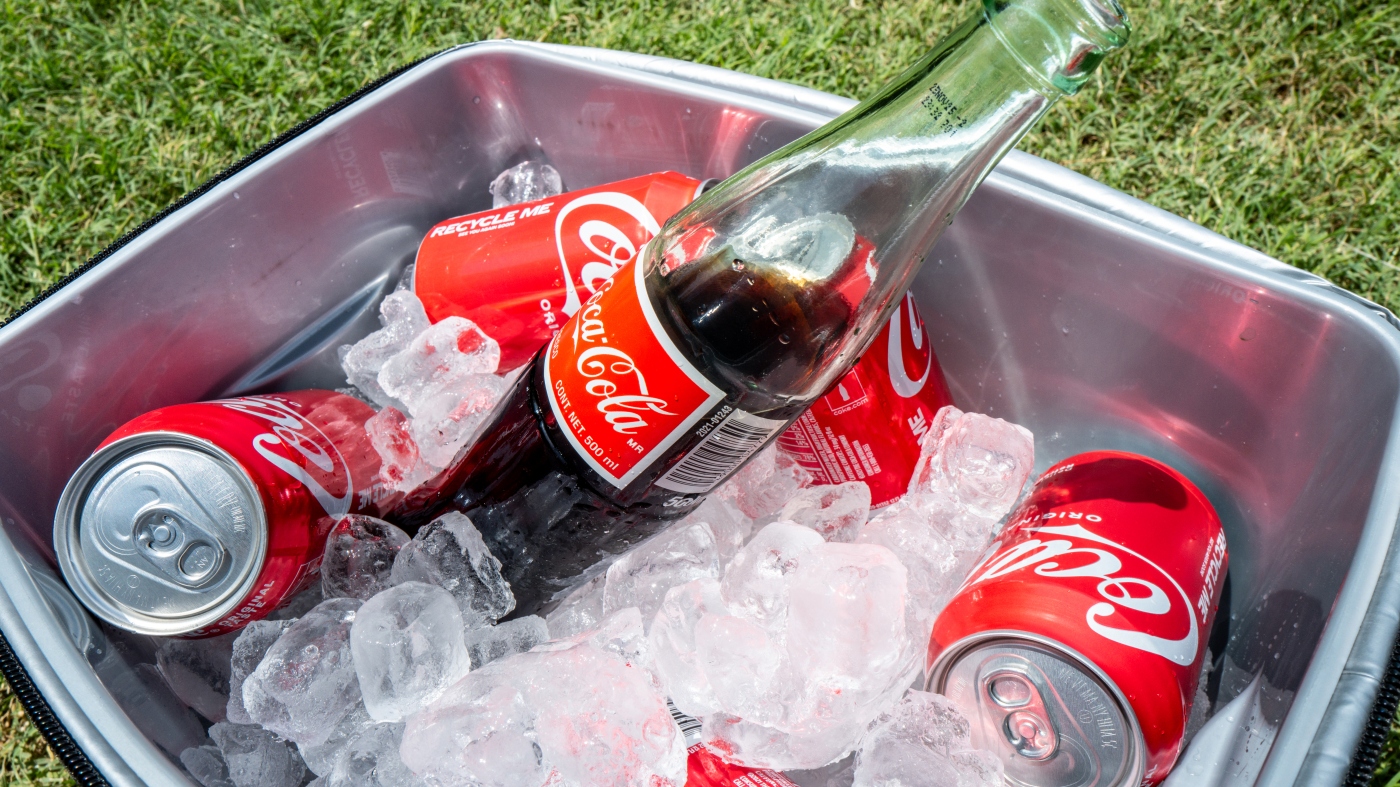
For those seeking to avoid corn syrup, the current go-to option has been Mexican Coke, which uses cane sugar. However, U.S. customers will soon have a domestic alternative later this year.
“We’re going to be bringing a Coke sweetened with U.S. cane sugar into the market this fall,” Coca-Cola Chairman and CEO James Quincey announced during a conference call with analysts.
The introduction of the cane sugar version was formally unveiled in the company’s quarterly earnings report, highlighting it as an addition to the existing product lineup.
Quincey emphasized that this new product will “complement” the existing Coca-Cola offerings, serving as an option rather than replacing the original formula.
Presidential Influence and Economic Considerations
The decision by Coca-Cola follows a recent statement by President Trump praising the company for considering cane sugar over high-fructose corn syrup in its iconic drink.
“I’d like to thank all of those in authority at Coca-Cola. This will be a very good move by them — You’ll see. It’s just better!” Trump remarked, expressing his support for the change.
While Trump is known for his affinity for Diet Coke, mainly sweetened with aspartame, his administration’s trade policies align with promoting domestic sugar use.
The use of U.S.-sourced cane sugar reflects Trump’s economic stance, given the high tariffs imposed on foreign nations. Domestic sugar benefits from significant trade protections, making it pricier compared to global rates.
Exploring Consumer Preferences
While Mexican Coke has been a popular choice for its cane sugar content, Quincey pointed out that Coca-Cola already incorporates the sweetener in various products like lemonade, teas, and some Vitamin Water drinks.
“Actually, we use cane sugar in a number of our other brands in the U.S. portfolio,” Quincey stated, emphasizing the company’s willingness to adapt to consumer tastes.
The Cane Sugar Debate
Despite Trump’s enthusiasm, Health and Human Services Secretary Robert F. Kennedy Jr. has been vocal about the health implications of sugar, even as he supports the use of cane sugar in certain contexts.
“MAHA is winning,” Kennedy tweeted, commending restaurants that offer Coca-Cola with real cane sugar. However, he has also warned about sugar’s health risks, calling it a “poison” in the American diet.
Both cane sugar and high-fructose corn syrup have been scrutinized for their health effects. According to David M. Klurfeld, an adjunct professor at Indiana University, “There is overwhelming evidence that cane or beet sugar have almost no difference from HFCS in composition and no difference in any health effects.”
Klurfeld notes that both sweeteners share similar glucose and fructose ratios, and when mixed with acidic beverages, their chemical profiles converge even further.
“The data linking HFCS with obesity or any adverse health effect are observational,” Klurfeld explains, cautioning against jumping to conclusions without controlled studies.
NPR’s Scott Neuman contributed to this report.