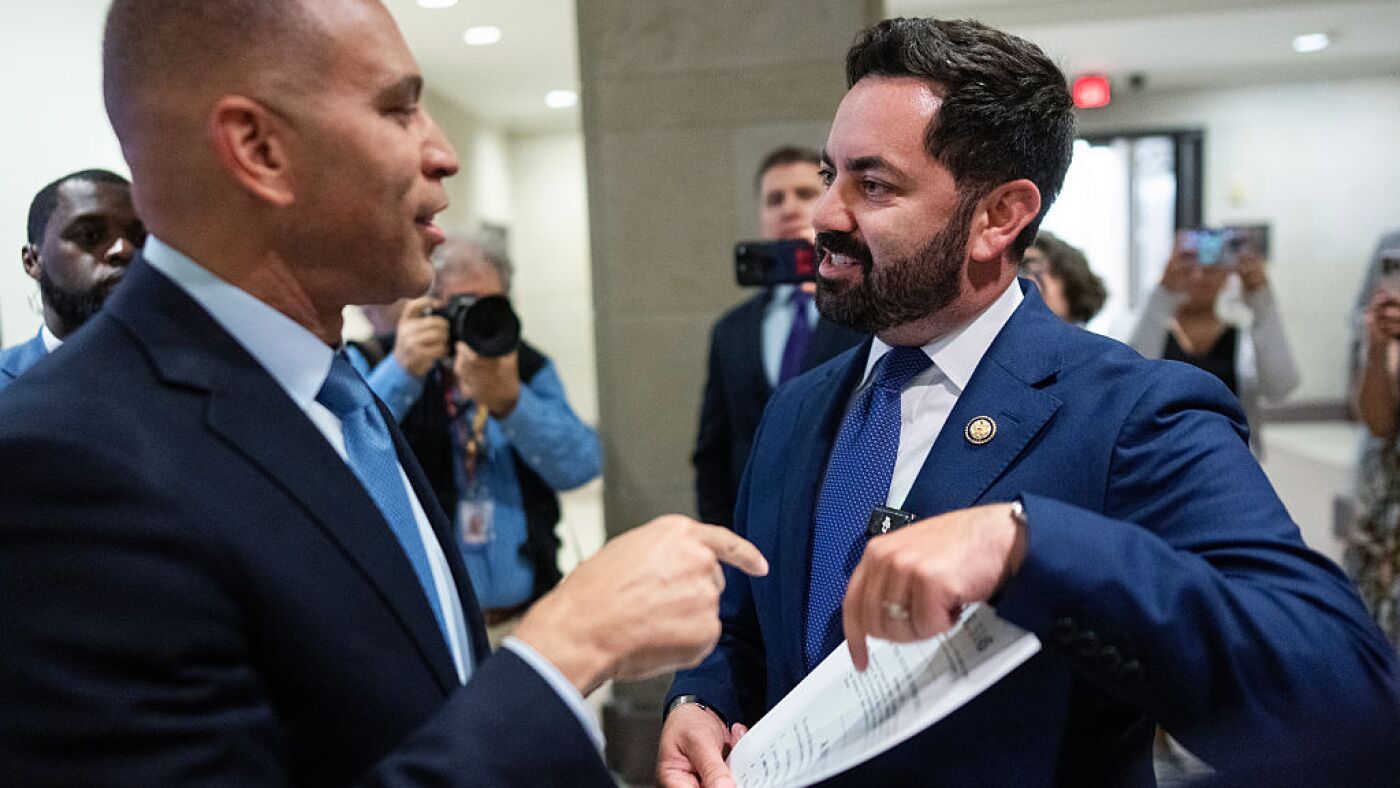
ACA Tax Credit Debate Intensifies Amid Government Shutdown
During a time of government shutdown, Capitol Hill is abuzz with debate over the extension of Affordable Care Act (ACA) tax credits. While Democrats emphasize the urgency of extending these credits, Republicans argue there’s ample opportunity to address the issue.
Although the tax credits that make ACA health care premiums affordable don’t expire until December, Democrats are pushing for their extension before the open enrollment period begins on November 1. This extension has become a pivotal factor in discussions to reopen the government.
These discussions transcend political rhetoric as they affect real marketplaces where approximately 24 million Americans purchase health insurance. The government’s role in subsidizing monthly premiums is significant for many families.
Public Opinion Strongly Favors Subsidies
Recent polling indicates strong public support for extending ACA tax credits. A survey by KFF found that over 78% of the public, including significant numbers of Republicans and independents, support extending these credits beyond 2025. Ashley Kirzinger, KFF’s director of survey methodology, notes that this sentiment spans across various political affiliations.
Further, a July survey conducted by Republican pollsters Tony Fabrizio and Bob Ward revealed that 72% of voters across political parties favor the policy’s extension. Their findings underscore that voters are concerned about the potential loss of health insurance coverage.
Urgency Heightened by Imminent Enrollment
With open enrollment slated to begin on November 1, the call for action becomes more pressing. North Dakota’s insurance commissioner, Jon Godfread, urges lawmakers to act swiftly to ensure the continuation of enhanced subsidies. As president of the National Association of Insurance Commissioners, Godfread emphasizes the unanimous support among state insurance regulators for these subsidies.
Should Congress extend the subsidies promptly, insurance marketplaces could adjust rates in time for open enrollment. However, failing to meet this deadline could result in consumers facing higher premiums, potentially deterring them from purchasing insurance.
Projections Indicate Sharp Premium Increases
Analyses by KFF reveal that if the enhanced tax credits expire, premiums are expected to double for many consumers in 2026. Cynthia Cox, director of the Program on the ACA at KFF, warns of a 114% increase in premium payments. Such steep rates may lead individuals to forego insurance altogether. The Congressional Budget Office estimates that this could leave 4 million people uninsured in the coming years.
Majority of Enrollees Reside in Trump-Won States
The demographic relying on HealthCare.gov primarily resides in states won by President Trump in 2024. Many enrollees, including gig workers and small business employees, depend on these markets due to a lack of employer-provided coverage. Notably, enrollment has surged in Southern states like Texas and Georgia, with figures tripling over the past five years.
Fiscal Implications for the Government
The financial burden of these subsidies is substantial, with the Congressional Budget Office estimating a cost of $350 billion over the next decade if the credits are made permanent. Conservative factions oppose the continuation of these subsidies, arguing they were intended as temporary COVID-19 relief and could escalate health care costs.
Despite this, some Republicans, including Rep. Marjorie Taylor Greene and Sen. Josh Hawley, have expressed support for extending the credits or devising alternative solutions to prevent drastic rate hikes.
Insurance commissioner Godfread acknowledges the broader debate on health care costs but stresses the immediate need for action. “Access to consumers is crucial, and that’s what these subsidies have helped provide,” he asserts.